










Ghana has outlined a €323 million financing package for the Northern Ghana Water and Sanitation Project, which is expected to address persistent water shortages in Tamale, Yendi and Damongo and improve sanitation in the three communities.
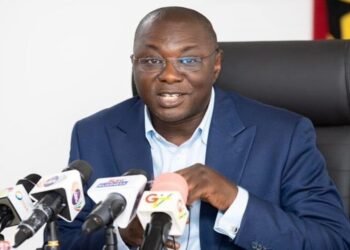
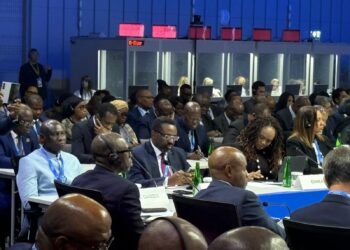
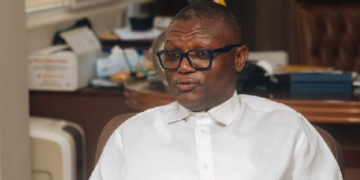
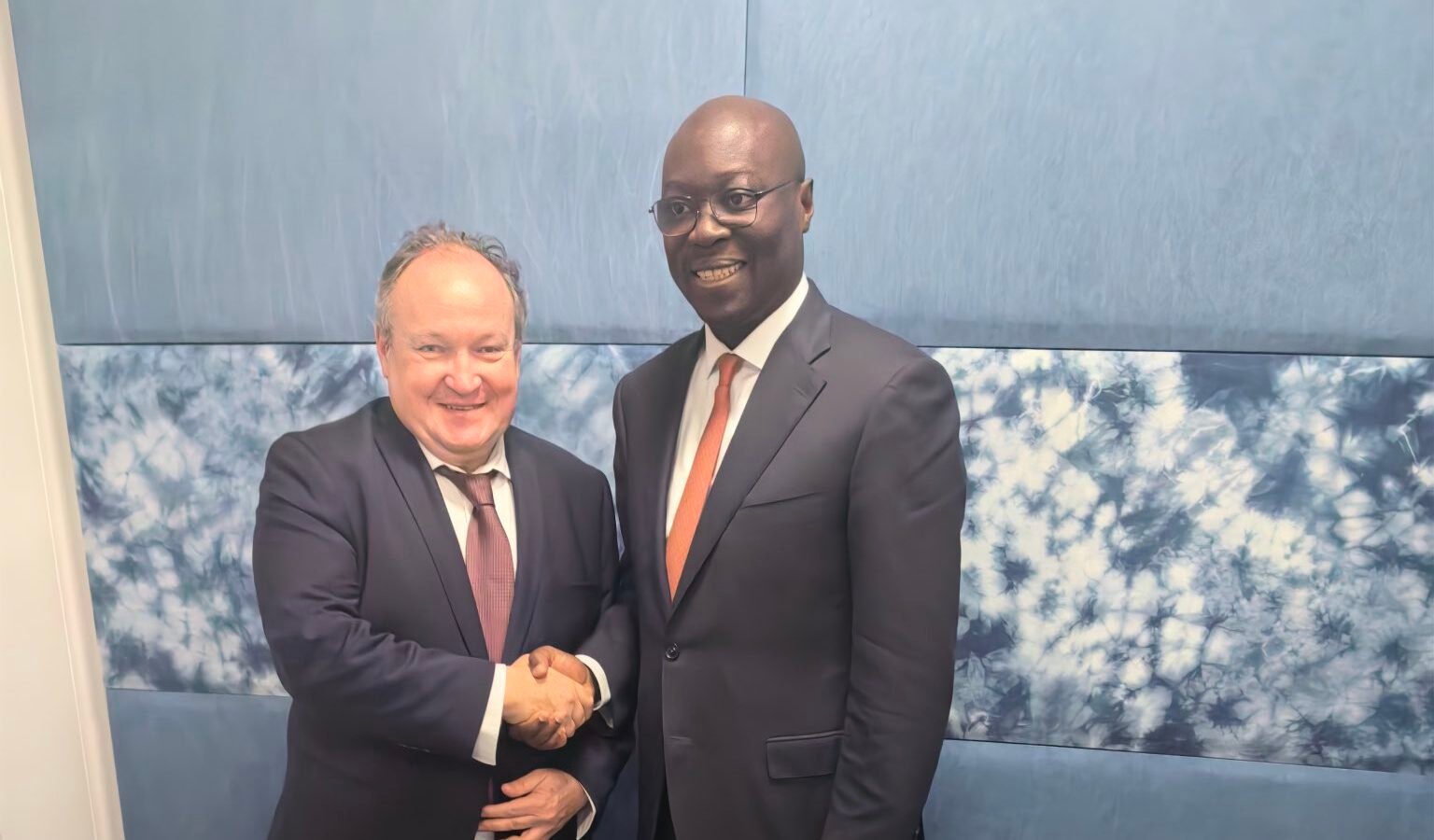
Finance Minister Dr. Cassiel Ato Forson announced the development following a meeting with European Investment Bank (EIB) Vice-President Ambroise Fayolle to discuss the project’s financing arrangements.
In a statement published on X, Dr. Forson said:
“I have just concluded a productive meeting with European Investment Bank Vice-President Ambroise Fayolle on the financing package for the Northern Ghana Water and Sanitation Project.”
The minister also outlined the project’s intended impact, stating:
“The project will address persistent water shortages in Tamale, Yendi and Damongo and improve sanitation across these communities.”
The financing package comprises a €68 million grant from the European Commission, a €30 million grant from Invest International, a Dutch government initiative, and a €225 million highly concessional facility from the European Investment Bank.
The three components bring the total announced financing package to €323 million.
The European Investment Bank’s €225 million facility represents the largest component of the proposed financing package. The remaining €98 million will come from grants provided by the European Commission and Invest International.
The arrangement combines grant funding with highly concessional financing to support the Northern Ghana Water and Sanitation Project.
The minister’s statement identifies water shortages and sanitation as the central issues the project is expected to address. However, it does not provide a detailed breakdown of the funding allocation, the expected construction schedule or the project’s completion date.
Tamale, Yendi and Damongo are the three communities specifically identified in Dr. Forson’s announcement.
The proposed intervention is intended to improve water availability and sanitation services, although the precise infrastructure to be constructed and the number of residents expected to benefit were not disclosed in the statement.
The announcement also highlights the involvement of three international financing partners: the European Commission, Invest International and the European Investment Bank.
Further details on the implementation arrangements will be important in determining when the financing will translate into infrastructure and improved services for residents.
For now, the minister’s announcement establishes the composition of the €323 million financing package and the project’s stated objectives of addressing persistent water shortages and improving sanitation in northern Ghana.