

















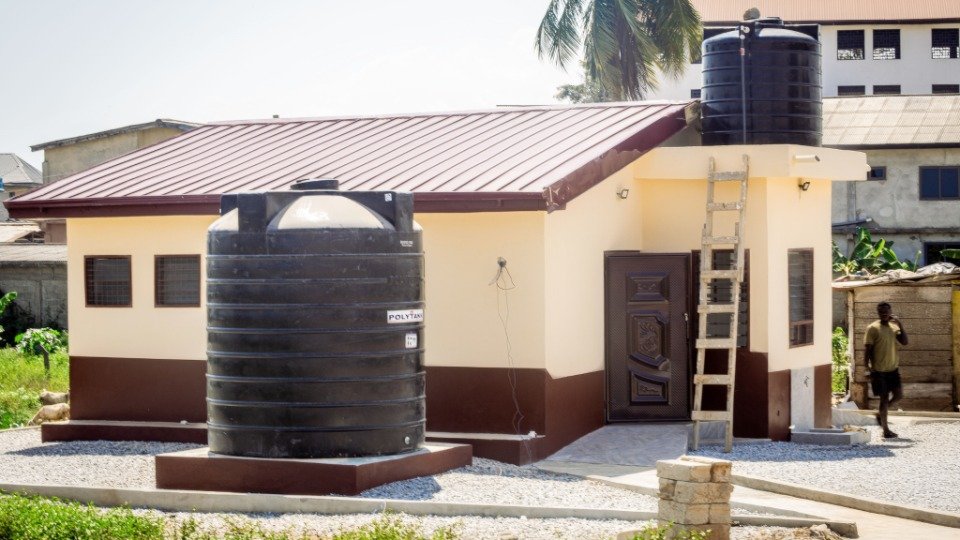
Only 59.3 percent of households in Ghana have access to improved toilet facilities, highlighting persistent sanitation challenges across the country.
The figure was disclosed by the Ministry of Local Government, Chieftaincy and Religious Affairs in a statement marking the 2026 African Day for Decentralisation and Local Development.
According to the Ministry, although Ghana has made progress in improving sanitation, significant gaps remain in access to improved household toilets, effective wastewater management and sustainable solid waste disposal.
The Ministry said the situation requires stronger local institutions and increased investment in sanitation infrastructure and services.
“Addressing these challenges requires stronger local institutions, enhanced community participation and increased investments in sanitation infrastructure and services across the country.”
The Ministry said Metropolitan, Municipal and District Assemblies (MMDAs) have an important role to play in addressing sanitation challenges because of their responsibility for planning and delivering essential services at the local level.
It also stressed the need for stronger collaboration among local authorities, water and sanitation agencies, development partners, civil society organisations, traditional authorities and religious institutions to extend services to underserved communities.
The Ministry said empowering local governments remains critical to building resilient, inclusive and sustainable communities and improving sanitation outcomes across Ghana.