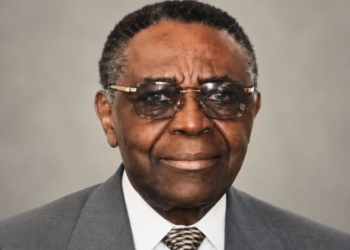























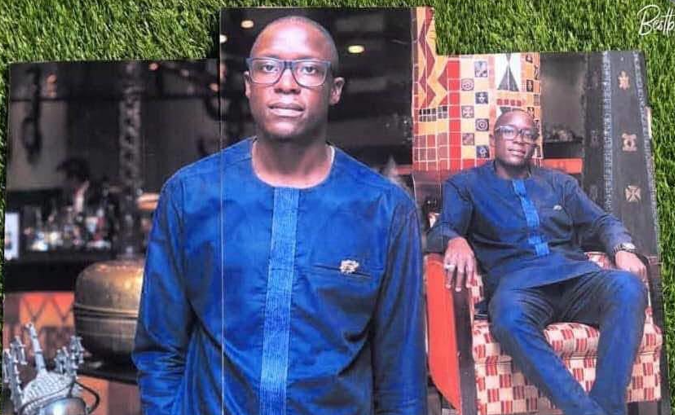
The death of journalist Barimaba Nana Arkoh Frempong-Oware on August 6, 2026, has brought to four the number of journalists in Ghana’s Eastern Region who have reportedly died after battling illnesses within the past three months.
The latest death has renewed concerns among media practitioners about the difficult working and living conditions confronting journalists, particularly reporters and stringers working outside the major media centres.
The first of the four journalists to die was Emmanuel Adjetey of Oyerepa TV, who passed away on May 11, 2026, after a short illness.
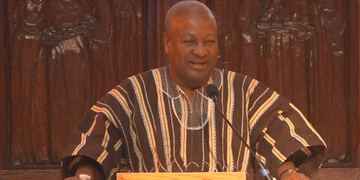
His death occurred shortly after journalists in the region had covered President John Dramani Mahama’s “Thank You Tour” of the Eastern Region.
On July 15, 2026, Benjamin Attua Owusu, popularly known as Nana Bino, who served as the Eastern Regional Correspondent for Radio Gold, also died after battling an undisclosed illness for some time.
Barely two days later, on July 17, the region was hit by another loss when Charles Ofosu Gyeabour Barima, affectionately known as DJ Sly Ziggy, a broadcast journalist with RITE 90.1 FM in Somanya, died.
The latest death of Nana Arkoh Frempong-Oware has deepened the grief within the region’s media community.
Beyond the successive deaths, journalists in the region are raising concerns about what they describe as widespread economic hardship within the profession.
Many reporters and stringers working for media organisations based in Accra and Kumasi reportedly do not receive regular salaries or monthly allowances.
Instead, some depend largely on per diems, popularly known as “soli”, received from event organisers to meet their daily needs.
Media practitioners say the situation becomes particularly difficult when journalists fall ill, with some unable to afford hospital treatment or prescribed medication.
In some instances, colleagues reportedly contribute small amounts of money, sometimes as little as GHS20 or GHS40 each, to support a sick journalist with medical expenses.
Only a small number of journalists in the region are considered to be working under relatively stable financial conditions, highlighting what practitioners describe as a broader welfare crisis within the media industry.
The concerns mirror issues raised by Abdul Hayi Moomen, a former journalist with the Ghana Broadcasting Corporation (GBC), in his book, Newsroom Poverty: The Silent Crisis in Ghanaian Journalism.
Mr Moomen used the book to highlight the difficult conditions under which many media practitioners operate and called for urgent reforms to improve their welfare and working conditions.
According to him, despite the critical role journalists play in informing the public, holding authorities accountable and giving a voice to vulnerable communities, many media practitioners continue to contend with low remuneration, job insecurity and inadequate resources.
He also criticised the widespread practice of journalists receiving “soli” or transportation allowances from event organisers, arguing that the practice could undermine the dignity and perceived independence of the profession.
“The real problem is not merely the envelope. The deeper problem is the system that makes the envelope necessary,” Mr Moomen said during the launch of his book.
He called on media owners, policymakers and professional bodies to prioritise fair remuneration, secure employment contracts, social protection and safer working conditions for journalists.
The successive deaths in the Eastern Region have therefore not only left colleagues mourning but have also reignited calls for greater attention to the welfare, health and economic security of journalists, especially those working under precarious conditions.
For many practitioners, the concern is that journalism cannot effectively fulfil its role as a pillar of democracy when those responsible for gathering and reporting the news struggle to meet their own basic needs.