






















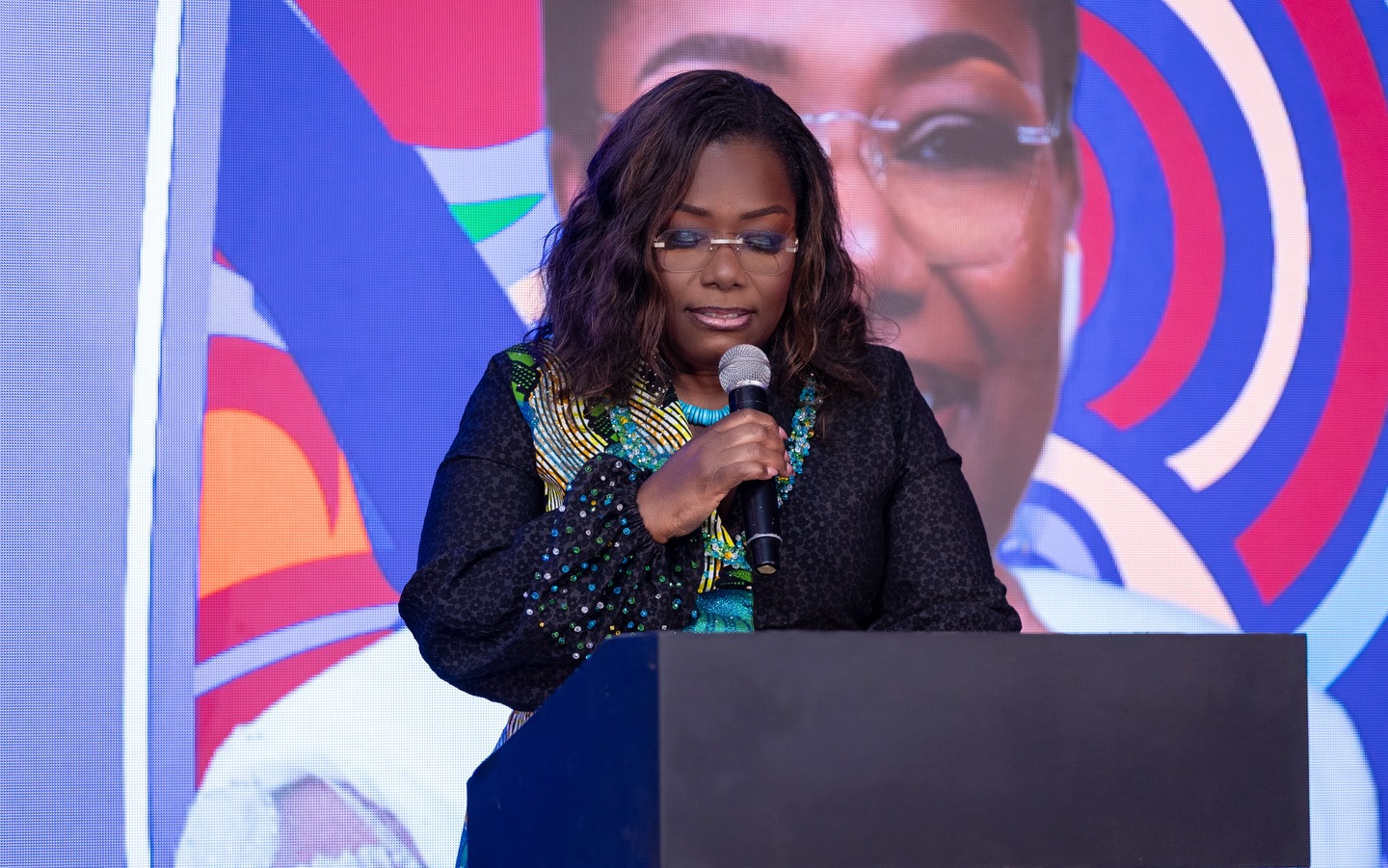
Deputy Chief Staff, Nana Oye Bampoe Addo has highlighted the need to expand financial access and support systems for women to drive Ghana’s economic growth.
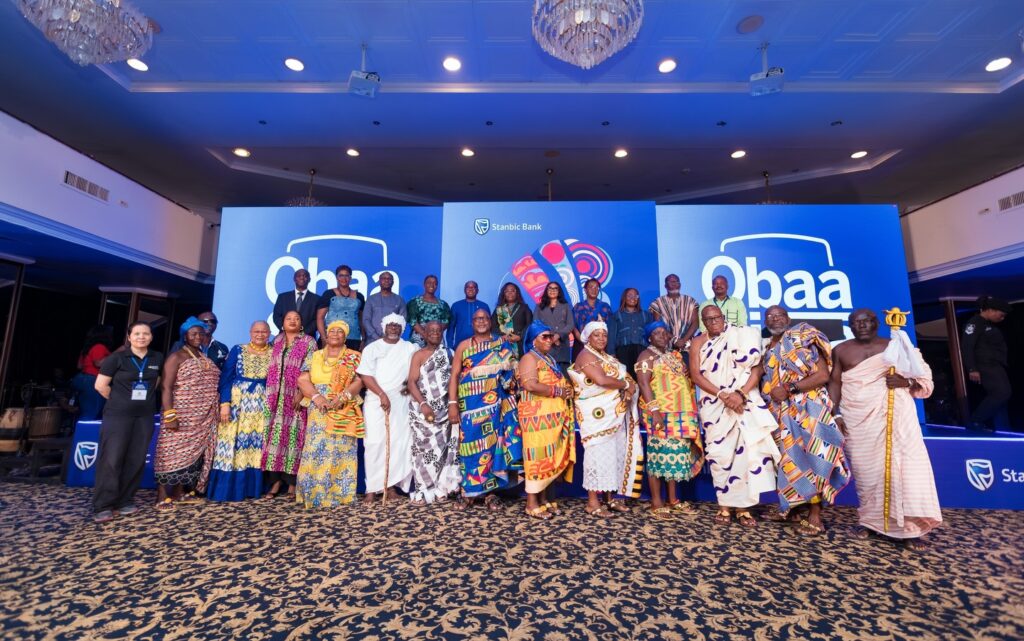
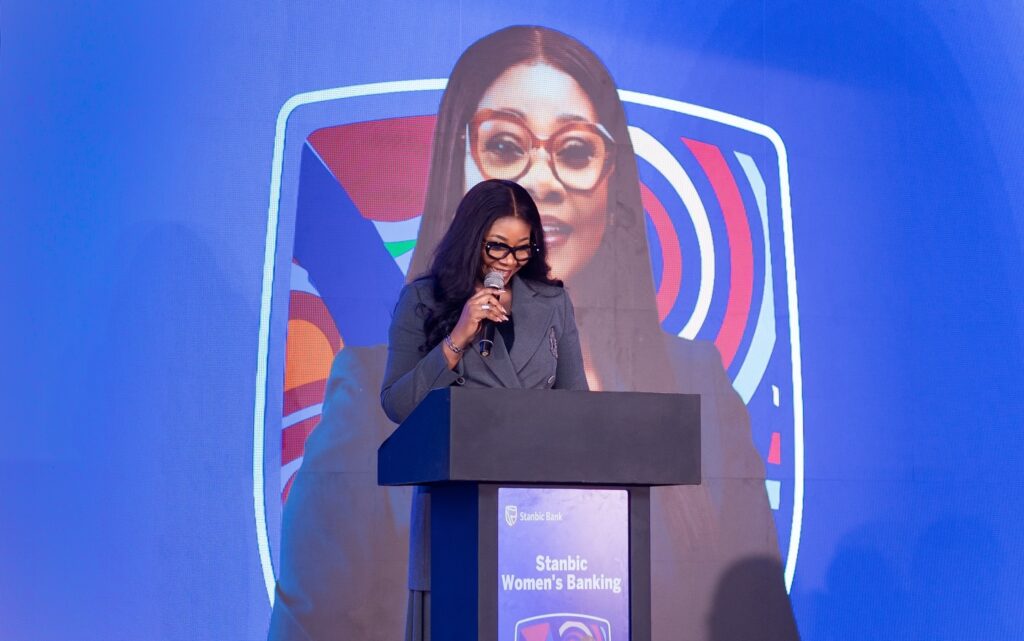
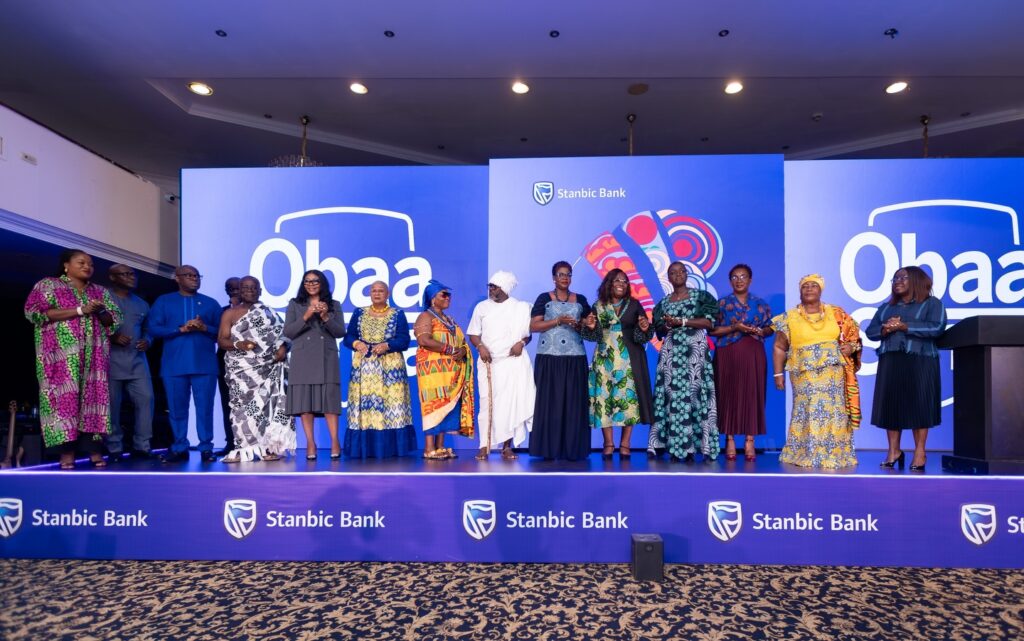
Speaking at the launch of “Obaa Sima,” a new initiative by Stanbic Bank Ghana, the Deputy Chief of Staff said the programme is designed to empower women entrepreneurs and address barriers limiting their participation in the economy.
“I joined Stanbic Bank to launch ‘Obaa Sima,’ a banking proposition dedicated to unlocking the strength of Ghanaian women,” she said.
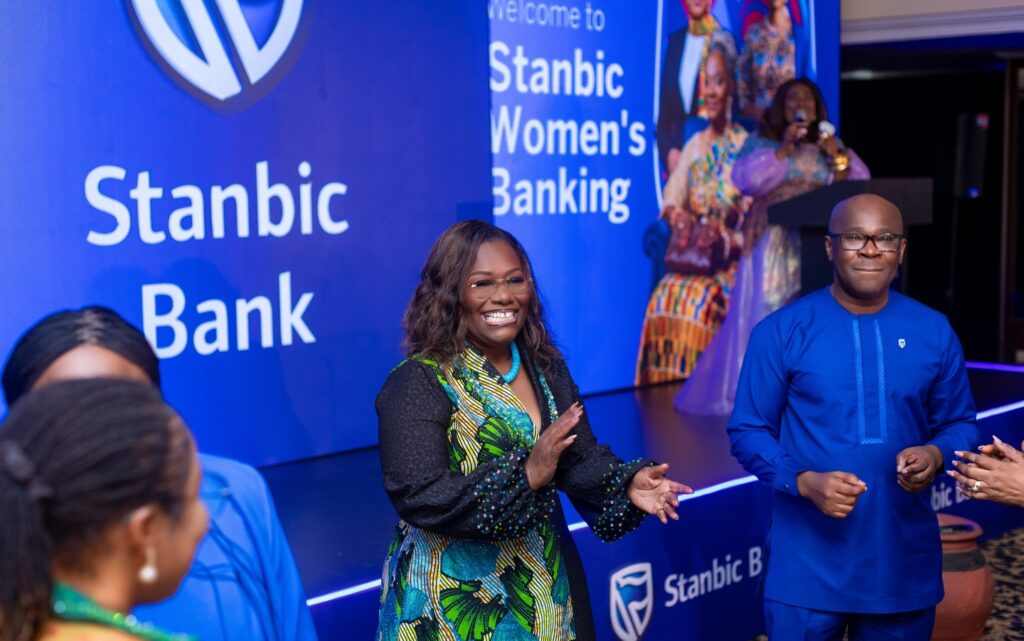
“This initiative speaks directly to a core economic truth: women are the backbone of our enterprise, accounting for 44% of SMEs and contributing significantly to GDP. Yet, too many remain locked out of formal finance, with 58% citing funding as their biggest constraint.”
She noted that improving access to capital for women would have a direct impact on business growth and job creation. “The economic case is undeniable. When women have access to capital, they grow businesses and create jobs,” she stated.
Despite existing legal frameworks, she stressed the need for stronger protections and social support systems.
“While Ghana has strong legal frameworks on mobility and property, we must strengthen enforcement against gender-based violence and expand childcare to ensure women can participate fully and safely in the economy,” she added.
The Deputy Chief of Staff indicated that government is taking steps to address these gaps through targeted policies and funding initiatives.
“Through the upcoming Women’s Development Bank and the new 24-Hour Economy Authority’s Fund24, we are mobilizing over $1 billion in enterprise financing to provide flexible, collateral-light capital,” she said.
She also cited the efforts of the Ghana Enterprises Agency, which she said supported nearly 500,000 women-led businesses last year.
Describing the “Obaa Sima” initiative as a step in the right direction, she called for collective action to eliminate structural barriers.
“The ‘Obaa Sima’ proposition represents the kind of targeted, private-sector leadership we need. But this is a collective call. Financial institutions must design better products, and we must all address the structural barriers that hold women back,” she said.
“When we remove these constraints, we unlock growth for women, for businesses, and for Ghana.”