





















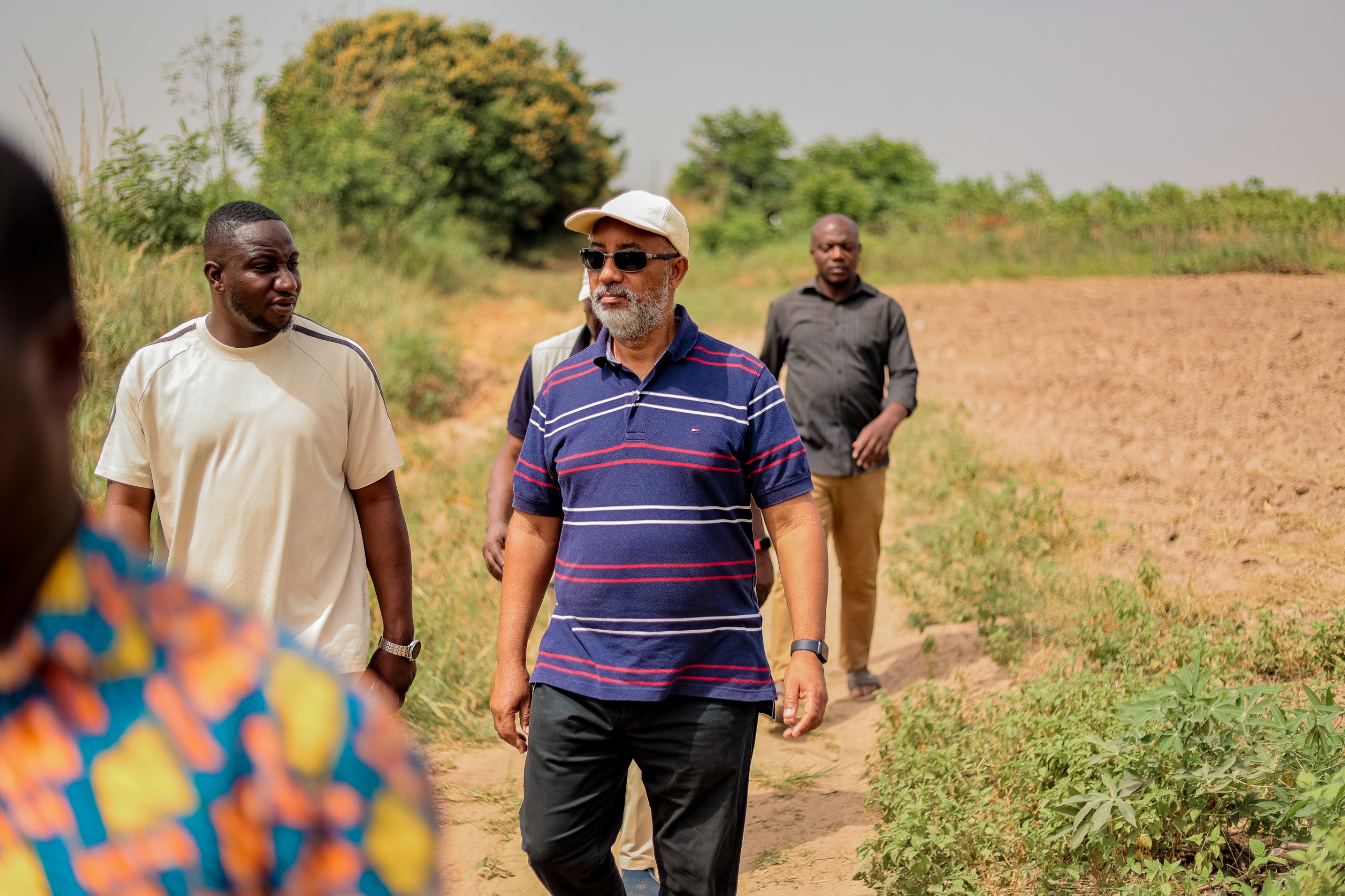
The Chief Executive Officer of the Millennium Development Authority (MiDA), Alex Mould, has sounded the alarm over deteriorating agricultural infrastructure across Ghana’s Middle Belt following a week-long inspection tour.
The assessment covered farming zones in the Ashanti, Bono, Ahafo, and Bono East regions, where MiDA officials examined irrigation systems, water resources, agricultural value chains, and institutional coordination to determine areas requiring strategic intervention.
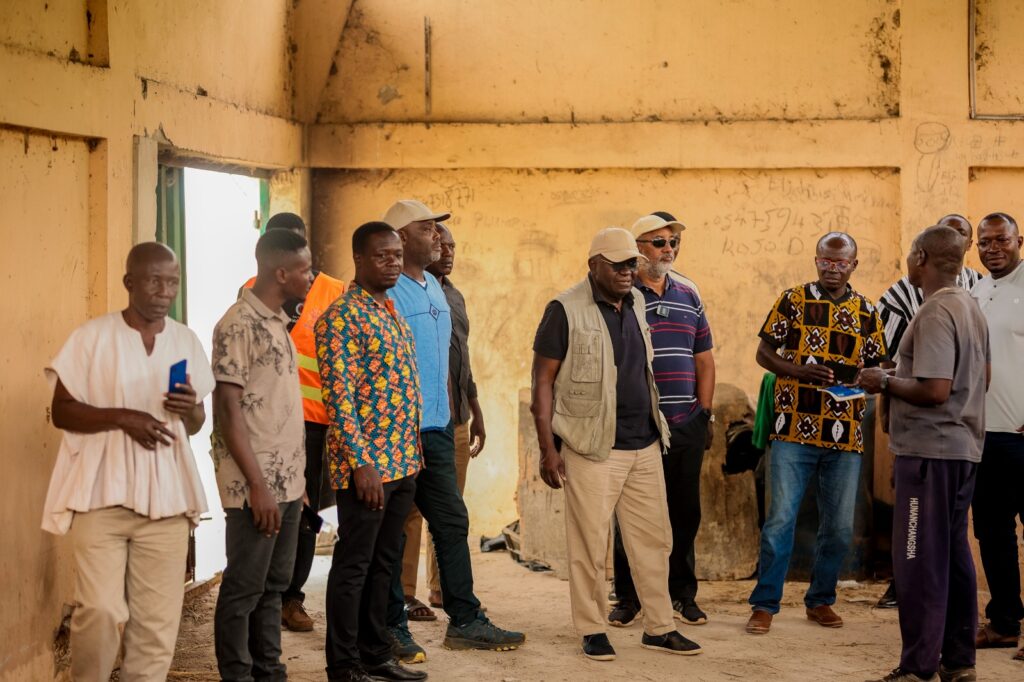
During the tour, the team engaged local authorities, government officials, and agribusiness players, while inspecting key facilities including irrigation schemes, dams, inland valleys, markets, and agro-processing centres.
Mr. Mould expressed deep concern about the condition of several irrigation facilities, attributing their decline to years of poor maintenance.
“Going around the farming areas in this country has revealed that we have a lot of wasted assets. Investments have been made over the years, but there has been a lot of neglect in terms of operations and maintenance,” he said.
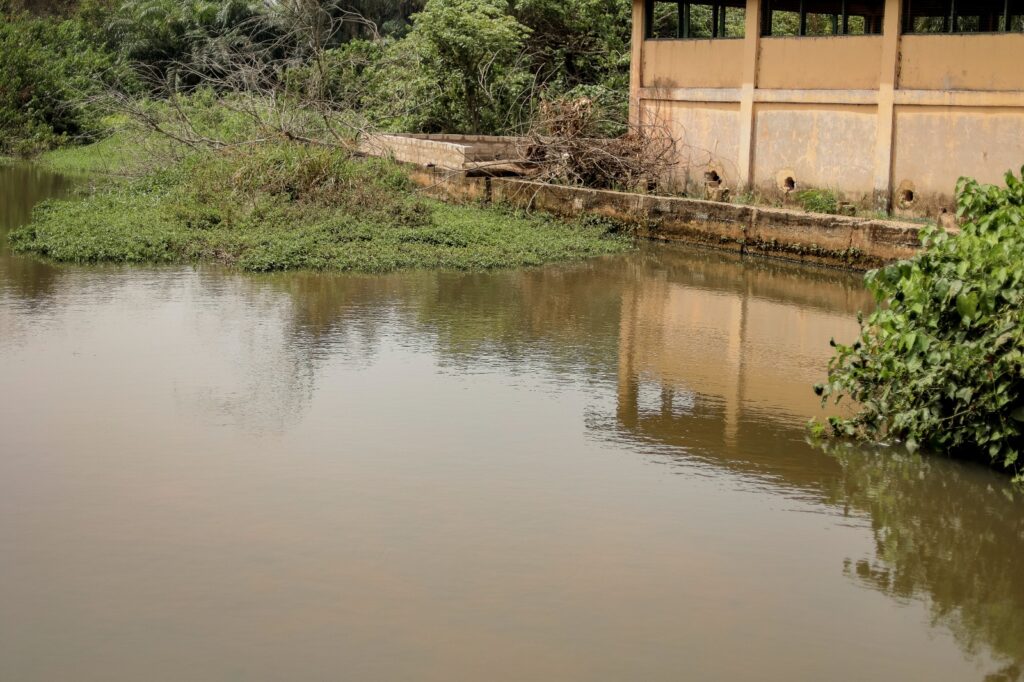
At the Subinja irrigation site, the team found that vital equipment had been vandalised or stolen, leaving the facility largely non-functional.
“the pump house originally contained four pumps, an electricity transformer, but these installations have since been stolen,” Mr. Mould observed.
He indicated that restoring such facilities would require a coordinated effort involving the Ghana Irrigation Development Authority and the Ministry of Food and Agriculture, including technical assessments and infrastructure rehabilitation.
“To rehabilitate the dam, we will need GIDA to conduct a feasibility assessment on how to restore the equipment, dam and fields, rehabilitate the pump house, pumping and piping systems, and restore irrigation canals and reconnect electricity to the facility,” he said.
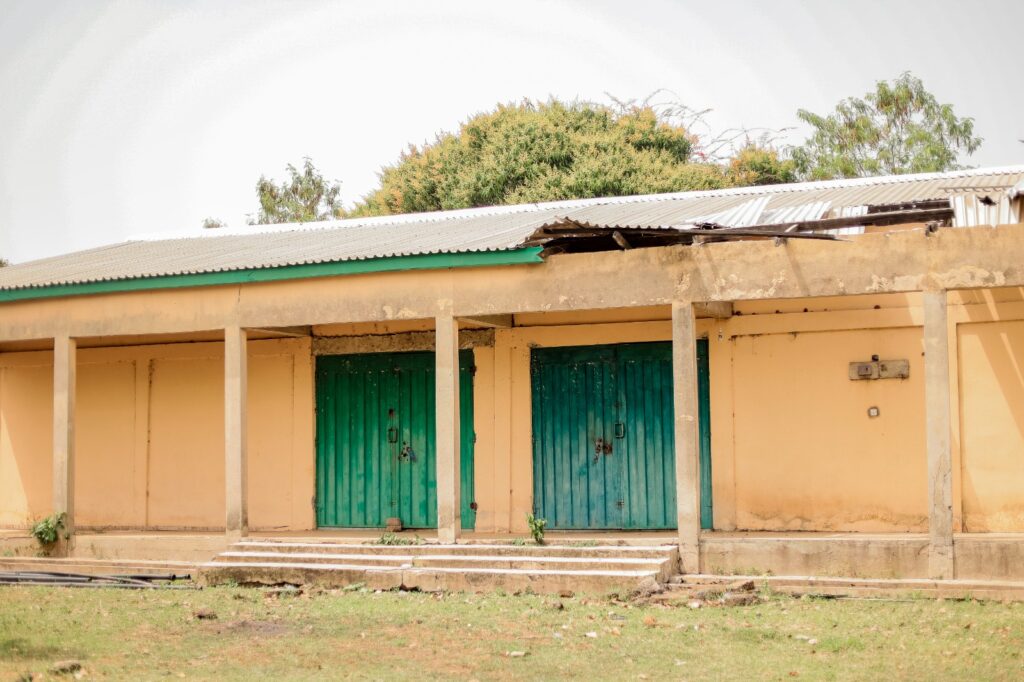
The MiDA CEO also highlighted significant untapped potential in rice-growing areas within the Tano North and South districts, where existing infrastructure is underutilised.
“We just left a rice irrigation field that has the capacity to cultivate about 1,000 acres but is currently producing only about 300 acres,” he revealed.
He noted that an incomplete dam project dating back to 2008 continues to limit output, stressing that completing the infrastructure could significantly boost production.
“If we can supply water throughout the year, and provide improved agronomy practices, production could increase from about 1,000 tonnes of paddy rice annually to between 6,000 and 7,000 tonnes,” he said.
Mr. Mould described such sites as “brownfield opportunities,” where existing but neglected infrastructure can be revived to rapidly expand agricultural productivity.
He added that improving irrigation and scaling up production could pave the way for agro-processing investments, including rice mills, ultimately reducing Ghana’s dependence on imported food.