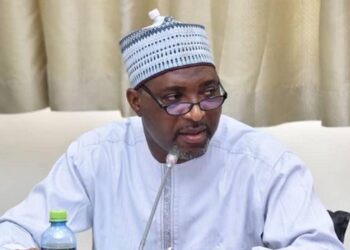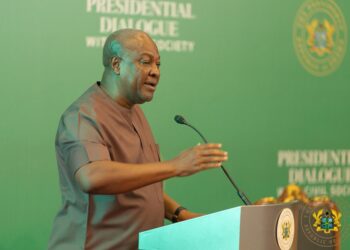






















The Chief Executive of the National Petroleum Authority, Godwin Kudzo Tameklo, says the Authority is taking a leading role in positioning Ghana’s downstream petroleum sector for continuous, round-the-clock operations as part of the country’s 24-Hour Economy drive.
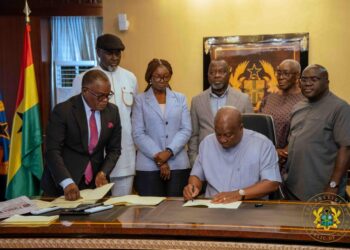
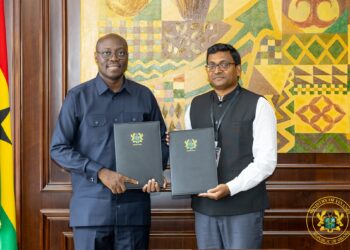
He made the comment after the signing of a Memorandum of Understanding between the NPA and the 24-Hour Economy Authority, which he described as a key milestone in aligning the petroleum sector with Ghana’s broader economic transformation agenda.
According to NPA in a statement, the agreement provides a structured framework to ensure that the downstream petroleum industry can safely and efficiently operate on a 24-hour basis, supporting increased industrial activity and improved service delivery nationwide.
Tameklo explained that the NPA will take the lead in setting and enforcing strict operational standards for fuel stations, depots, and petroleum logistics systems. These standards will cover critical areas such as safety protocols, security arrangements, workforce scheduling, digital fuel tracking, and fire prevention measures.
He emphasised that as the country transitions toward a 24-hour economy, strong regulatory oversight will be essential to protect consumers, safeguard infrastructure, and maintain efficiency across the sector.
“This agreement aligns the NPA’s regulatory mandate with the national economic transformation agenda. We will ensure that the standards for 24-hour operations are clear, enforceable, and designed to protect workers, consumers, and critical infrastructure,” he stated.
The NPA boss further disclosed that preparatory work is already underway, with technical committees and a steering structure established to guide implementation. A pilot phase is expected to begin with about 10 percent of the downstream petroleum sector, with security deployment identified as an immediate priority.
He noted that the initiative brings together key stakeholders, including oil marketing companies, bulk oil distributors, transport unions, security agencies, and other regulatory bodies, to ensure a coordinated and seamless rollout.
He says it represents a deliberate effort to strengthen Ghana’s energy infrastructure, support industrial growth, and ensure the petroleum sector plays a central role in powering the country’s 24-hour economic vision.