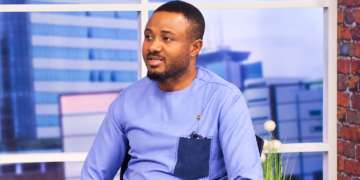




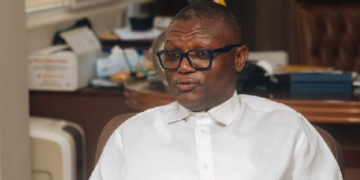









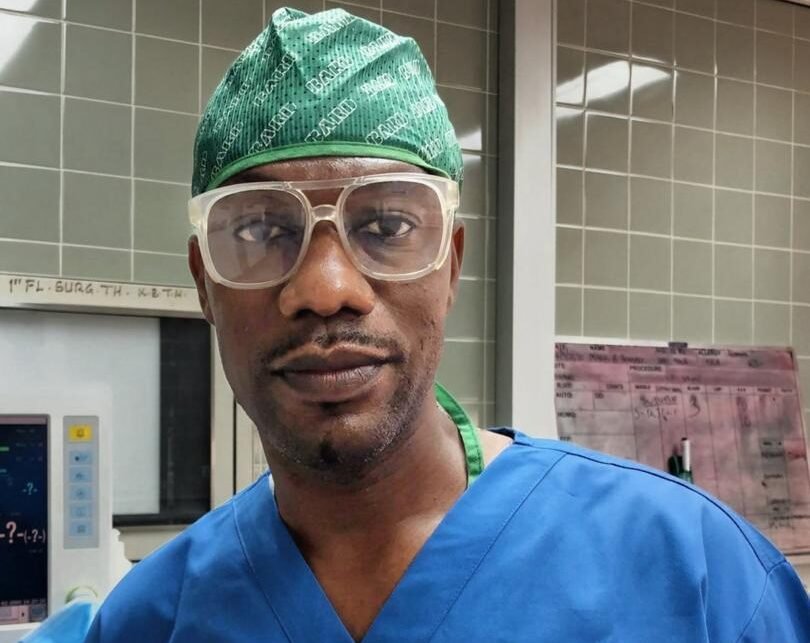
Neurosurgeon at the Korle- Bu Teaching Hospital, Dr Hadi Mohammed Abdallah, says interventions by the Ghana Medical Trust Fund (GMTF) have not only improved access to treatment for patients with complex neurological conditions but have also helped ease the psychological burden on healthcare professionals.
According to Dr Abdallah, one year into the Fund’s operations, its support for patients requiring specialised neurological treatment has helped save lives and restore hope among doctors who often face difficult situations when patients cannot afford critical procedures.
Dr Abdallah said he had been involved in the treatment of more than 10 patients supported by the Fund, including six patients who underwent brain aneurysm surgery with GMTF assistance.
He described the six procedures as significant, noting that they represented, in his account, the first time six such cases had been sponsored and undertaken in a public hospital.
A brain aneurysm, he explained, can rupture and cause severe complications, while treatment through coiling could cost between US$15,000 and US$20,000, placing the procedure beyond the reach of many patients.
Dr Abdallah said patients who could not afford treatment often lived with considerable fear and anxiety over the possibility of a rupture.
“They were living with the mental torture that they were a walking time bomb,” he said.
He said the GMTF intervention had changed the situation for patients who previously faced financial barriers to treatment.
In one emergency case, according to the neurosurgeon, the Fund provided financial support that enabled treatment to proceed without the lengthy fundraising processes that could delay care.
For him, the intervention had a direct clinical impact.
“We saved this patient,” he said.
Support for brain tumour patients
Dr Abdallah said the Fund had also supported patients with brain tumours, including pituitary tumours that could progressively affect vision and become life-threatening if left untreated.
He said without financial assistance, some patients could spend months or years trying to raise funds for surgery, potentially resulting in irreversible complications.
The GMTF’s support, he said, had therefore gone beyond settling hospital bills to helping patients regain their health and quality of life.
Relieving the burden on healthcare workers
Dr Abdallah said the Fund’s impact was also being felt among healthcare professionals who routinely encounter patients requiring urgent treatment but lack the financial resources to pay for it.
He explained that doctors could experience significant emotional distress when they diagnosed conditions that could be successfully treated but were unable to proceed because patients could not afford the required procedures.
“That can be depressing,” he said.
He noted that in some cases, doctors and other hospital staff resorted to contributing from their own pockets or organising collections among colleagues to support patients.
According to him, repeatedly confronting such situations could take a psychological toll on healthcare professionals, particularly when they later reflected on patients who might have had better outcomes with earlier treatment.
The GMTF, he said, was helping to ease that burden by providing an avenue through which patients could obtain financial support for specialised treatment.
“The fact that I don’t have to dip my hands into my pocket to do round collection to save a patient, I think it is great,” he said.
Dr Abdallah said the Fund had given healthcare professionals renewed confidence that patients could receive needed treatment without doctors having to personally shoulder the financial burden.
“It gives us a lot of hope,” he said.
He expressed optimism that continued support for the Fund could enable more complex procedures to be performed in Ghana and contribute to improved treatment outcomes.
Concluding his reflections, Dr Abdallah described the impact of the Fund on healthcare professionals as a restoration of hope and relief from a burden that often remained unseen.
In his words, “Our mental health is restored, courtesy of the Ghana Medical Trust Fund.”