
























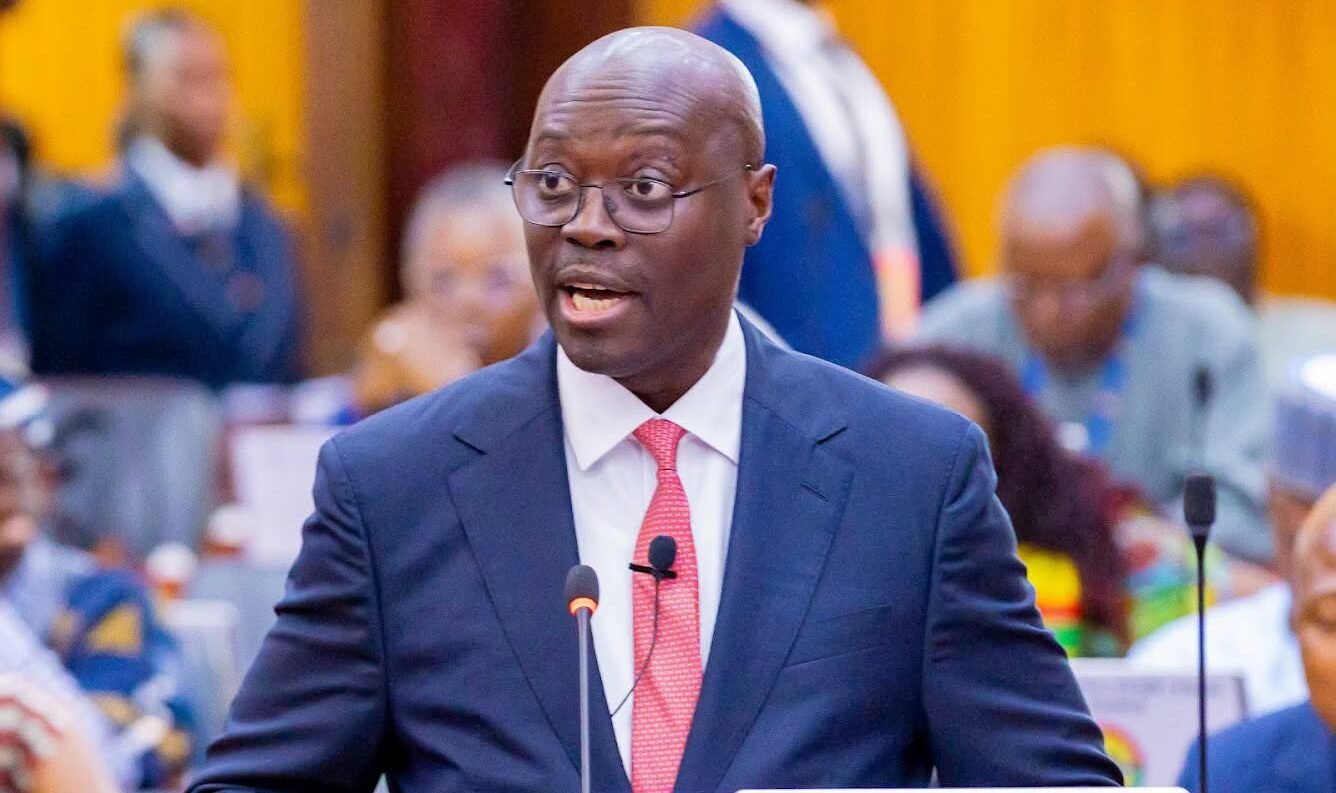
Finance Minister Dr. Cassiel Ato Forson says the government will remove import duties and import Value Added Tax (VAT) on solar panels and batteries to reduce the cost of adopting solar energy in Ghana.
He said the planned exemptions would make solar power more accessible to households, farmers and businesses, allowing them to cut electricity expenses and rely more on renewable energy.
In a video shared on X on Thursday, November 26, Dr. Forson encouraged Ghanaians to take advantage of the initiative, saying the country could harness its abundant sunshine to meet some of its energy needs.
“Let’s put Ghana sunshine to work. That sunshine we get almost every day, it can work for you,” he said.
“The government of President Mahama will remove import duties and import VAT on solar panels and batteries,” he announced.
The Finance Minister outlined how the policy could support economic activities, particularly among traders and farmers.
“If you are a trader, solar can keep your shop and fridge running. If you are a farmer, it can power your irrigation pump,” he said.
He also highlighted the potential benefits for public institutions and electric vehicle users, noting that solar energy could support electricity needs in schools and health facilities and power electric vehicles.
“That means less money spent on power, more money in your pocket and power when you need it,” he added.
Dr. Forson urged households, farmers and businesses to consider switching to solar energy, describing the planned tax relief as an opportunity to lower the cost of adoption.
“We are making it easier to go solar. I urge every household, every farmer and every business, seize this opportunity. Let us put Ghana sunshine to work,” he said.
The proposed tax exemptions were first announced by Dr. Forson during the presentation of the 2027 Budget Statement and Economic Policy to Parliament on November 12, 2026.
Under the measure, imported solar panels and batteries will be exempted from import duties and VAT to encourage households and businesses to invest in renewable energy and reduce the initial cost of installing solar systems.
The exemptions will also form part of the incentives under the government’s 24-Hour Economy Programme, which seeks to support businesses and industries to extend their operating hours.
In the 2027 Budget, the government described energy security as critical to economic activity, highlighting the potential of solar power to support traders, farmers, schools, clinics and factories.
It also noted that advances in solar technology and battery storage had made the systems more affordable over time.