

























Ghana and Côte d’Ivoire are set to install 57 new international boundary pillars along a 392-kilometre stretch of their shared land border to improve border management and prevent territorial disputes.
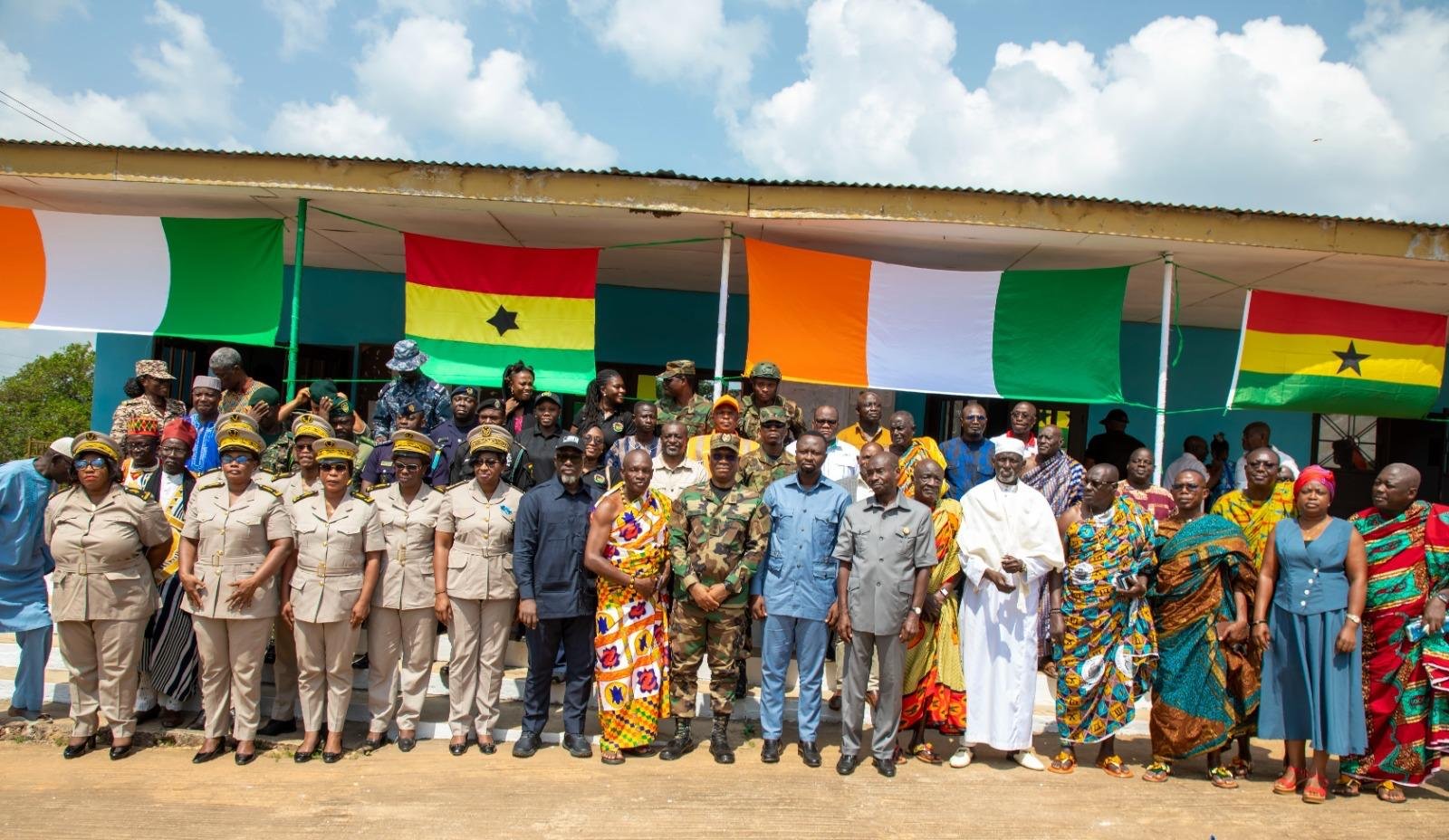
The exercise forms part of the second phase of a joint boundary reaffirmation programme launched on Thursday, November 26, 2026, at Niable in Côte d’Ivoire, near Sefwi Oseikojokrom in Ghana’s Western North Region.
The project will cover the stretch from the Aowin Municipality in the Western North Region to the Banda District in the Bono Region, with Côte d’Ivoire supervising the construction of the pillars.
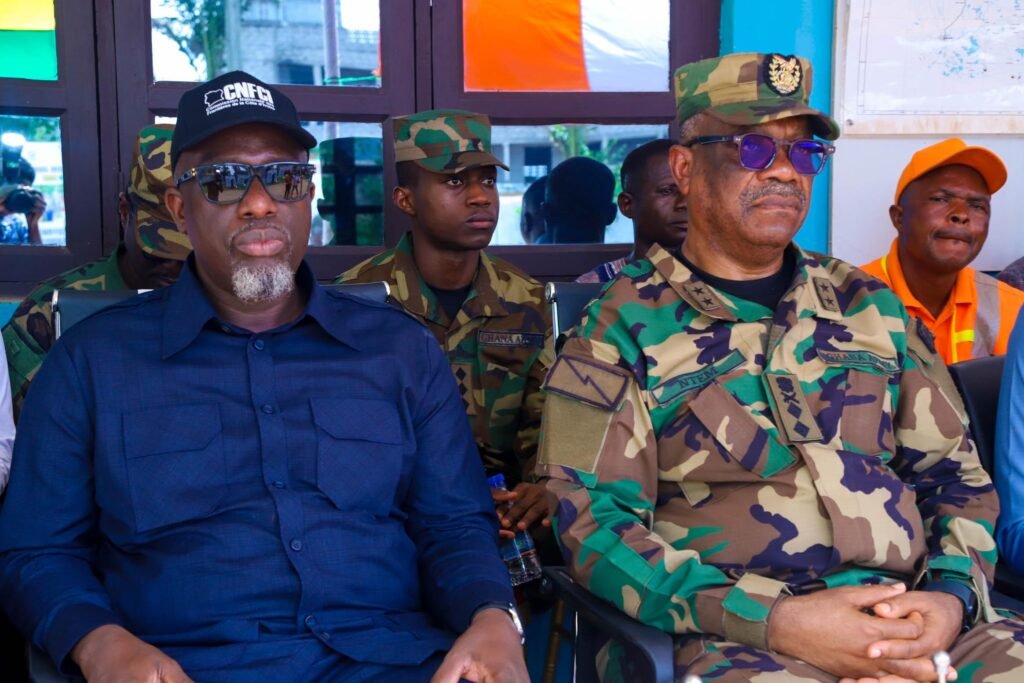
Speaking at the launch, the Commissioner-General of the Ghana Boundary Commission, Major General Anthony Ntem, said clearly defined boundaries were important for development planning, territorial administration and peaceful relations between the two countries.
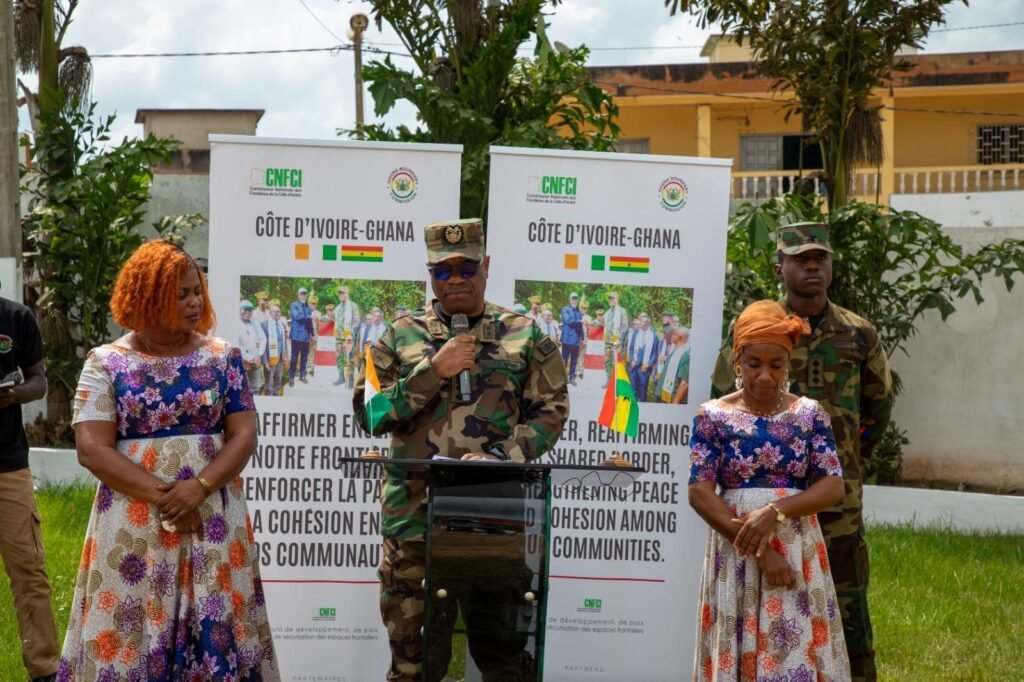
“The Pillars will also clarify territorial jurisdiction and help prevent boundary-related misunderstandings and disputes,” he said.
He also assured residents of communities along the border that the exercise would not interfere with their legitimate movements or economic activities.
“I wish to reassure our communities that the reaffirmation exercise will not prevent legitimate cross-border movement or disrupt your livelihoods. Such movements should comply with applicable national laws, immigration requirements and agreed cross-border arrangements,” Major General Ntem said.
He urged residents to cooperate with the joint technical team and report suspicious activities along the boundary to the appropriate authorities.
For his part, Côte d’Ivoire’s Executive Secretary of the National Boundary Commission, Dr. Diakalidia Konate, highlighted the importance of clearly defined national boundaries in preventing conflicts and promoting stability across Africa.
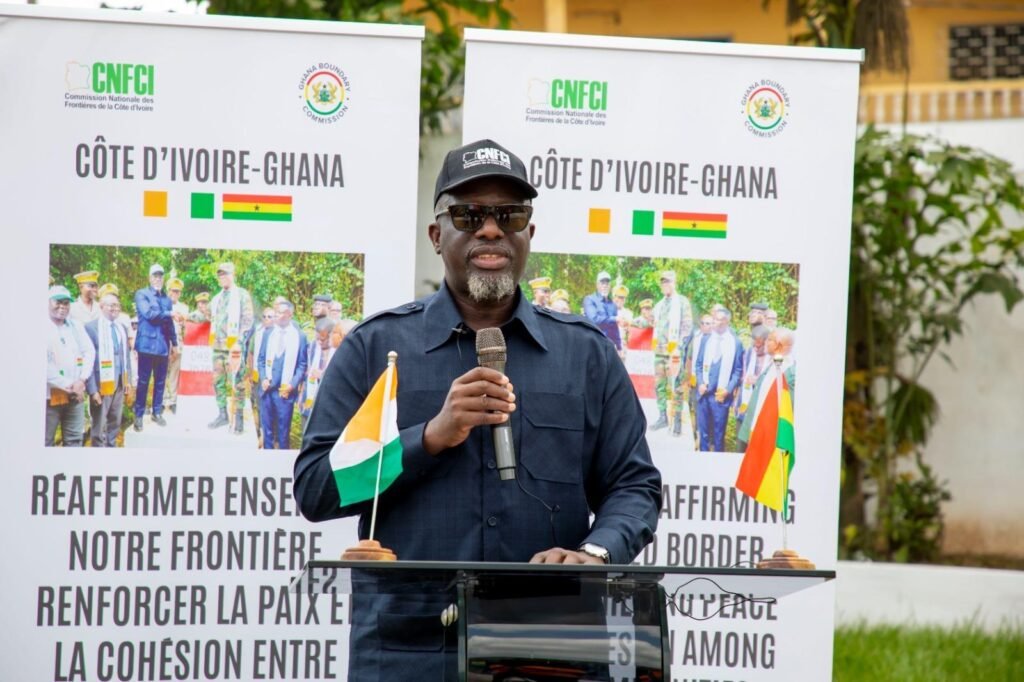
He called on traditional authorities and residents of border communities to support the exercise and guard against misinformation that could undermine its implementation.
The initiative is expected to improve the visibility of the shared boundary and strengthen cooperation between the two countries in managing their common border.