























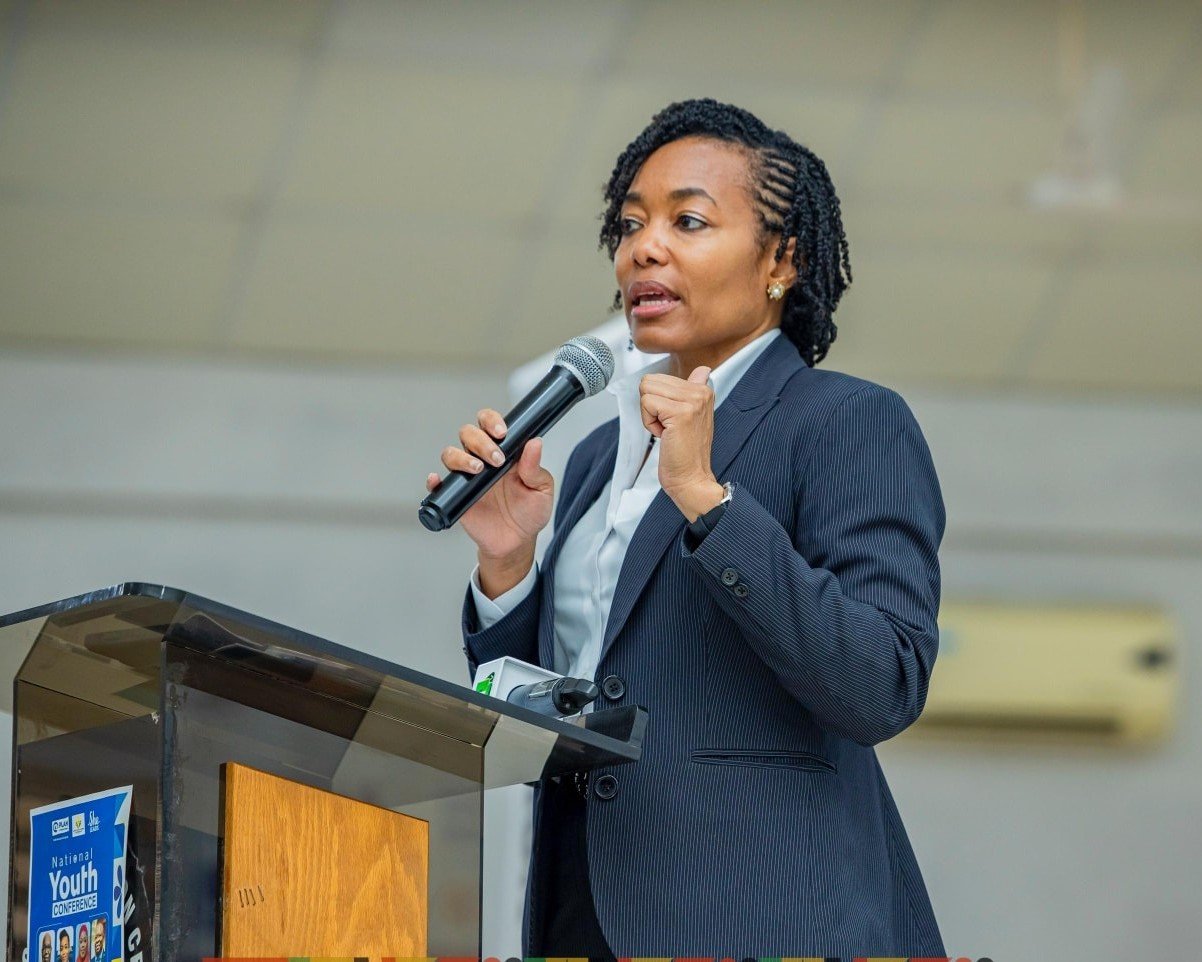
Ghana’s Minister of Environment, Science and Technology, Dr Zanetor Agyeman-Rawlings, has called for critical minerals found in Africa to be processed locally to create jobs and accelerate industrial development.
She said the continent must move away from exporting raw minerals and importing finished products, particularly as demand for materials used in clean energy technologies continues to grow.
Speaking at the 31st Conference of the Parties (COP31) to the United Nations Framework Convention on Climate Change in Antalya, Türkiye, Dr Agyeman-Rawlings said Africa must take greater control of the economic benefits from its natural resources.
“The era of exporting raw ore and importing finished technology must end,” she said.
Africa holds about 30 per cent of the world’s critical mineral reserves. According to the Minister, these resources present an opportunity to develop local industries, expand manufacturing and create decent employment.
She called for stronger regional industrial partnerships and the use of African Continental Free Trade Area (AfCFTA) value chains to support local processing and increase the continent’s competitiveness.
Dr Agyeman-Rawlings also stressed that the global shift towards cleaner energy must not deepen existing inequalities in international trade.
She said Africa supported a just and orderly transition away from fossil fuels but insisted that the process must reflect the continent’s development needs.
The Minister called for the proposed Just Transition Mechanism to be country-led and grant-based, with funding directed towards electricity infrastructure, skills development and job creation.
She further urged governments to involve workers and communities in decisions that could affect their livelihoods during the energy transition.
On electricity access, Dr Agyeman-Rawlings encouraged the international community to link the COP31 Presidency’s electrification drive with Mission 300, an initiative aimed at providing electricity to 300 million Africans by 2030.
She said reliable electricity was essential for industrial growth, economic development and improved living standards.
The Minister also cautioned against imposing the same timelines on all African countries to abandon fossil fuels.
She argued that countries had different development levels, energy needs and national circumstances, which must be considered when setting transition targets.
She added that developed countries must take the lead in reducing emissions while providing Africa with the technology and financial support needed to pursue cleaner energy.
On international trade, Dr Agyeman-Rawlings opposed unilateral climate-related measures that could disadvantage African exports.
She warned that such restrictions could undermine efforts to build industries and retain more economic value within the continent.
Touching on carbon markets, she said Ghana’s experience could help mobilise investment for climate action across Africa.
“This must guarantee fair prices, protect countries’ own emissions-reduction targets and ensure that local communities benefited,” she said.
She also warned against international buyers purchasing African carbon credits at low prices as a way of avoiding emissions reductions in their own countries.
Dr Agyeman-Rawlings maintained that Africa had a right to pursue development and should not be expected to meet climate obligations without the necessary resources.
She said Ghana would continue to advance Africa’s climate and development priorities beyond COP31 as the country prepares to assume the African Union Chairmanship in 2027.