






















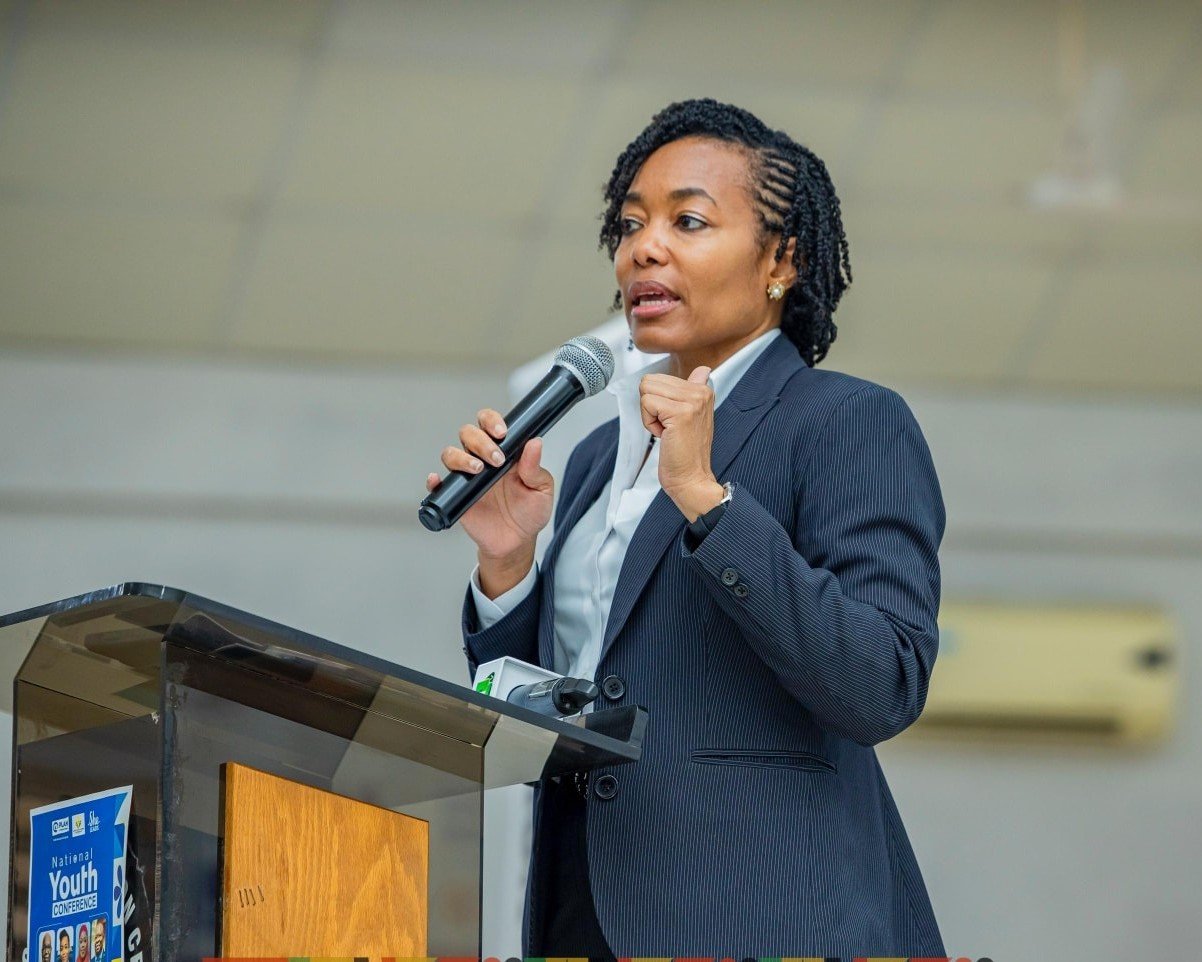
Ghana has called on developed countries to fulfil their climate finance commitments, warning that continued delays could weaken Africa’s confidence in international climate negotiations.
The Minister of Environment, Science and Technology, Dr Zanetor Agyeman-Rawlings, made the call at the 31st Conference of the Parties (COP31) to the United Nations Framework Convention on Climate Change in Antalya, Türkiye.
She said African countries remained committed to global climate discussions but expected developed nations to match their promises with concrete financial support.
Dr Agyeman-Rawlings questioned how long Africa should continue participating in negotiations without seeing meaningful results.
“What happens when decades of repeated promises, shifting goalposts, and unfulfilled commitments push an entire continent to question its continued participation in a process that demands so much of her, yet delivers so little in return?” she asked.
She clarified that Africa was not threatening to withdraw from international climate negotiations. However, she insisted that continued participation must produce tangible outcomes.
The Minister said delays in reaching agreements had serious consequences for communities already battling droughts, floods, wildfires and coastal erosion.
She noted that millions of people, particularly in developing, least developed and landlocked countries, continued to suffer the effects of climate change while governments spent valuable time negotiating commitments.
“How many more lives must be lost before we recognise that delay is not merely a diplomatic failure, but a human tragedy?” she asked.
Dr Agyeman-Rawlings said African countries had demonstrated their commitment to climate action through Nationally Determined Contributions (NDCs), carbon markets and national climate action plans.
However, she argued that the continent lacked the financial resources needed to implement these commitments.
She maintained that climate finance was an obligation under the Paris Agreement and should not be treated as charity.
The Minister also opposed excessive reliance on loans to fund climate initiatives, warning that such arrangements could worsen the debt burden of developing countries.
She called for greater recognition of Africa’s historical circumstances when determining global responsibilities for climate change.
According to her, developed countries built much of their economic strength through the historical exploitation of resources and labour in colonised territories.
She therefore urged wealthier nations to demonstrate stronger leadership and take greater responsibility for addressing the climate crisis.
Dr Agyeman-Rawlings further stressed that Africa deserved fairness and dignity in international climate negotiations.
She said decisions taken at COP31 would have lasting consequences for future generations and shape how the international community was judged on its response to climate change.
Ghana, she added, would continue to champion Africa’s demands for climate justice and accountability ahead of its assumption of the African Union Chairmanship in 2027.
“We will not leave Antalya with words alone,” she said.
She maintained that Ghana would continue pushing for climate commitments that translate into accessible funding and practical support for countries facing the growing effects of climate change.