














The Ghana Medical Trust Fund (GMTF) has called for stronger stakeholder collaboration to improve access to specialised healthcare and reduce the financial burden of treating Non-Communicable Diseases (NCDs) in the Northern Region.
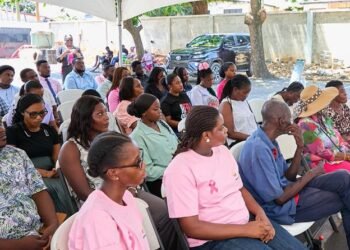
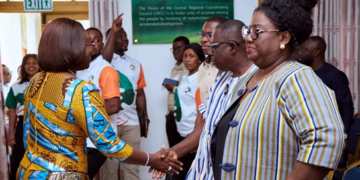
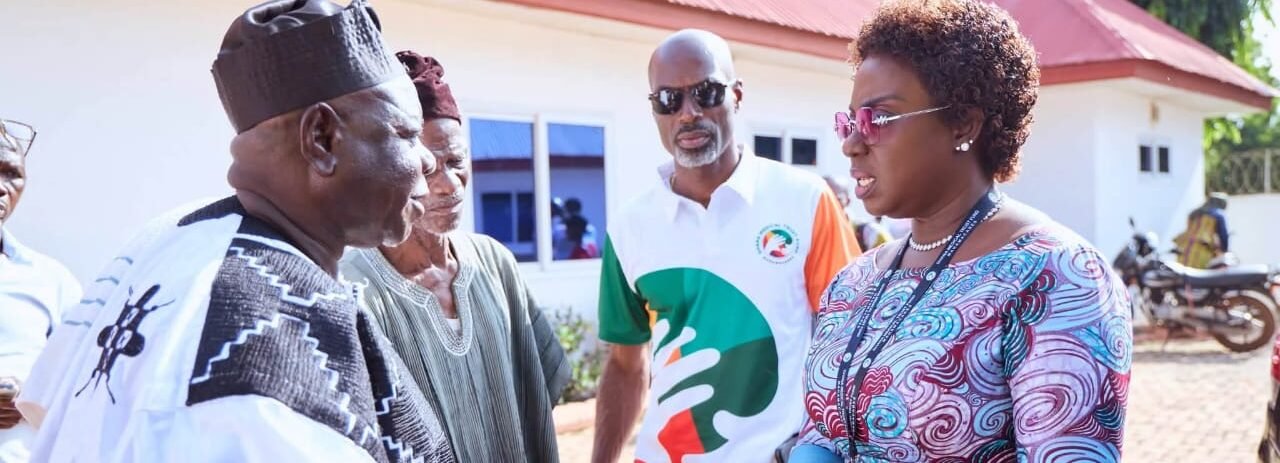
The call was made during the Fund’s regional sensitisation tour in Tamale, which aimed to educate the public on its mandate, the eligibility criteria for accessing assistance and the need for collective efforts to improve healthcare delivery.
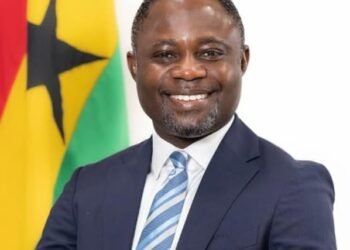
The Northern Regional Minister, Ali Adolf John, said the visit by the GMTF delegation underscored the government’s commitment to improving the health and well-being of Ghanaians, particularly those facing financial difficulties in accessing specialised medical care.
He said although the National Health Insurance Scheme (NHIS) had contributed significantly to healthcare delivery, the cost of treating chronic illnesses continued to impose a heavy financial burden on households.
Hon.John expressed optimism that the effective implementation of the GMTF would significantly improve access to specialised healthcare in the region, particularly for residents in rural and hard-to-reach communities.
He urged Non-Governmental Organisations, Civil Society Organisations, traditional authorities, the media and other stakeholders to support public education on the Fund to ensure that eligible patients and their families were aware of the assistance available.
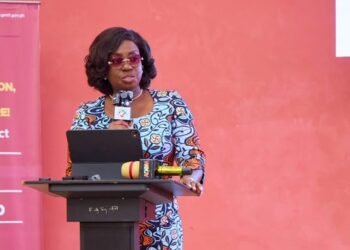
Representing the Administrator of the GMTF, the Director of Operations, Dr William Omane Adjekum, said the Fund was established to support eligible patients and families struggling with the cost of treating Non-Communicable Diseases, while strengthening the capacity of health facilities to deliver specialised medical services.
He said the government’s commitment to improving healthcare must translate into tangible benefits for people in every part of the country, irrespective of their geographical location or financial circumstances.
Dr Omane Adjekum described the sensitisation exercise as an important platform for engaging healthcare providers, community leaders and other stakeholders on the Fund’s operations and the need to work together to improve access to treatment.
He stressed that sustained public education and collaboration were critical to ensuring that eligible patients understood the processes for accessing support and benefited from the Fund’s interventions.
The Northern Regional Director of Health, Dr Chrysantus Kubio, called for intensified public education on healthy lifestyles, disease prevention and the early detection of Non-Communicable Diseases.
He said early diagnosis and preventive healthcare were essential to reducing the burden of chronic illnesses and improving treatment outcomes.
Dr Kubio expressed confidence that the GMTF would provide significant relief to patients and families struggling to meet the cost of specialised treatment and pledged the region’s support for the initiative.
He also appealed to the Fund to consider extending its interventions to more health facilities in the region, particularly the Yendi Hospital, which he said served more than 10 districts.
The Chief Executive Officer of the Tamale Teaching Hospital, Dr Bawa Abukari, commended the management of the GMTF for its support towards the provision of medical equipment and healthcare infrastructure.
In a speech read on his behalf, he expressed appreciation to the Administrator and management of the Fund, emphasising that sustained investment in health infrastructure and equipment was necessary to strengthen service delivery and improve patient care.
A representative of the Northern Regional Hospital, meanwhile, appealed for the construction of a modern laboratory and diagnostic complex to enhance the facility’s capacity to conduct essential medical investigations and improve the diagnosis and treatment of patients.
The representative also called on politicians, healthcare professionals, the media and other stakeholders to intensify public education on the Fund to enable more eligible patients to access the support available to them.
The Northern Region engagement forms part of the GMTF’s nationwide sensitisation campaign aimed at raising awareness of its mandate, promoting the early detection of non-communicable diseases and strengthening partnerships with healthcare institutions and communities.
The Fund is mandated to support eligible patients requiring specialised treatment for chronic illnesses while contributing to improvements in healthcare infrastructure, equipment and service delivery.
Through these interventions, the GMTF seeks to reduce the financial hardship associated with specialised medical care and help ensure that eligible patients are not denied essential treatment because of their inability to afford it.