



























The Minister for Communication, Digital Technology and Innovations, Samuel Nartey George, has inspected selected digital infrastructure and One Million Coders Programme (OMCP) centres in the Ashanti Region as part of efforts to improve digital skills training and expand access to electronic communication services.
The October 12, 2026, field visit brought together a delegation that included the Administrator of the Ghana Investment Fund for Electronic Communications (GIFEC), Dr Sofo Tanko Rashid-Computer.
The visit was aimed at assessing the state of digital infrastructure, monitoring the implementation of government programmes and identifying measures to improve access to digital learning facilities, particularly for young people and underserved communities.
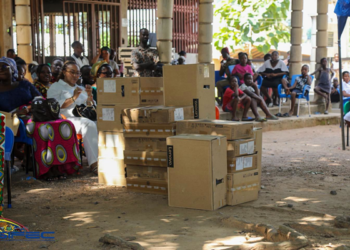
During the tour, Mr George visited the One Million Coders Centre at the Kwame Nkrumah University of Science and Technology (KNUST) and the Kwadaso Community Information Centre, where he interacted with learners and highlighted the importance of digital skills in the modern economy.
He said young people needed to acquire relevant technological skills to take advantage of emerging employment and entrepreneurial opportunities in an increasingly digitalised world.
The Minister also stressed the need for functional training facilities, appropriate equipment and reliable internet connectivity to ensure effective learning and the successful implementation of digital skills development initiatives.
The delegation’s itinerary included a courtesy call on the Ashanti Regional Minister at the Regional Coordinating Council in Kumasi, as well as engagements with stakeholders at KNUST.
Other facilities visited were the Kwadaso Regional Information Centre, the Asawase Community Information Centre in Asokore Mampong and the Nkwantakese Community Information Centre in the Afigya Kwabre North District.
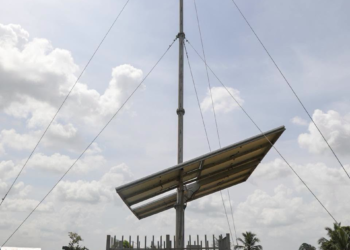
Beyond digital skills development, Mr George announced plans for a nationwide audit of the Rural Telephony Project to independently verify contractors’ reports and establish the actual level of implementation.
He indicated that the audit was expected to begin within the coming weeks and would assess the project’s progress, identify outstanding works and determine gaps that need to be addressed to improve rural connectivity.
The exercise is expected to strengthen accountability in project implementation and provide a clearer picture of the infrastructure delivered under the initiative.
The Rural Telephony Project forms part of broader efforts to extend electronic communication services to communities with limited or no connectivity, helping to reduce the digital divide between urban and rural areas.
GIFEC’s participation in the inspection reflects its role in supporting digital infrastructure development, improving access to electronic communication services and promoting digital inclusion across the country.
The Ministry and GIFEC are expected to use insights from the field engagements to strengthen oversight of ongoing projects, improve community information centres and expand opportunities for young people and underserved populations to participate in Ghana’s growing digital economy.