
























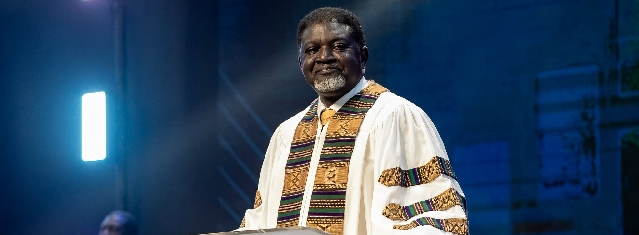
Archbishop Charles Agyinasare has criticised what he describes as a growing culture of dishonesty among Ghanaians, warning that lying has become so common that some people equate cleverness with the ability to evade the truth.
Preaching on Sunday, October 11, 2026, the founder of Perez Chapel International delivered a sermon titled “The Venom of Falsehood – When Lies Become Weapons of Destruction,” in which he cautioned against the personal and societal consequences of dishonesty.
He questioned whether aspects of Ghanaian culture had inadvertently normalised deceit, drawing a comparison with the popular folklore character Kweku Ananse, who is often associated with trickery.
“Lying has become a pastime, and cleverness is measured by how well we dodge the truth,” he said.
Archbishop Agyinasare said dishonesty often begins at home through seemingly harmless lies told by parents to their children.
He cited instances where parents threaten children by claiming the police are coming to get them or instruct them to tell visitors that they are not at home when they are present.
According to him, such practices risk teaching children that deception is an acceptable way of handling uncomfortable situations.
He urged parents to recognise the long-term implications of these actions and ensure that children learn the importance of honesty from an early age.
Drawing lessons from Genesis 39, the biblical account of Joseph and Potiphar’s wife, the archbishop explained how false accusations could damage an innocent person’s reputation, relationships and freedom.
In the biblical story, Joseph was imprisoned after Potiphar’s wife falsely accused him following his refusal to submit to her advances.
“One lie, told in one afternoon, cost an innocent man years of his life,” he said.
He used the account to emphasise that falsehoods, regardless of how small or convenient they may appear, can have serious consequences for those who become victims of them.
Archbishop Agyinasare further warned that dishonesty could erode trust within families, churches, friendships and business relationships. He noted that people who discover they have been deceived may struggle to trust the offender again, even after an apology.
The Archbishop stressed that dishonesty goes beyond outright lies to include half-truths, exaggerations, flattery, pretence, selective disclosure, doctored photographs and the circulation of fake news.
He urged Ghanaians to be more discerning about the information they receive and share, particularly on social media, where misleading content can spread widely.
He also cautioned against making or circulating allegations about public figures without first verifying their accuracy, warning that false claims may be spread for attention or personal gain.
His message called on individuals to embrace honesty in their daily interactions and consider the potential harm that deception can cause to others and to society as a whole.