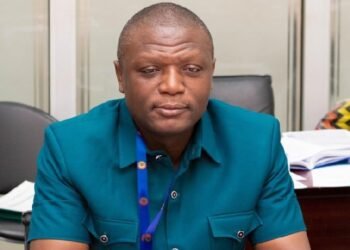















Finance Minister Dr. Cassiel Ato Forson has called for a fundamental shift in Ghana’s economic model, arguing that the country must move beyond recording economic growth to building a productive economy that creates jobs, adds value to local resources and improves living standards.
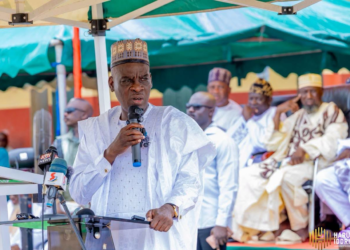
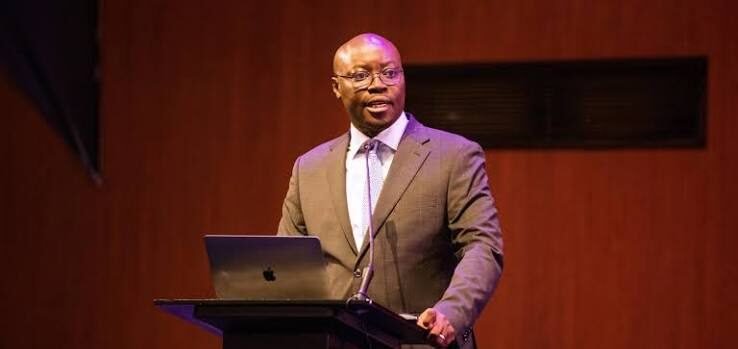
Speaking at the University for Development Studies (UDS), Dr. Forson said Ghana’s historical growth had not translated into sufficient economic transformation, leaving the country heavily reliant on exporting raw materials and importing finished products.
“Ghana has had moments of growth, but growth alone has not been enough. We have grown, but not transformed enough,” he said.
According to him, the country’s economic challenges have been compounded by its failure to process enough of its own resources, recurring economic difficulties and limited job opportunities for young people.
“We have exported too much in raw and imported too much of finished product. We have celebrated stability, only to return later to debt, inflation and adjustment,” he stated.
The Finance Minister also highlighted the gap between education and employment, noting that the economy has not generated enough decent jobs to accommodate the growing number of young people entering the labour market.
“We have trained young people, but the economy has not created enough decent jobs to absorb their energy and talent,” he said.
He described these challenges as central to the need for a new economic direction, which he said should prioritise domestic production, industrialisation and employment creation.
“That is the problem the new economy we are talking about is coming to solve,” Dr. Forson added.
Under the proposed approach, Ghana would seek to produce more of the goods it consumes, process agricultural and mineral resources locally, and expand opportunities for decent employment.
“It is about building an economy that produces more of what we consume. It is about adding value to what we grow and what we mine. It is about creating jobs here at home,” he said.
Dr. Forson stressed that economic stability must ultimately translate into tangible improvements in the lives of ordinary Ghanaians, rather than remain a measure reflected only in economic indicators.