




















A total of 1,964 Ghanaians have been evacuated from South Africa following a wave of xenophobic attacks and growing threats against African nationals.
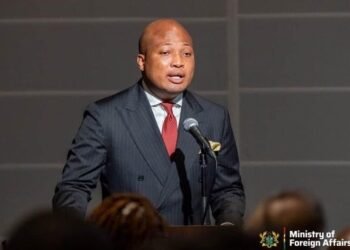
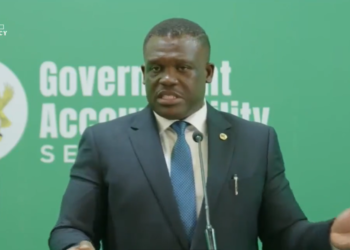
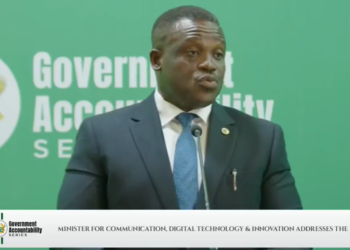
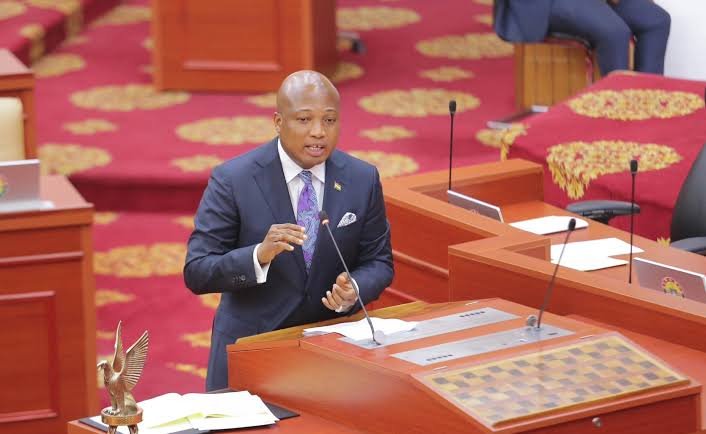
Foreign Affairs Minister Samuel Okudzeto Ablakwa said the evacuation exercise lasted more than three months, beginning on May 27 and ending on September 4, 2026.
The exercise was coordinated by the Ministry of Foreign Affairs and Ghana’s High Commission in Pretoria, with support from the Presidency, National Security Secretariat and other government agencies.
Ablakwa said Ghana moved swiftly after the situation in South Africa deteriorated, making the safety and welfare of its nationals the priority.
“Ghana was the first country to evacuate its citizens.”
The first evacuation flight, on May 27, prioritised vulnerable Ghanaians, including children, sick persons, the aged and women.
The government also provided returning nationals with reintegration and transportation support to help them settle after their return.
Each evacuee received a GH¢5,000 reintegration grant and a GH¢500 travel and transport allowance.
Additional support included free medical screening, health insurance registration, SIM cards with data and money, food packages, accommodation and psychosocial assistance.
The government has also enrolled all evacuees in a special national database to facilitate their possible connection to employment opportunities, entrepreneurship initiatives, skills development programmes and start-up support.
Ablakwa said the evacuation was conducted without discrimination.
“Let me emphasise that the evacuation was voluntary, impartial and nationalistic. It was absolutely devoid of any form of discrimination.”
The evacuation became necessary following renewed xenophobic attacks against African migrants in South Africa from April 2026.
Ghanaian nationals were among those affected by threats, intimidation, attacks on businesses and loss of property.
The government’s intervention followed diplomatic engagements with South African authorities, including a formal protest and discussions between Ghana’s Foreign Affairs Minister and his South African counterpart.
The Ghanaian government also raised the issue at the continental level, arguing that recurring attacks against African nationals undermine African unity, free movement and continental integration.