















The 2027 Budget will target a primary surplus of 0.5 per cent of Gross Domestic Product (GDP), in line with Ghana’s programme commitments to the International Monetary Fund (IMF).
The Fund said the fiscal target would build on the country’s recent fiscal consolidation efforts while creating room for priority investments in job creation and infrastructure development.
In a statement following its October 22 to November 4 mission to Accra, the IMF said the target would be supported by revenue measures approved by Parliament in July 2026.
“The 2027 Budget is built on strong foundations. Consistent with the PCI, it targets a primary surplus of 0.5 percent of GDP on a commitment basis, supported by revenue measures already approved by the Parliament in July,” the Fund stated.
It said the fiscal space created would be directed towards investment under the government’s New Economy agenda, including efforts to create employment and investment opportunities and address the country’s infrastructure deficit.
The IMF, however, emphasised the need for strict financial controls to ensure that public investments deliver value for money without undermining debt sustainability.
“Rigorous project appraisal, competitive procurement, and strict expenditure controls will be critical to ensure value for money and preserve debt sustainability,” it said.
On revenue mobilisation, the Fund projected a further increase in non-oil revenue in 2027, building on strong collections recorded in 2026.
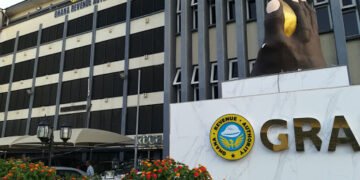
It attributed the expected improvement to the tax measures announced in July 2026, the review of customs and excise legislation, and revenue administration reforms, including the Integrated Tax Administration System and electronic fiscal devices.
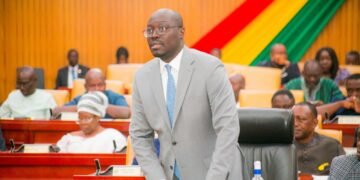
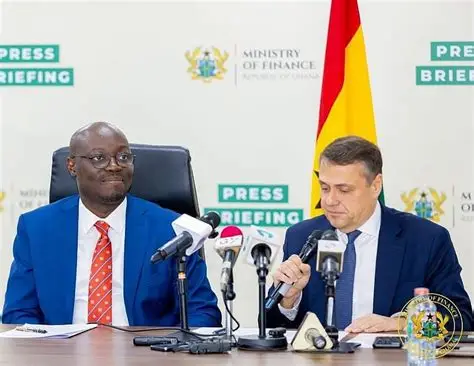
The IMF’s assessment comes ahead of the presentation of the 2027 Budget Statement and Economic Policy by Finance Minister Dr Cassiel Ato Forson to Parliament on November 12, 2026.
The budget is expected to outline the government’s fiscal priorities and spending plans for the coming year, including how it intends to sustain economic stability while supporting growth, job creation and infrastructure development.
The IMF said the proposed fiscal framework was consistent with Ghana’s 36-month Policy Coordination Instrument, which was reviewed by the Fund’s Executive Board in July 2026.