



























The government has set a target of achieving 70 percent population coverage for 5G services by the end of 2028 as part of efforts to accelerate Ghana’s digital transformation and expand access to high-speed connectivity.
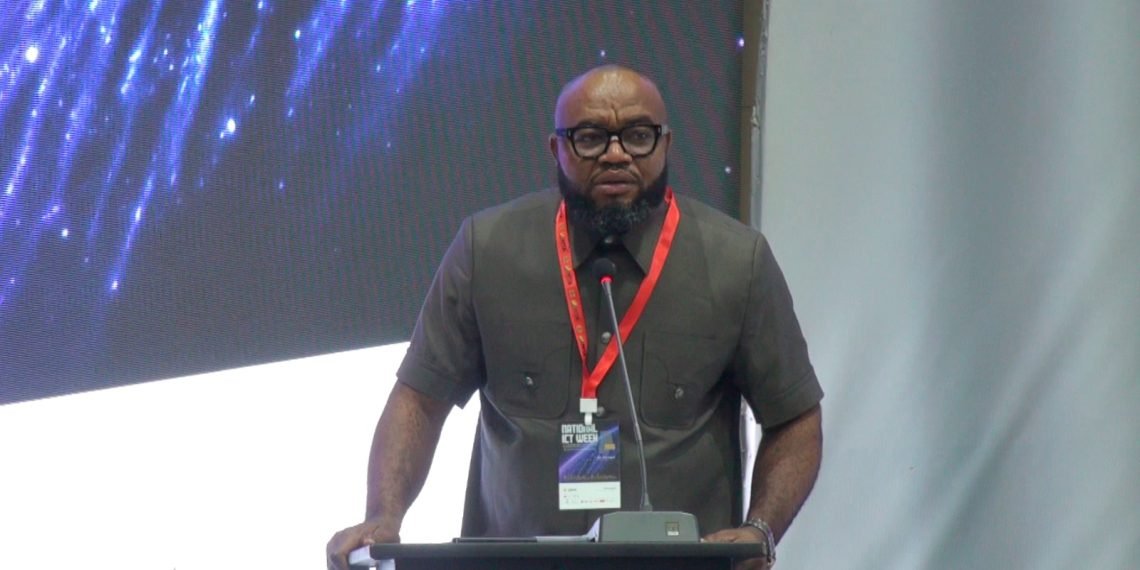
Deputy Minister for Communication, Digital Technology and Innovations, Mohammed Adams Sukparu, announced the target at the opening of the 2026 National ICT Week.
He said the government is also reviewing the country’s spectrum policies to ensure Ghana’s limited spectrum resources are used to attract investment, accelerate network deployment and deliver greater public value.
“We have announced an ambitious target of achieving 70 percent population coverage of 5G by the end of 2028, while reviewing spectrum policies to ensure that this scarce national resource supports investment, deployment, and wider public value,” he said
Mr. Sukparu said the 5G expansion forms part of a broader government strategy involving investments in digital infrastructure, skills development, Artificial Intelligence and regulatory reforms.
He highlighted the launch of Ghana’s National Artificial Intelligence Strategy in April 2026, describing it as a framework for promoting responsible and inclusive adoption of AI.
The strategy, he said, focuses on areas including data governance, digital infrastructure, talent development and the ethical use of Artificial Intelligence.
The Deputy Minister also cited the One Million Coders Programme as a major initiative to equip Ghanaians with practical digital and coding skills.
According to him, the second phase of the programme has already recorded more than 12,000 course completions in its early weeks.
He said the initiative is intended to help equip one million Ghanaians with skills relevant to employment, entrepreneurship and participation in the digital economy.
Mr. Sukparu stressed that the expansion of digital infrastructure must be accompanied by stronger regulation, cybersecurity and data protection to maintain public confidence in Ghana’s digital ecosystem.
“Our digital transformation agenda must be underpinned by trust, security and responsible innovation,” he said.
He disclosed that the Ministry is reviewing and developing legislation covering communications, digital services, data governance and emerging technologies.
The reforms, he explained, are intended to provide greater regulatory certainty for innovation and investment while protecting the public interest and strengthening confidence in Ghana’s digital environment.
The Deputy Minister also called for closer collaboration between government, academia, technology companies, entrepreneurs and investors to convert research and innovation into commercially viable businesses, jobs and productivity gains.
He said government’s broader objective is to establish a digital ecosystem that is efficient, scalable, interoperable and innovative, capable of supporting economic growth and contributing significantly to national development.