



























The Ghana Investment Fund for Electronic Communications (GIFEC), together with the Minister for Communication, Digital Technology and Innovations, Samuel Nartey George, has inspected digital skills training centres and rural telecommunications infrastructure in the Volta Region to assess progress in expanding digital inclusion.
The visit, led by GIFEC Administrator and Chief Executive Officer, Sofo Tanko Rashid-Computer, took place on October 15, 2026, as part of efforts to monitor the implementation of the One Million Coders Programme (OMCP) and the Rural Telephony Project (RTP).
The delegation began its engagements in Ho with a courtesy call on the Volta Regional Minister, James Gunu, at the Volta Regional Coordinating Council.
Discussions focused on regional development priorities, expanding digital connectivity, improving access to technology and creating opportunities for young people through digital skills training.
The minister and the GIFEC administrator also paid courtesy calls on traditional leaders in some of the communities visited to strengthen collaboration with local authorities in implementing government-led digital inclusion initiatives.
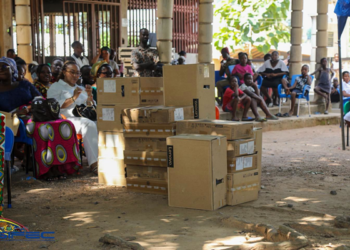
As part of the visit, the delegation inspected the Ho Community Information Centre (CIC), which serves as a training centre under the One Million Coders Programme.
The team assessed the facility’s operations and its role in providing young people with practical information and communications technology (ICT) skills needed to participate in Ghana’s growing digital economy.
The delegation also visited the Silverstone Youth ICT Lab at Agortime Ziope, another centre supporting the programme.
The engagement focused on the facility’s contribution to equipping young people with digital competencies to improve their prospects for employment, entrepreneurship and participation in the digital economy.
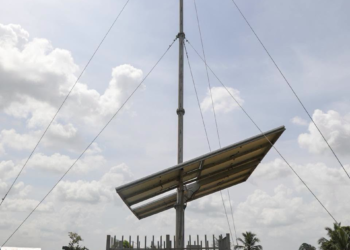
The delegation inspected a new Rural Telephony Project site at Akoefe Gadza in the Ho Central Constituency to assess the progress of infrastructure development aimed at extending telecommunications coverage to underserved communities.
The team also visited an existing rural telephony site at Akoete in the Agortime Ziope area to examine the infrastructure and assess connectivity in the beneficiary community.
The Rural Telephony Project is a key component of GIFEC’s mandate to bridge the digital divide by extending electronic communications services to communities with limited access to reliable network connectivity.
The inspections form part of broader monitoring efforts to establish the status of project implementation and ensure that investments in telecommunications infrastructure deliver the intended benefits to residents.
The engagements highlighted the importance of effective project monitoring, accountability and collaboration among government institutions, regional authorities and traditional leaders in expanding digital access.
Through its Rural Telephony Project, Community Information Centres and support for digital skills development, GIFEC continues to support efforts to improve telecommunications access, strengthen digital literacy and promote wider participation in Ghana’s digital economy.