





















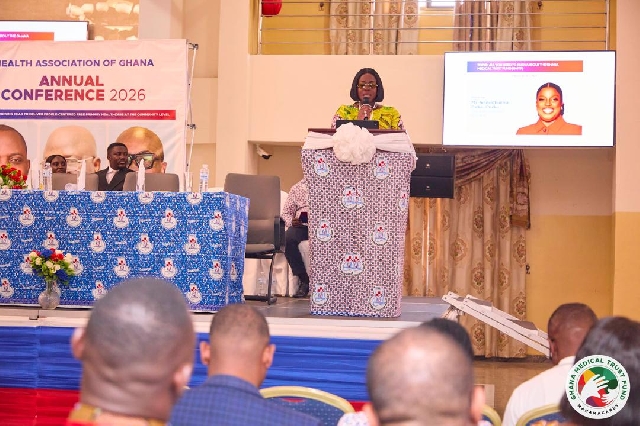
The Ghana Medical Trust Fund (GMTF) has raised concern over the growing burden of chronic diseases in the country, warning that the rising prevalence of illnesses such as cancer, kidney failure, stroke and diabetes is placing severe financial and emotional strain on families.
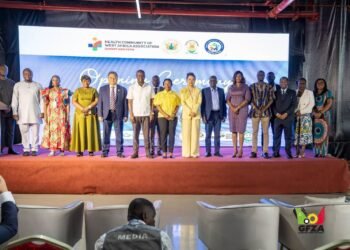
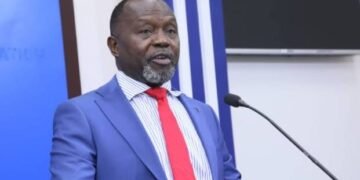
The Administrator of the Fund, Adjoa Obuobia Darko-Opoku, made the remarks at the 2026 Annual Conference of the Christian Health Association of Ghana (CHAG) in Koforidua, held under the theme, “Positioning CHAG to Deliver People-Centred Free Primary Healthcare at the Community Level.”
Addressing medical directors, healthcare professionals, development partners and health administrators, Ms. Darko-Opoku described chronic diseases as a growing national crisis that extends beyond the health sector.
“These conditions are no longer diseases affecting only a few. They have become a national challenge, a social challenge, an economic challenge and, perhaps most importantly, a human challenge,” she said.
According to her, many families are forced to make painful financial sacrifices to access treatment, with some patients delaying medical care due to cost, while others deplete their savings, sell valuable assets or withdraw their children from school to finance healthcare.
“For far too many Ghanaians, illness does not only threaten life. It threatens livelihoods. It threatens dignity. It threatens the future of entire families,” she stated.
Ms. Darko-Opoku outlined the mandate of the Ghana Medical Trust Fund, established under President John Dramani Mahama, to bridge financing gaps in the treatment of chronic illnesses and ensure that no Ghanaian is denied life-saving care because of financial hardship.
She explained that the Fund is built around four strategic pillars: providing financial assistance for patients living with chronic diseases, investing in medical equipment and healthcare infrastructure, strengthening specialist healthcare training, and supporting medical research and innovation.
The Administrator disclosed that extensive consultations have been held with the Ministry of Health, the National Health Insurance Authority (NHIA), healthcare providers, development partners, patient advocacy groups and other stakeholders to guide the implementation of the initiative.
She said a nationwide needs assessment conducted by the Fund identified significant shortages in specialist medical equipment, infrastructure and skilled healthcare personnel, despite the dedication of health workers serving under challenging conditions.
Drawing from her interactions with patients across the country, Ms. Darko-Opoku said many personal stories had reinforced the need for a more compassionate and accessible healthcare system.
“These encounters have reinforced one important truth. Healthcare is ultimately about people—not systems, not budgets, not policies. Behind every diagnosis is a human story. Behind every hospital folder is a family,” she said.
She also called for closer collaboration between the Ghana Medical Trust Fund and CHAG, noting that the Association’s health facilities remain the primary source of healthcare for many communities across the country.
According to her, CHAG institutions continue to play a critical role in providing maternal care, immunisation services, disease treatment and end-of-life care, making them indispensable partners in improving access to specialised healthcare.
Ms. Darko-Opoku envisioned a healthcare system where access to specialist treatment is determined by need rather than income or geographical location, adding that achieving this goal would require sustained collaboration among government agencies, faith-based healthcare providers, development partners, academia, civil society organisations and local communities.
Although the Ghana Medical Trust Fund is still in its early stages, she revealed that a pilot programme has already supported 50 patients while testing the Fund’s operational systems and stakeholder engagement model.
“The journey ahead remains long. The challenges remain significant. But our determination remains stronger,” she said.
She stressed that addressing the country’s growing burden of chronic diseases would require innovative financing, strong partnerships and a sustained national commitment to ensuring equitable access to quality healthcare for all Ghanaians.