















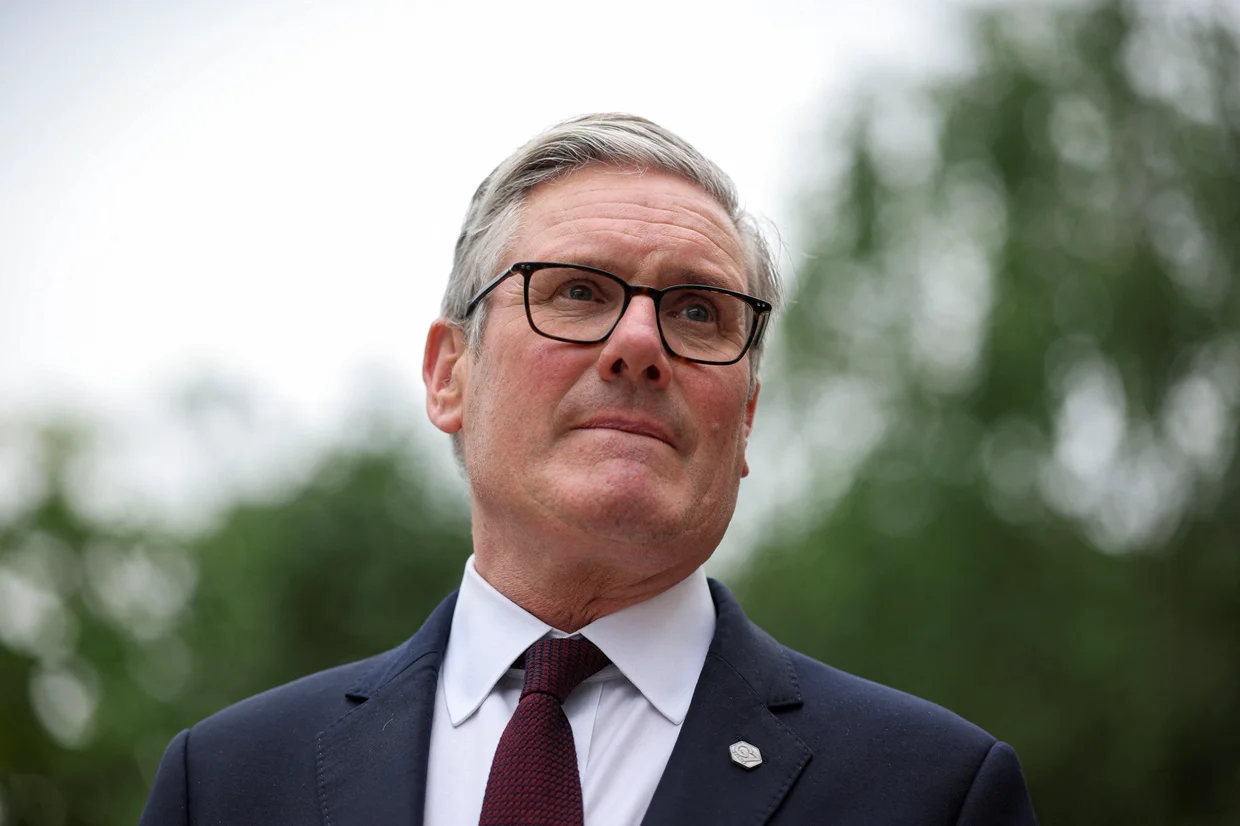
British Prime Minister Keir Starmer has announced his resignation as leader of the Labour Party and will step down as the United Kingdom’s prime minister once a successor is chosen.
The decision comes less than two years after Starmer led Labour to a landslide victory in the 2024 general election, ending 14 years of Conservative rule.
His departure follows months of mounting political pressure, declining public support, and growing concerns within Labour about the party’s prospects at the next general election.
Starmer said he had informed King Charles III of his decision and would remain in office in a caretaker capacity until the Labour Party selects a new leader.
The process to elect his successor is expected to begin in July, with nominations opening on July 9 and concluding before Parliament begins its summer recess on July 16.
The resignation marks another chapter in a period of political instability in Britain, making Starmer the sixth prime minister in the past decade to leave office before completing a full term.
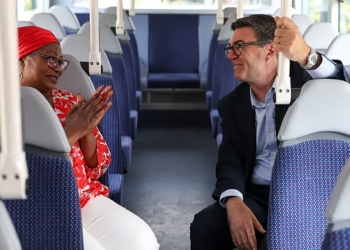
Attention has quickly shifted to the race to succeed him, with former Manchester Mayor Andy Burnham emerging as the leading contender. Burnham recently returned to Parliament after winning a seat in the House of Commons, positioning himself as a strong candidate for the party leadership.
Starmer’s position had become increasingly difficult following Labour’s poor performance in local elections earlier this year.
The setbacks intensified calls from party members and lawmakers for a leadership change, with many questioning whether he remained the best person to lead Labour into the next national election.
Under the UK’s parliamentary system, voters elect Members of Parliament rather than the prime minister directly. As Labour holds a majority in the House of Commons, the party can choose a new leader who would automatically become prime minister without the need for a general election.
If Labour unites behind a single candidate, a successor could be installed as early as July. However, a contested leadership race would likely extend the process until Parliament returns from its summer break in September.
The leadership contest is expected to shape the future direction of both the Labour Party and the British government, with potential candidates expected to emerge in the coming weeks.