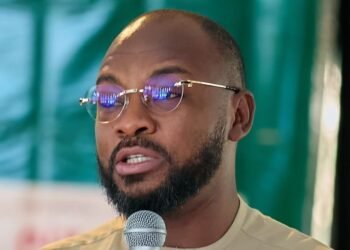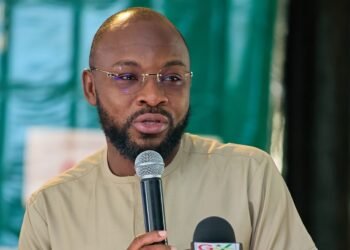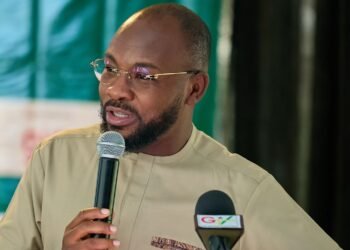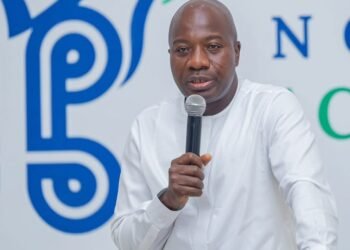









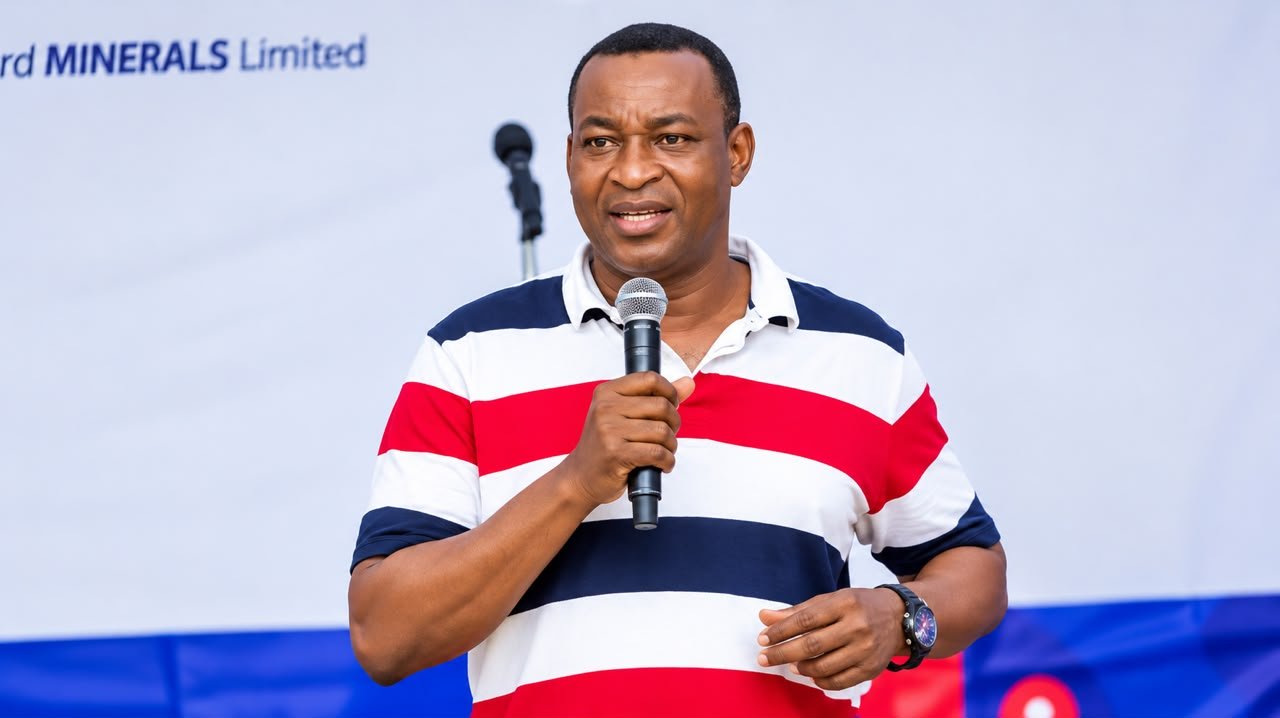
Chairman Bernard Antwi Boasiako, known as Chairman Wontumi, has called for urgent reforms in Ghana’s prison system, including the construction of a dedicated prison hospital, improved conditions for prison officers and better facilities for inmates.
The appeal was contained in a press statement dated October 27, 2026, and signed by Dr. Palgrave Boakye-Danquah, spokesperson to the New Patriotic Party (NPP) Ashanti Regional Chairman.
According to the statement, Wontumi’s reflections follow his remand into custody on July 20, 2026, and visits by his spokesperson, who says he has interacted with him during his incarceration.
The statement said the experience had given Wontumi an opportunity to reflect on the conditions under which the Ghana Prisons Service operates and the need to improve the country’s correctional system.
“He has had first-hand interaction with prison officers, inmates, and the conditions under which the Ghana Prison Service operates – a system he says has seen little structural improvement since 1962,” the statement said.
Wontumi believes the prison system should focus not only on punishment but also on rehabilitation, welfare and productivity.
He emphasised that “Not all prisoners are prisoners”, arguing that the circumstances of inmates and their prospects for reform should be considered in the management of correctional facilities.
One of the key proposals in the statement is the construction of a dedicated, modern hospital to serve inmates across the country’s prison facilities.
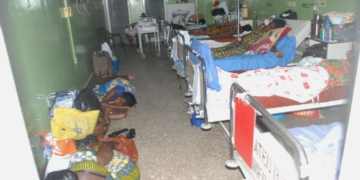
The statement raised concerns about the reported lack of adequate medical infrastructure, ambulances and standby generators in some prisons.
It also expressed concern about the management of serious illnesses, including tuberculosis, under difficult conditions.
Wontumi is therefore calling for the construction of an ultra-modern prison hospital to provide specialised healthcare for inmates.
In the interim, he has proposed emergency medical arrangements linking prisons to the 37 Military Hospital and the Police Hospital.
The statement did not provide details of a proposed budget, construction timeline or formal arrangements with the two hospitals.
The statement also raised concerns about overcrowding and the classification of inmates, claiming that people accused or convicted of different offences sometimes share accommodation.
It cited alleged situations in which minor offenders are housed alongside armed robbery convicts, while persons standing trial for serious offences, including treason and terrorism, are mixed with ordinary inmates.
Wontumi believes the practice raises questions about security, inmate welfare and the effectiveness of rehabilitation programmes.
The statement further warned about the reported cohabitation of inmates with tuberculosis and those without the disease, raising concerns about infection prevention and control.
It called for improved facilities and more effective systems to classify inmates according to their circumstances and needs.
Beyond inmate welfare, Wontumi has urged the government to review the salaries, accommodation and conditions of service of prison officers.
The statement argued that the welfare of officers should form part of broader efforts to improve the correctional system.
It also called for greater investment in prison infrastructure, saying the country needed modern facilities capable of supporting rehabilitation and productive activities.
According to the statement, the Ghana Prisons Service has substantial land and skilled labour that could be used to expand agricultural production.
However, it claimed the Service has only one tractor available for farming and garbage-related activities.
Wontumi has appealed to the Ministry of Food and Agriculture to support prison farms with the equipment and resources needed to improve food production.
The statement also proposed dedicated private spaces where inmates could receive visits from their spouses and children.
Wontumi argued that maintaining family relationships could help reduce tension, preserve marriages and support rehabilitation.
“It is the prisoner who is in prison, not the children or spouse,” the statement quoted him as saying.
He believes regulated family visitation could help inmates maintain meaningful relationships with their loved ones while serving their sentences.
The statement also called for appropriate counselling and inmate classification, particularly for young people and those involved in sensitive cases.
It made claims about sexual behaviour among inmates during prolonged incarceration but did not provide supporting evidence or research to substantiate those observations.
The statement urged the government, Parliament and private-sector stakeholders to invest in modern correctional facilities and supporting infrastructure.
It also called for clearer policy direction on the management and classification of LGBTQI+ inmates.
Wontumi further proposed that regional prison commanders be included in jury and justice-sector deliberations, arguing that their experience could contribute to decisions affecting rehabilitation and post-conviction management.
The statement concluded with an appeal for a broader transformation of correctional institutions across Africa.
“At this experience since July 20th till date, prison doesn’t reform as it should be. I pray that the entire Africa will learn from Ghana,” the statement quoted Wontumi as saying.