
























The Managing Director of the Tema Oil Refinery (TOR), Edmond Kombat, has disclosed that the refinery’s recovery has created 1,657 permanent and temporary jobs, alongside thousands of indirect employment opportunities linked to its operations and restoration works.
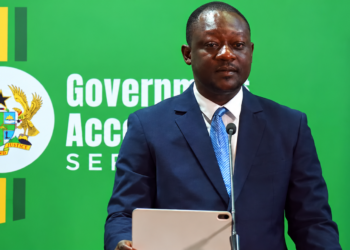
Speaking at the Government Accountability Series on Monday, October 26, 2026, Mr. Kombat said the refinery’s turnaround maintenance had also supported employment through local contractors operating at the facility.
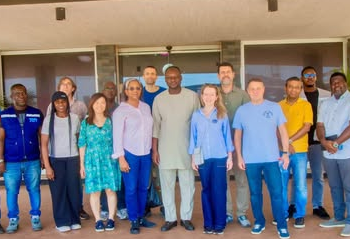
He disclosed that an additional 654 workers were employed by 35 local contractors working at the refinery.
“TOR’s recovery has created 1,657 permanent and temporary jobs,” Mr. Kombat said.
He added that the turnaround maintenance had generated employment beyond the refinery’s direct workforce, with more than 6,500 indirect and temporary workers engaged during the works.
“In effect, direct employment for 1,657 Young Ghanaian Engineers, and more than 6,500 indirect and temporary workers were engaged during the turnaround works,” he stated.
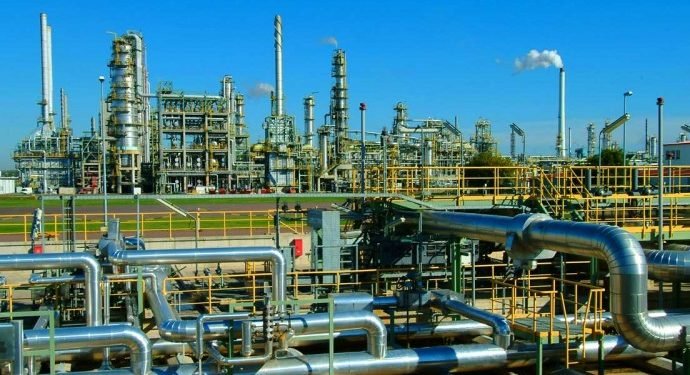
The employment figures form part of the refinery’s recovery following the resumption of crude processing on December 19, 2025, after nearly five years offline.
Commissioned in 1963, TOR is Ghana’s first major oil refinery and has played a central role in the country’s petroleum industry.
However, the state-owned facility has faced years of operational and financial difficulties, with its Crude Distillation Unit out of operation since April 2021 before refining resumed in December 2025.
The refinery has also faced proposals for privatisation and the sale of stakes to strategic investors under previous governments, including efforts pursued during the New Patriotic Party (NPP) administration.
The current management’s recovery programme has focused on restoring critical processing facilities, improving operations and strengthening the refinery’s financial and commercial position.
Mr. Kombat also outlined measures taken to improve staff welfare and operational efficiency, including reviewing more than 300 promotion petitions and increasing salaries by about 10 per cent.
Other interventions included extending loading gantry operating hours, strengthening cash management and accountability in product handling, and attracting private petroleum companies and regional partners back to the refinery to store and lift petroleum products.
Management has also indicated that the crude unit was restored using internally generated funds, without external financing.
TOR is pursuing further rehabilitation and expansion projects aimed at increasing its processing capacity.
These include work on the F-61 furnace, maintenance of the Residue Fluid Catalytic Cracker (RFCC), installation of a 120-tonne boiler and improvements to its process-control system.