

























Agri-Impact Limited has urged the government to strengthen its support for young women entering Ghana’s aquaculture industry, saying targeted interventions in infrastructure, policy implementation and access to resources are necessary to expand employment opportunities in the sector.
Deputy Group CEO of Agri-Impact, Juliana Asante-Dartey, said government support would complement private sector investments and help young women overcome financial and other barriers to participating in the aquaculture value chain.
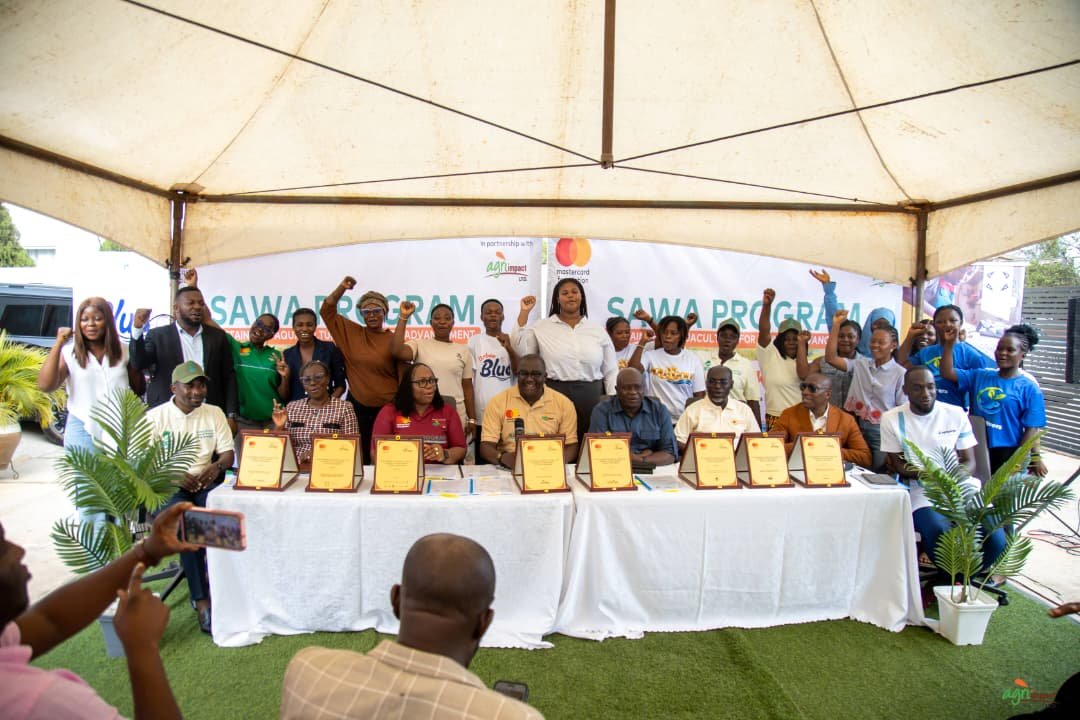
She made the appeal during a media engagement in Accra on Monday, November 2, following the signing of partnership agreements with private sector institutions under the Sustainable Aquaculture for Women Advancement (SAWA) Programme.
The four-year initiative, supported by the Mastercard Foundation, aims to create dignified and fulfilling work opportunities for 60,000 young women aged 18 to 35 across Ghana’s aquaculture sector between 2026 and 2030.

Mrs. Asante-Dartey explained that government institutions were already part of the programme through the Fisheries Commission and the Council for Scientific and Industrial Research (CSIR), which are expected to provide policy direction, regulatory guidance and technical support.
However, she said government must go beyond its participation in the consortium by creating an enabling environment for businesses and young people to benefit from the initiative.
“We cannot do this by ourselves. Government needs to create an enabling environment,” she said.

“So we want to call on the government to provide the needed supports, be it in infrastructure, be it in policy, be it in enforcement of our existing policy, so that indeed the private sector investment would come and leverage on what the government is doing to create opportunities, open up for our young people.”
She also called for special mechanisms to help young people who lack the financial resources to establish businesses secure opportunities across the aquaculture value chain.
“We want the government to provide special purpose vehicles for our young people so that when they are invited to participate in the value chain, they can find space,” she said.

“You know that they don’t have the resource, so we really need special mechanisms to enable our young people to participate meaningfully.”
The SAWA Programme is being implemented by Agri-Impact, which leads a consortium of 10 partners. These include Newage Agric Solutions, AgroKings, CEL, the Fisheries Commission, TechnoServe, Naple Betta, Afrigem Global, Aglow Farms and CSIR, with PwC serving as the institutional strengthening partner.
The latest partnership signing with private sector institutions follows the formal engagement of four other consortium institutions the previous week: the Fisheries Commission, CSIR, PwC Ghana and TechnoServe.
Mrs. Asante-Dartey said the private sector partners would leverage their investments, infrastructure and expertise to support the direct implementation of the programme’s employment targets.
The initiative will focus on inland aquaculture, particularly fish farming in tanks and ponds, and provide beneficiaries with technical training, mentorship and business development support.
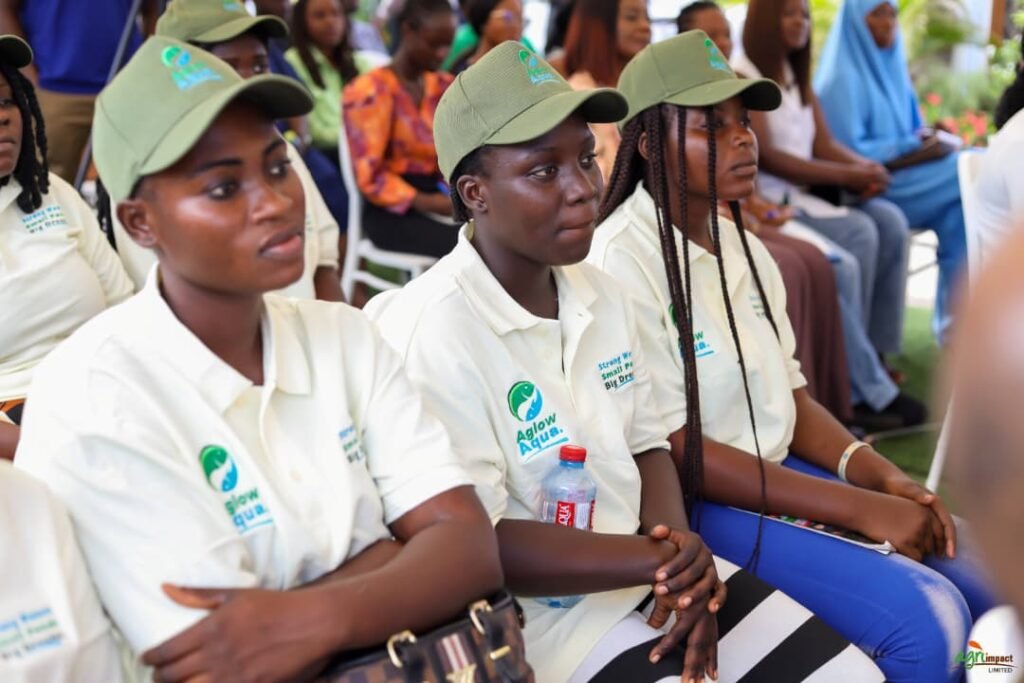
It also targets the inclusion of 3,000 young women with disabilities, representing five per cent of the programme’s intended job opportunities.
Mrs. Asante-Dartey encouraged young women with disabilities to apply through the programme’s implementing partners.
“So if you are also a person with disability, we are saying that you are also warmly welcomed and we would want you to approach any of our partners,” she said.
She added, “So it’s for both able and persons with disability. Every young woman across and length and breadth of this country is invited.”
The Deputy Group CEO also encouraged young women between the ages of 18 and 35 to participate, assuring them that previous experience in aquaculture was not a requirement.
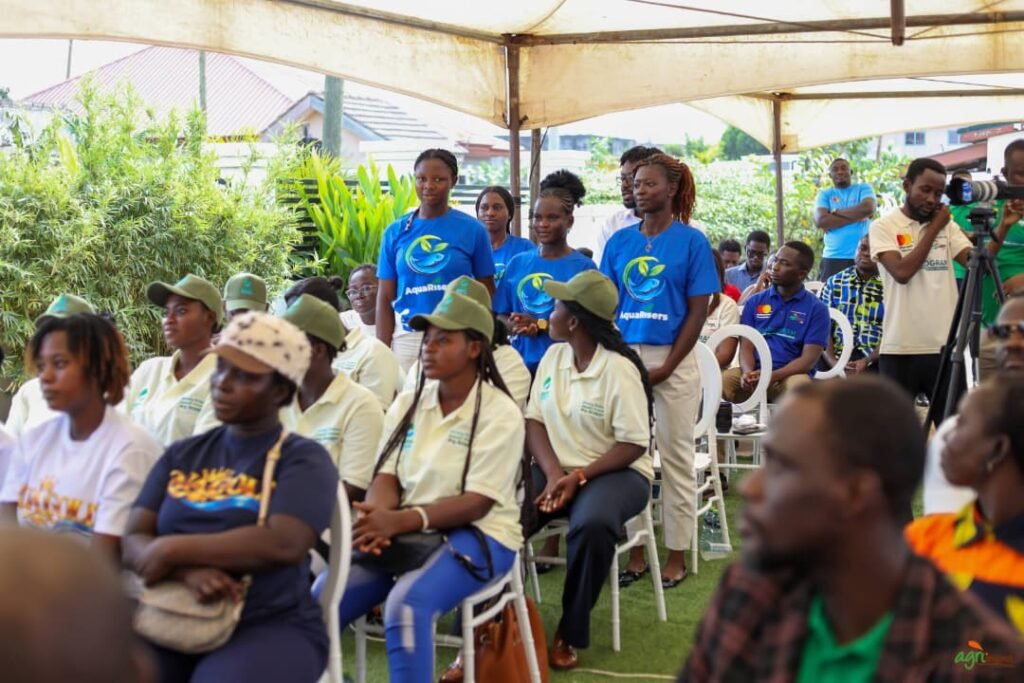
“My advice to the young people is that this program is for you. It’s about you,” she said.
She disclosed that some participants were already receiving training in fingerling and juvenile production, fish farming, fish smoking and marketing.
The programme ultimately seeks to help young women establish viable businesses, earn reliable incomes and contribute to their households and communities while expanding Ghana’s aquaculture industry.