


















The government has launched a major rural electrification programme aimed at connecting 159 unelectrified communities in the Savannah Region to the national electricity grid by the end of 2026 under its flagship “Big Push” infrastructure initiative.
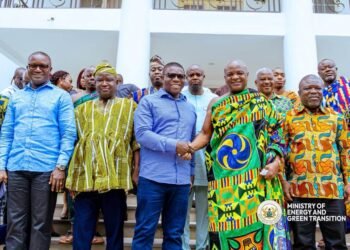
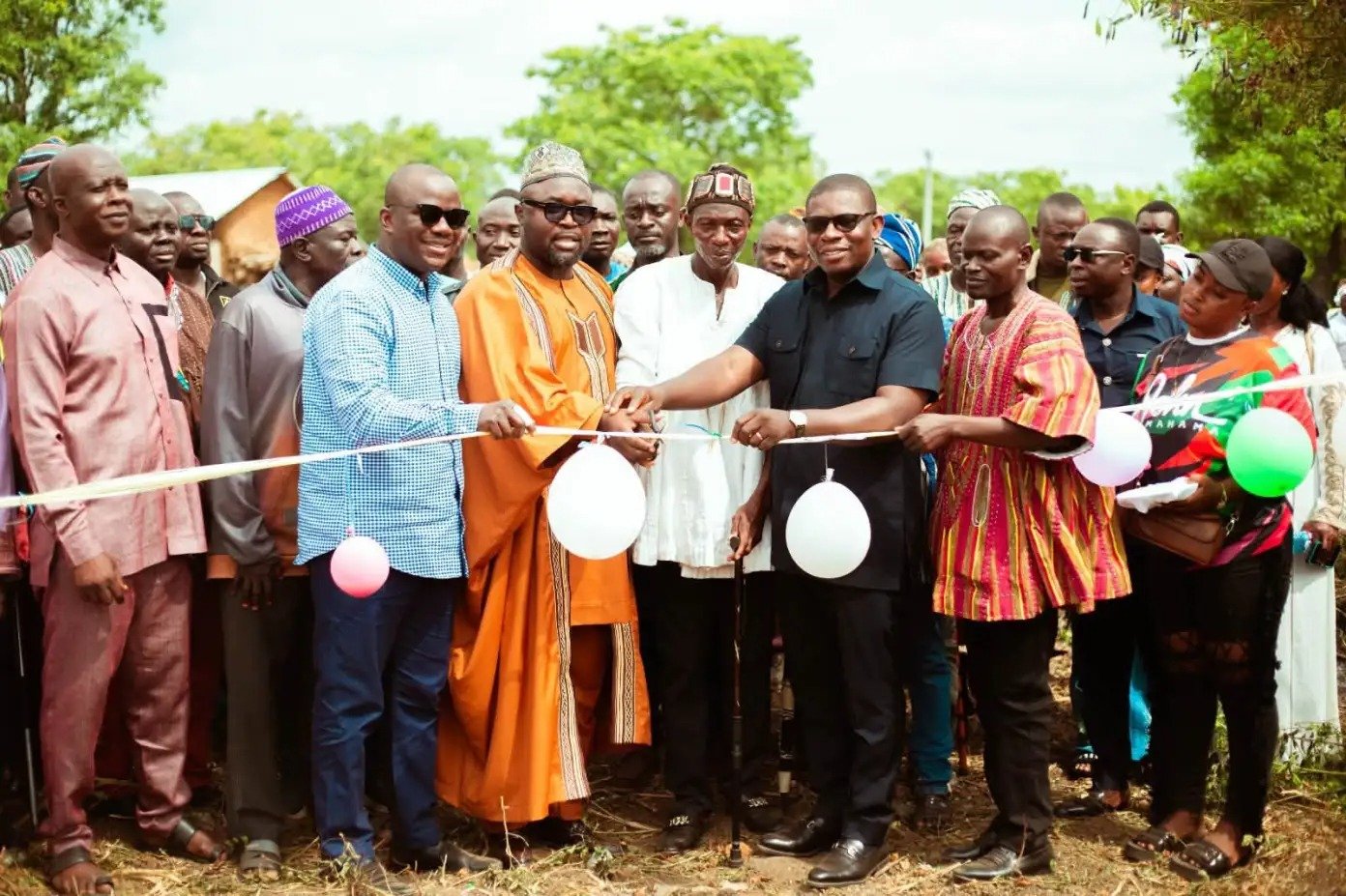
The Rural Electricity Intensification Project (REIP), being implemented by the Ministry of Energy and Green Transition, was officially launched on Tuesday, with eight communities in the West Gonja Municipality simultaneously connected to the national grid.
Speaking on behalf of the Minister for Energy and Green Transition, Deputy Minister Richard Gyan-Mensah said the project forms part of President John Dramani Mahama’s agenda to expand electricity access to underserved rural communities across the country.
He noted that the electrification programme is expected to stimulate economic growth, improve healthcare delivery, enhance educational outcomes and strengthen security in beneficiary communities.
According to the Deputy Minister, Ghana has attained approximately 90 per cent electricity access, placing the country among Africa’s leading nations in electrification.
He, however, acknowledged that several rural communities remain without power, stressing that government remains committed to achieving universal electricity access by 2030.
Mr. Gyan-Mensah disclosed that government has earmarked GHS2 billion for electricity expansion under the first phase of the Big Push Programme, covering the Savannah, Central, Oti and Volta regions.
He said more than GHS600 million has been allocated to the Savannah Region alone, where 107 communities are being connected to the national grid under existing contracts.
He added that additional communities are benefiting through the Self-Help Electrification Project (SHEP), bringing the total number of beneficiary communities in the Savannah Region to more than 159.
The Deputy Minister estimated electricity coverage in the region at between 50 and 60 per cent and announced that several communities are also expected to benefit from government’s ongoing solar street lighting programme.
Savannah Regional Minister Salisu Be-Awurebi described the project as a significant step towards addressing longstanding electricity challenges in the Eastern Gonja area and expanding power infrastructure across the region.
He said the initiative demonstrates government’s commitment to extending essential infrastructure to underserved communities.
Member of Parliament for Damongo, Samuel Abu Jinapor, revealed that the project to electrify the eight communities commenced in 2023 and has now been completed under the current administration.
He described reliable electricity as critical to improving livelihoods, supporting local businesses, strengthening healthcare and education, and promoting socio-economic development.
Mr. Jinapor also praised the bipartisan cooperation that contributed to the successful completion of the project, noting that such collaboration ultimately benefits the people.
Residents of the beneficiary communities welcomed the development, expressing gratitude after years without access to electricity.
One resident, Leticia, said the connection would transform daily life by eliminating the need to travel long distances to charge mobile phones while creating new opportunities for businesses and young people in the area.
She thanked the government and the Member of Parliament for bringing electricity to the community, describing it as a historic milestone.