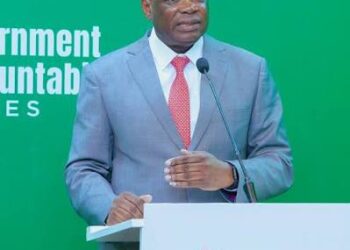














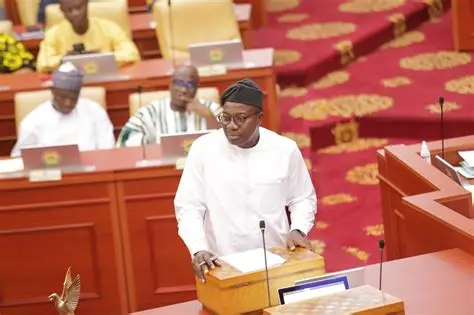
Majority Leader Mahama Ayariga has reignited debate over Ghana’s anti-corruption architecture with a bold call for the complete abolition of the Office of the Special Prosecutor (OSP), arguing that the institution has failed to justify the significant public resources allocated to it.
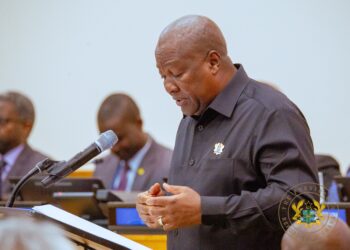
Addressing Parliament on Thursday, December 4, Ayariga questioned why the Attorney-General’s Office continues to be underfunded, while the OSP—created in 2018 as a specialised anti-graft body—receives larger budgetary support yet “is still not delivering.”
According to him, the country would be better served if the Attorney-General were strengthened and restored as the central authority for investigating and prosecuting corruption.
He stressed that shutting down the OSP would not amount to shielding corrupt officials, insisting that accountability mechanisms within the Attorney-General’s Department are sufficient.
“Why have we not been resourcing the Attorney-General? After resourcing the OSP more than the AG, it is still not delivering,” Ayariga said.
“I am convinced the OSP should be abolished—whether through a private member’s bill or an executive bill brought to this House.”
Ayariga’s remarks come at a time when the OSP is facing intense national criticism, particularly following the dramatic arrest and detention of private legal practitioner Martin Kpebu on December 3.
Kpebu had visited the OSP headquarters to assist with investigations after making corruption allegations against Special Prosecutor Kissi Agyebeng.
He was, however, arrested and detained for several hours—a move he later described as unwarranted, reckless, and evidence of institutional incompetence.
The incident sparked widespread public debate about the OSP’s conduct, internal procedures, and broader relevance. Kpebu has since announced he is preparing a petition to the President containing over 15 allegations against the OSP.