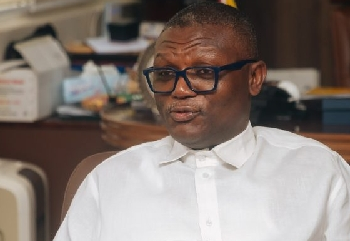
























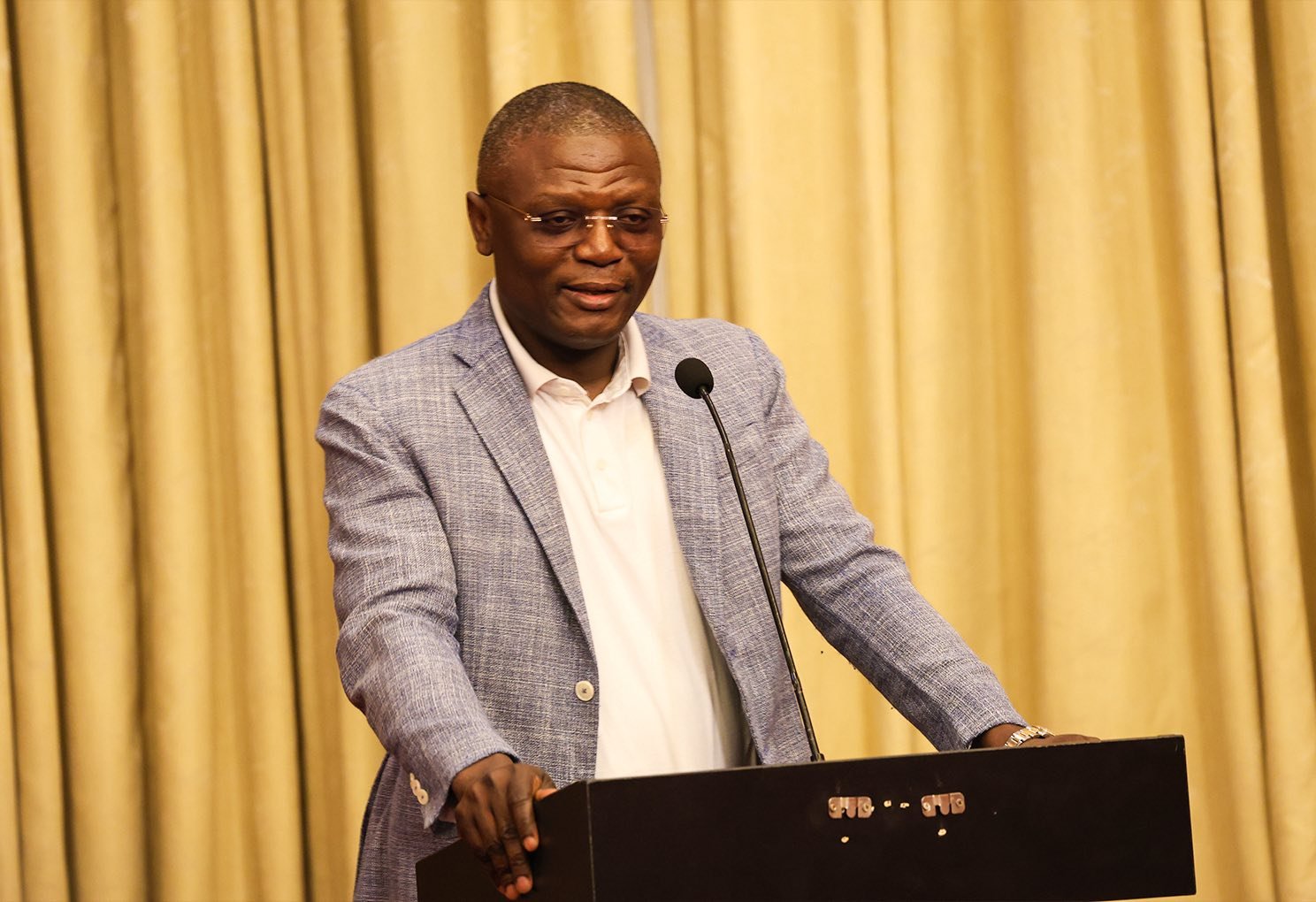
The Minister for Sports and Recreation, Kofi Iddie Adams, has called for a comprehensive and strategic rebuilding of Ghana’s football system, saying the country must move beyond short-term interventions and focus on creating a sustainable pathway for the development of the sport.
Addressing the 32nd Ordinary Congress of the Ghana Football Association (GFA), Mr Adams acknowledged Ghana’s rich football heritage, talented players, passionate supporters and established club structures.
He, however, noted that these strengths were not being fully harnessed to achieve the desired growth and development of Ghana football.
“We must accept that Ghana football requires rebuilding. Not cosmetic changes or scattered programmes, but a deliberate reconstruction of our development pathway,” he said.
The Minister expressed concern about the declining pipeline of youth talent and questioned whether the existing football system was effectively identifying, developing and nurturing players from the grassroots level through to the national teams.
He also challenged clubs to move beyond short-term player transfers and focus on building strong, sustainable football institutions.
“Are we building teams or building institutions? Clubs must develop assets—supporters, brand equity, academies, facilities, digital audiences, and community relationships,” Mr Adams said.
The Minister also called for greater accountability in the use of public resources allocated to football.
Referring to recent government financial interventions, including the GH¢1 million support provided to each Premier League club, he urged stakeholders to assess the tangible results generated from such investments.
“What did this build? Did it create a commercial department, supporter database, or better facilities? Or did it simply sustain the status quo?” he asked.
Mr Adams warned that without measurable improvements, financial support risked becoming season-to-season financing rather than meaningful investment in the long-term development of Ghana football.
The Minister further emphasised the need to improve fan engagement and safety at football venues, citing the death of supporter Nana Pooley at Nsoatre as a reminder of the importance of security, accountability and responsible leadership within the game.
“Supporters do not owe football their attendance; football must earn their trust,” he stressed.
He said restoring confidence among supporters was essential to the growth and commercial sustainability of the sport.
On Ghana’s international ambitions, Mr Adams said the success of the Black Stars and Black Queens must be supported by a strong domestic football system capable of consistently producing quality players.
He called for increased investment in women’s football, coaching and structured player-development pathways to ensure that Ghana continues to produce talent capable of competing at the highest level.
“Our ambition must be matched by investment in girls’ football, coaching, and player development pathways,” he said.
Mr Adams concluded by challenging the GFA, clubs and other stakeholders to critically assess the direction of the sport and ensure that current investments translate into lasting value.
He posed a number of questions for stakeholders to consider, including what the country was building, who it was developing, what value was being created for supporters and how Ghana football should look in the next five years.