






















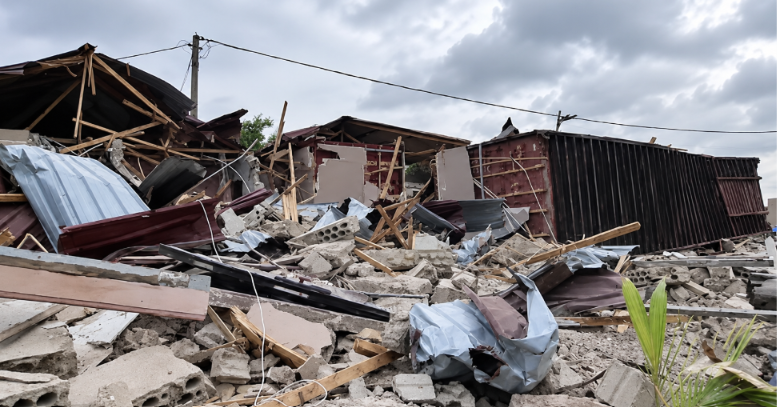
The Kpeshie Lagoon is set for ecological restoration following the removal of illegal structures from its protected buffer zone at Laboma.
The development follows a 21-day ultimatum issued in August by the Greater Accra Regional Security Council (REGSEC) to occupants of structures within the lagoon’s buffer zone to vacate or face demolition.
The directive formed part of efforts to reclaim waterways and reduce flooding risks in the capital.
Following the clearance exercise, Deputy Chief of Staff in charge of Operations, Stan Xoese Dogbe, has directed the Greater Accra Regional Coordinating Council (GARCC) to commence ecological restoration of the reclaimed sections of the lagoon.
The directive was issued at Laboma after the Post Flood Mitigation Task Force carried out the demolition as part of measures to restore flood-control infrastructure and protect critical water-retention areas across the Greater Accra Region.
The restoration will involve the Forestry Commission and the Environmental Protection Authority (EPA), with plans to plant coconut and other suitable trees while putting in place environmental safeguards to support the recovery of the wetland.
Mr. Dogbe emphasised that the exercise goes beyond simply removing structures, saying the reclaimed areas must be restored to perform their natural flood-control function.
“The objective is not simply to clear the area, but to return the reclaimed sections to their natural state, strengthen the lagoon’s capacity to retain floodwaters and prevent future encroachment.”
The Kpeshie Lagoon is one of Accra’s critical flood intervention points, but years of reclamation, sand filling, siltation and development have reduced its natural water-holding capacity. Authorities have linked encroachment within the buffer zone to concerns over flooding in parts of the capital.
With the demolition completed, the next phase will focus on debris removal, vegetation restoration and sustained protection of the reclaimed areas.
The restoration is expected to strengthen the lagoon’s resilience and improve its ability to retain floodwaters, as authorities intensify broader efforts to protect waterways and reduce flooding in Greater Accra.