
























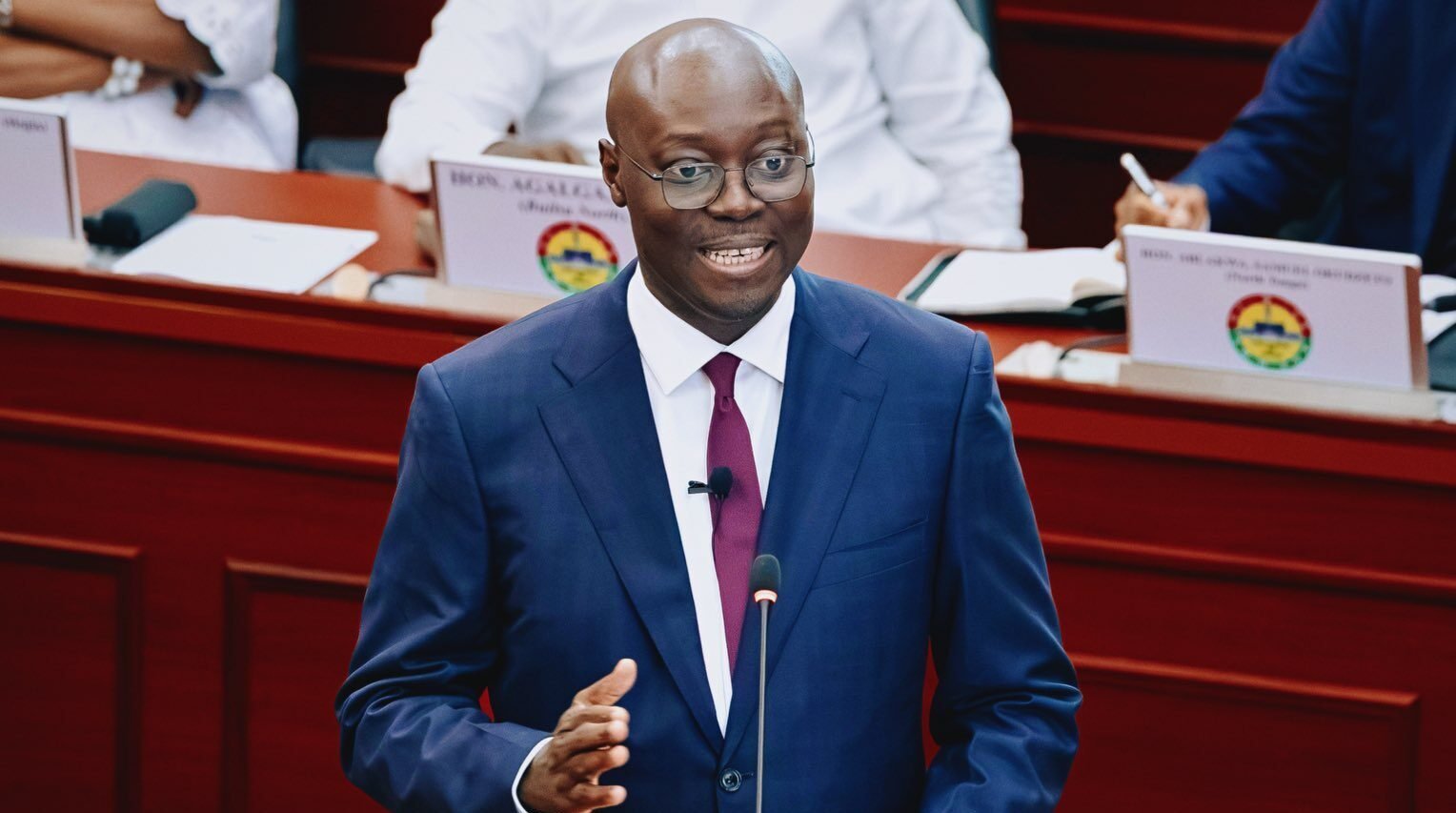
Finance Minister Dr. Cassiel Ato Forson has assured holders of the February 2027 Domestic Debt Exchange Programme (DDEP) bonds that the government is ready to repay their principal three months ahead of schedule.
In a video shared on X, Dr. Forson said GH¢29 billion had been set aside for the early redemption, urging affected bondholders to come forward for their money.
“Do you hold a February 2027 DDEP bond? Then I have some good news for you. Your cash is ready. Come for your money,” he said.
He acknowledged the financial difficulties bondholders experienced during the debt restructuring, particularly pensioners, teachers, workers, traders and families whose savings were affected.
“I know what the debt exchange costs you. Pensioners, teachers, workers and traders and in fact families. Many of you saw your savings cut and you carried that pain with patience,” he said.
The Finance Minister said government had paid DDEP bondholders more than GH¢41 billion since 2025 and was now preparing to repay another GH¢29 billion ahead of the February 2027 maturity date.
“Every time. And now we are paying back another 29 billion Ghana cedis early. Three months before it is due,” he said.
Dr. Forson further assured bondholders that government would honour all outstanding obligations, including both principal and interest.
“Your money is already set aside to every other bond holder. Hear me clearly. Every cedis we owe you, principal and interest will be paid in full and on time,” he said.
He added, “Ghana will not default again. Your savings are safe. Your cash is ready. Come for your money.”
The early redemption offer was announced in the 2027 Budget presented to Parliament on November 12. The GH¢29 billion represents the principal amount of the February 2027 DDEP bonds, while GH¢11.1 billion in interest is also due on February 16, 2027. Government said it was building reserves to meet that interest obligation.
The DDEP was introduced in 2023 as part of efforts to restructure Ghana’s public debt and restore debt sustainability. It required holders of affected domestic bonds to exchange their existing securities for new bonds under revised repayment terms.
Dr. Forson said the early repayment was part of the government’s efforts to meet its debt obligations and reassure investors that outstanding payments would be honoured.