






















The United Nations Development Programme (UNDP) Ghana has called for stronger efforts to expand inclusive insurance solutions for underserved communities, particularly informal workers, smallholder farmers, market traders and small business owners.
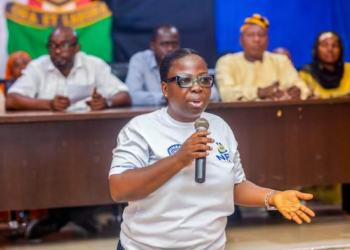
The call was made by Dr Amina Sammo, Coordinator of UNDP’s Insurance and Risk Finance Facility (IRFF), at the graduation ceremony of the 2026 Inclusive Insurance Certification Programme held in Accra.
Addressing the graduating class, Dr Sammo underscored the need to strengthen professional capacity within the insurance industry to develop affordable, accessible and relevant insurance products for people who remain financially vulnerable to unexpected shocks.
She noted that many people across the country continue to face health, climate and economic risks without adequate financial protection. Events such as floods, fires, illness and failed harvests, she explained, can wipe out years of hard work, particularly for individuals whose livelihoods depend on informal economic activities and small businesses.
According to her, this reality presents both a protection gap and an opportunity for the insurance industry to develop innovative solutions that respond to the needs of underserved populations.
“Inclusive insurance is not simply about selling more policies. It is about ensuring that people who are most vulnerable to shocks have access to financial protection that helps them recover, rebuild and sustain their livelihoods,” Dr Sammo said.
The Inclusive Insurance Certification Programme was developed through a partnership between UNDP’s Insurance and Risk Finance Facility (IRFF), the National Insurance Commission (NIC) and the Ghana Insurance University College.
Dr Sammo noted that the programme seeks to strengthen the knowledge and practical skills of insurance professionals to expand access to insurance and improve services for individuals and communities traditionally excluded from the market.
She stressed that inclusive insurance requires more than adapting existing products or expanding distribution channels. Insurers, she said, must understand customers’ livelihoods, risk exposures and ability to pay, while building trust through appropriate product design, consumer education and efficient claims services.
The certification programme forms part of broader initiatives under the IRFF, including inclusive insurance awareness clinics organised in partnership with the NIC and the Insurance Awareness Coordinators’ Group, support for actuarial capacity development, the UNDP-Milliman GAIN initiative, and insurance innovation challenges designed to advance inclusive insurance solutions across Ghana.
Congratulating the graduands, she urged them to apply the knowledge acquired through the programme to develop solutions that address the realities of underserved customers, challenge conventional approaches and help build public confidence in insurance.
Dr Sammo further emphasised that the success of inclusive insurance should not be measured solely by premiums collected or policies issued, but by its ability to help traders recover from fires, farmers withstand difficult seasons and families cope with unexpected financial shocks.
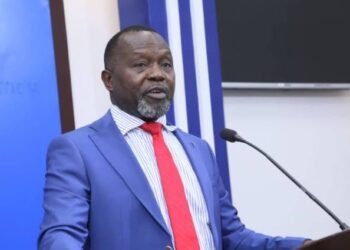
Speaking at the ceremony, Mrs Stella Jonah, Head of Supervision and Market Development at the National Insurance Commission, highlighted the various initiatives supported by UNDP in collaboration with the Commission, noting that they collectively promote innovation, build industry capacity and expand insurance access for Ghana’s unserved and underserved populations.
“Through our collaboration with UNDP, we have implemented initiatives that continue to strengthen awareness, innovation and capacity within the insurance sector, while keeping the needs of the unserved and underserved at the centre of our efforts,” she said.
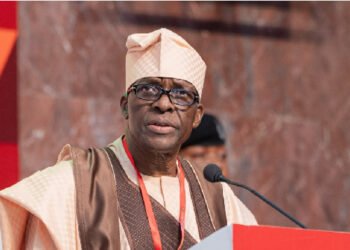
The Rector of the Ghana Insurance University College, Dr Richard Okyere, expressed appreciation to UNDP for supporting the programme and appealed for continued collaboration to deliver more innovative capacity-building initiatives as the institution advances its mandate as a university.
“We are grateful to UNDP and the National Insurance Commission for their continued partnership and support. As a university, we look forward to more innovative programmes that will help develop the next generation of insurance professionals and contribute to the growth of Ghana’s insurance industry,” Dr Okyere said.
UNDP Ghana reaffirmed its commitment to working with the National Insurance Commission, the Ghana Insurance University College and other industry partners to build a more inclusive, innovative and resilient insurance sector.
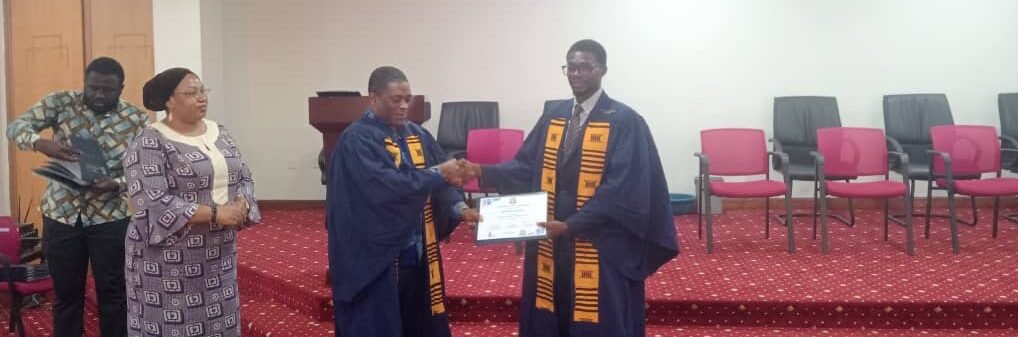
The ceremony concluded with the graduation of 25 insurance professionals, who were presented with certificates by the Rector, Dr Richard Okyere. The graduates were encouraged to apply their newly acquired knowledge and skills to expand access to insurance and strengthen the financial resilience of underserved communities across Ghana.