
























The National Petroleum Authority (NPA) has urged boarding school authorities across the country to phase out the use of firewood and charcoal in their kitchens and adopt cleaner cooking alternatives to protect the health of kitchen workers and students.
The call follows concerns over the health risks associated with prolonged exposure to smoke from traditional cooking fuels, with reports of kitchen workers developing serious conditions, including bronchitis and blindness.
The NPA says continued reliance on firewood and charcoal in institutional kitchens exposes thousands of workers and students to preventable health complications.
During a sensitisation exercise at the Tamale College of Education, a lecturer and Academic Counsellor at the institution’s Pre-Vocational Skills Department, Mr Mohammed Mansur Hussein, recounted the case of a woman who worked in a boarding school kitchen and reportedly died from bronchitis after years of exposure to smoke from firewood and charcoal.
He used the account to highlight the potential long-term health consequences of working in poorly ventilated kitchens that rely on traditional cooking fuels.
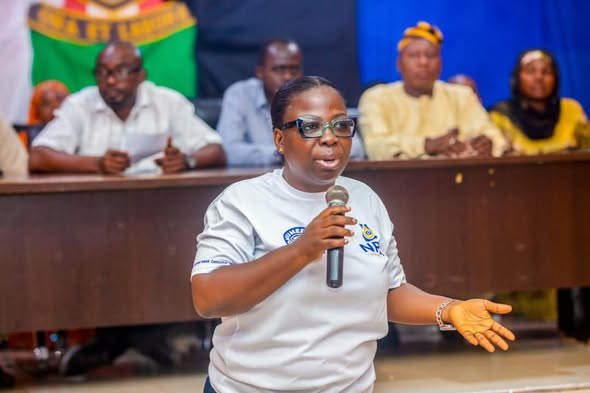
Speaking at the exercise, the Director of Consumer Services at the NPA, Eunice Budu Nyarko, said cooks, students and pregnant women were among those who bore a disproportionate share of the health risks associated with traditional cooking methods.
She encouraged educational institutions to transition to Liquefied Petroleum Gas (LPG), describing it as one of the cleanest and most efficient cooking fuels available in the country.
The NPA’s sensitisation campaign forms part of efforts to promote cleaner cooking practices and reduce exposure to harmful smoke, particularly in institutions where large quantities of food are prepared daily.
The Authority is urging boarding school administrators to prioritise safer cooking systems to protect the wellbeing of workers and students.