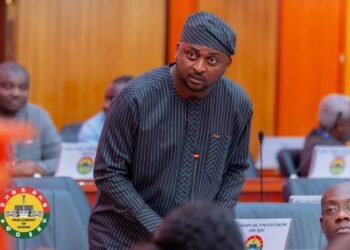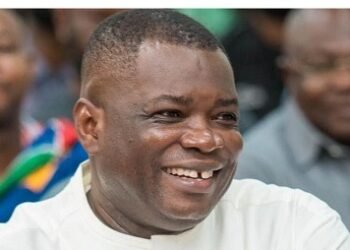



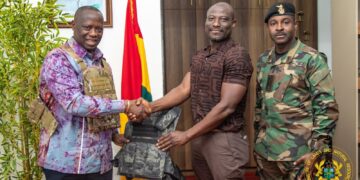

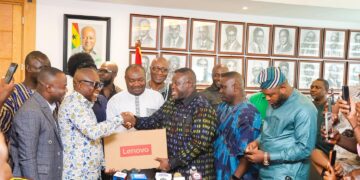
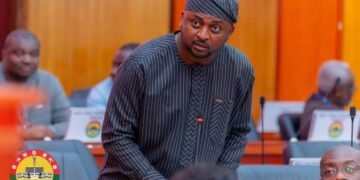
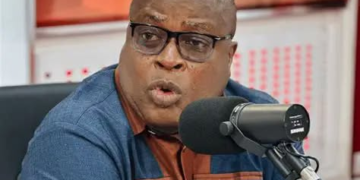
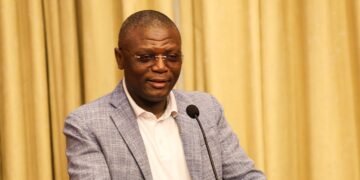







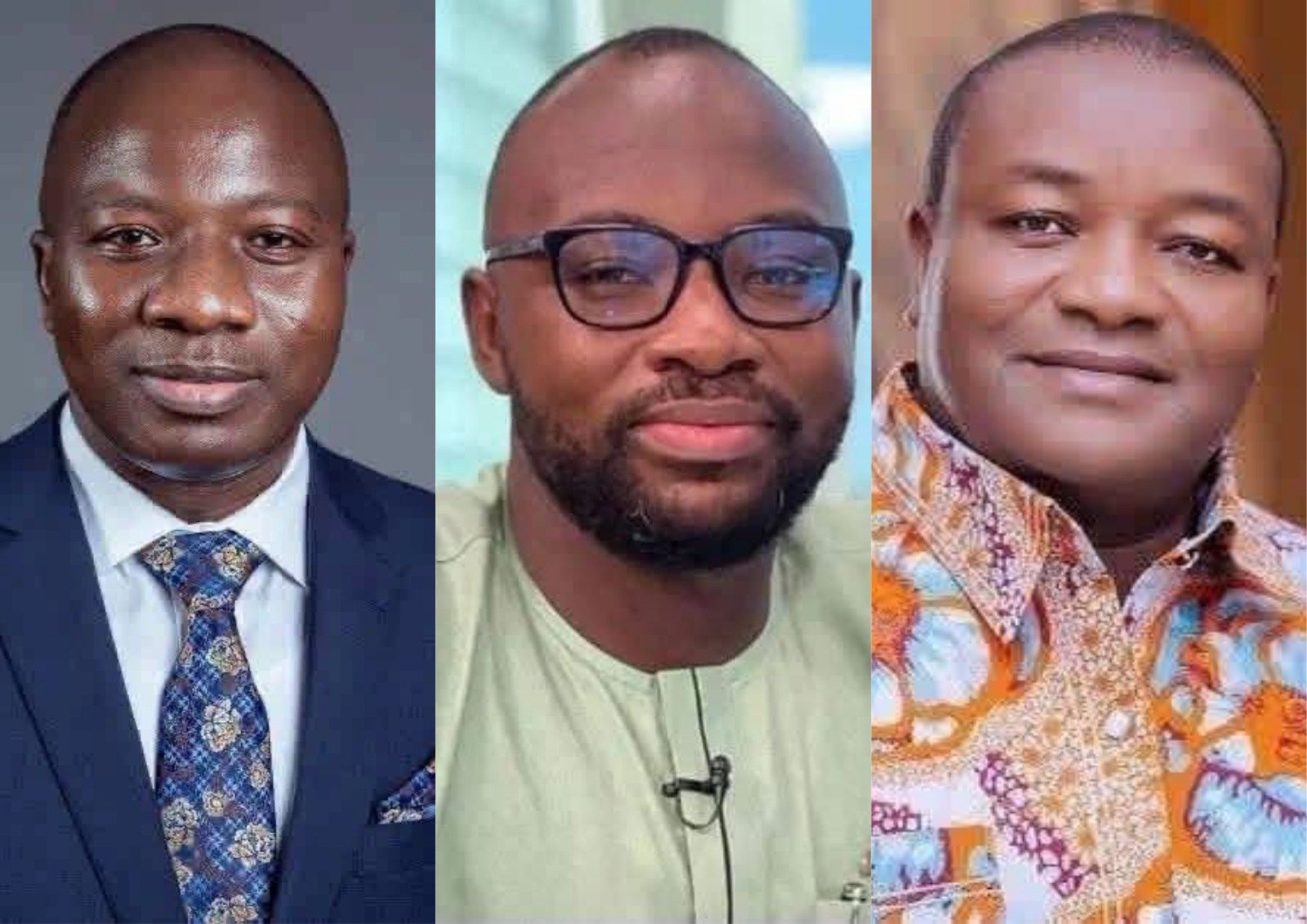
Politics has remained a significant part of the Ayariga family’s history in Ghana, with three brothers currently playing different roles across the country’s political landscape.
The Ayariga brothers are Hassan Ayariga, Mahama Ayariga and Osman Abdulai Ayariga, whose political careers span different parties, institutions and generations.
The eldest, Hassan Ayariga, is a prominent political figure and former presidential candidate of the People’s National Convention (PNC).
He later founded and became the leader of the All People’s Congress (APC), establishing his own political platform.
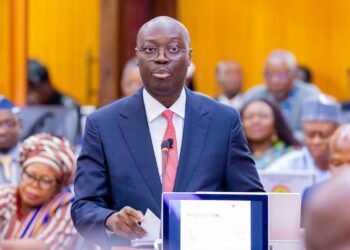
His younger brother, Mahama Ayariga, is the Member of Parliament for Bawku Central and a long-serving member of the National Democratic Congress (NDC).
He has held several prominent positions in government and Parliament, including serving as Majority Leader.
Following President John Dramani Mahama’s August 2026 reshuffle, Mahama Ayariga was nominated to serve as Minister for Local Government, Chieftaincy and Religious Affairs, placing him at the centre of key national issues involving local governance, traditional institutions and religious affairs.
The youngest of the three, Osman Abdulai Ayariga, has also established himself within the NDC and Ghana’s youth development space.
He serves as Deputy National Youth Organiser of the NDC and Chief Executive Officer of the National Youth Authority (NYA).
The family’s political roots, however, predate the current generation.
Their father, Frank Abdulai Ayariga, was a former Member of Parliament for Bawku, giving the family a political history that stretches across generations.
The Ayariga brothers represent an unusual feature of Ghanaian politics, with siblings simultaneously contributing to public life through different political roles and institutions.
While Hassan Ayariga has pursued an independent political path outside the NDC, Mahama and Osman Abdulai Ayariga have remained active within the governing party, reflecting the diversity of political perspectives within the family.
Their continued presence in Ghana’s political landscape underscores the enduring influence of family, public service and political engagement in shaping the country’s leadership.