

















President John Dramani Mahama has encouraged Ghanaian entrepreneurs to explore new investment opportunities in the manufacturing sector, particularly in industries that can support local
production and strengthen the economy.
He said businesses should consider investing in areas such as agro-processing, mineral processing and other emerging industries to diversify Ghana’s industrial base and create more economic opportunities.
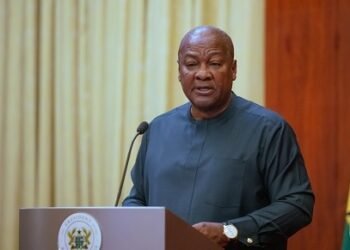
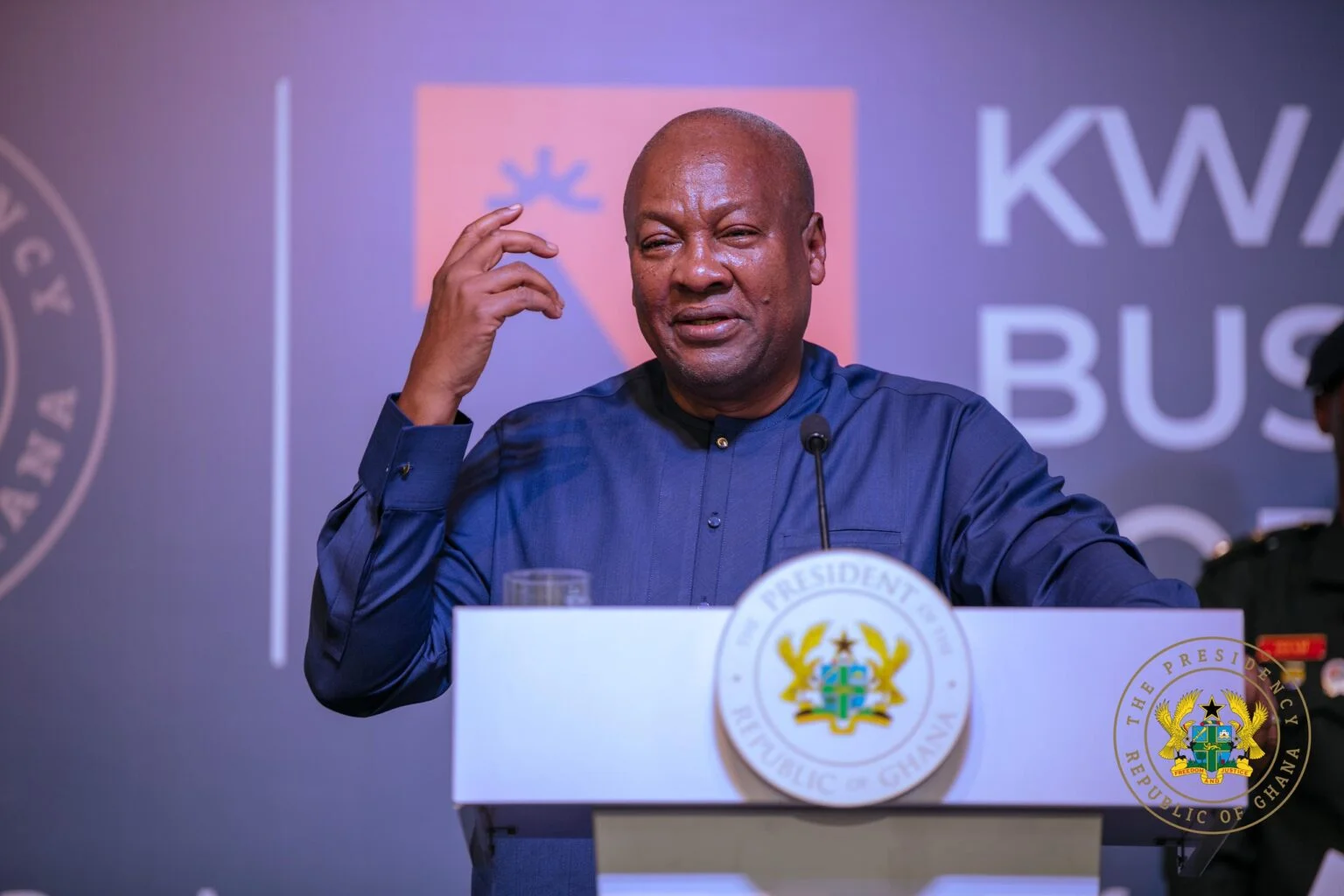
Speaking at the maiden Invest in Ghana Summit on Monday, November 16, 2026, President Mahama challenged entrepreneurs to explore new areas of production.
“We have enough pure water manufacturers. Let’s look at other things,” he said.
The President stressed the need for Ghana to process more of its agricultural produce and natural resources locally instead of exporting them in their raw state.
According to him, expanding local processing would create employment opportunities, increase demand for agricultural produce and ensure that more of the value generated from the country’s resources remained within the economy.
“Our producers have an opportunity to meet more of that demand than we currently do. Processing more of what we grow and extract creates jobs in factories and opens markets for farmers, transporters, and suppliers. We also retain more of the value generated by our resources here at home,” he stated.
President Mahama also encouraged Ghanaian businesses to look beyond the domestic market and position themselves to compete across the African continent.
He said he wanted to see more Ghanaian companies establish themselves in regional markets, expand their operations into other African countries and develop supply chains that could support their growth.
“I want more Ghanaian enterprises to reach that scale. I want to see Ghanaian firms supplying regional markets, establishing production elsewhere on the continent, and bringing their supplies with them as they grow,” he said.
He identified the African Continental Free Trade Area (AfCFTA) as a major opportunity for Ghanaian manufacturers to access a wider market and use the country as a production base to serve consumers across Africa.
The President, however, acknowledged that businesses needed an enabling environment to make the transition into more productive and competitive industries.
He identified infrastructure, reliable energy supply, access to financing and predictable regulatory arrangements as critical requirements for industrial expansion.
President Mahama further urged financial institutions to provide long-term financing to support businesses with the potential to grow and compete in international markets.
He said the government’s broader economic strategy was focused on strengthening production, processing, logistics and export development to transform the economy and create more opportunities for businesses and workers.