

























The Omanhene of the New Juaben Traditional Area in the Eastern Region, Daasebre Kwaku Boateng III, has pledged the support of traditional authorities towards the successful implementation of the Ghana Medical Trust Fund (GMTF).
He described the Fund as a timely intervention that could bring hope and financial relief to families struggling to afford specialised healthcare, particularly those affected by chronic and Non-Communicable Diseases.
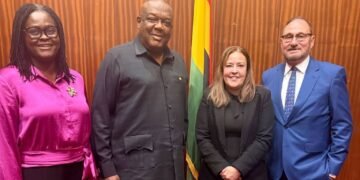
Daasebre Kwaku Boateng III gave the assurance when the Administrator of the GMTF, Adjoa Obuobia Darko-Opoku, paid a courtesy call on him during the Fund’s Eastern Regional sensitisation tour.
He welcomed the decision by the Fund’s management to engage traditional authorities, noting that chiefs and community leaders could play an important role in mobilising public support and educating residents about the initiative.
He also commended the healthcare intervention introduced by President John Dramani Mahama, expressing confidence that it would improve access to life-saving treatment and make a meaningful difference in the lives of Ghanaian families.
The Omanhene assured the Administrator of his commitment to mobilising traditional leaders to support the Fund’s objectives.
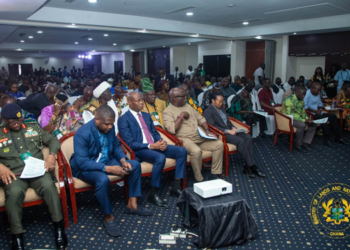
The Eastern Regional Minister, Rita Akosua Agyei Awatey, who was present at the meeting, praised the GMTF management for extending its public education campaign beyond Accra to engage communities across the country.
She observed that the initiative was already providing relief to families facing the financial burden of specialised medical treatment.
In her remarks, Ms Darko-Opoku explained that the establishment of the Fund followed a legislative process initiated by President Mahama, which culminated in the passage of the Ghana Medical Trust Fund Bill into law.
She said the Fund was created to provide financial assistance to people living with Non-Communicable diseases who face significant financial barriers to accessing specialised treatment.
The Administrator disclosed that the Fund had supported more than 800 patients within its first year of operations, demonstrating its commitment to ensuring that financial constraints did not prevent people from receiving critical healthcare.
She said management was intensifying public education and decentralising its operations to help more Ghanaians understand the Fund’s mandate, eligibility criteria and application procedures.
As part of efforts to improve access, patient navigators had been deployed to selected teaching and regional hospitals to guide patients through the application process and connect them to the specialised services they need.
Ms Darko-Opoku also briefed the Omanhene on the Fund’s ongoing infrastructure and healthcare interventions, including plans for the establishment of catheterisation laboratories to strengthen the diagnosis and treatment of cardiovascular diseases.
She said the regional sensitisation exercise was intended to deepen stakeholder engagement, encourage community participation and ensure that eligible beneficiaries across the country could access the Fund’s support.
The engagement with the New Juaben Traditional Council forms part of the GMTF’s broader efforts to secure the support of traditional institutions, regional authorities and other stakeholders in strengthening Ghana’s response to chronic and Non-Communicable Diseases.