










The National Tripartite Committee has built a review mechanism into Ghana’s new two-year minimum wage agreement, allowing government, employers and organised labour to reconsider the rates if significant changes occur in the economy.
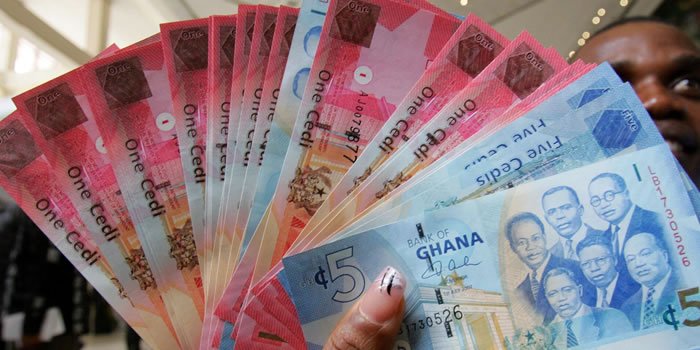
The provision forms part of the agreement concluded on November 10, 2026, which sets the national daily minimum wage at GH¢25.04 for 2027 and GH¢28.79 for 2028.
Under the arrangement, the committee may reconvene if there are material changes in key economic indicators, including inflation, exchange rates and economic growth.
The communiqué issued by the committee states, “Notwithstanding the multi-year agreement, the Tripartite Partners have agreed that where there are material changes in key economic indicators, including inflation, exchange rates, and economic growth, the Committee shall reconvene to review the agreed NDMW as circumstances may require.”
It further clarifies that any changes to the agreed rates must be based on consultations and consensus among the parties.
“Any adjustment shall be undertaken through tripartite consultations, guided by credible economic data and determined by consensus among the Parties,” the communiqué added.
The review provision is part of a multi-year negotiation framework adopted by the tripartite partners to provide predictability in wage determination, support medium-term planning and budgeting, protect workers’ incomes and sustain industrial harmony.
The agreement sets the daily minimum wage at GH¢25.04 from January 1, 2027, and GH¢28.79 from January 1, 2028.
Beyond the wage arrangement, the committee has urged employers to comply fully with the agreed rates and called on the government to make the national daily minimum wage tax-exempt.
It also commended the parties for their cooperation during negotiations and reaffirmed their commitment to improving workers’ living standards, promoting productivity, protecting employment and sustaining business competitiveness.
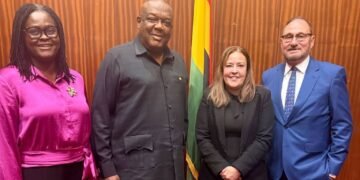
The National Tripartite Committee comprises representatives of government, the Ghana Employers’ Association and organised labour, represented by the Trades Union Congress.