























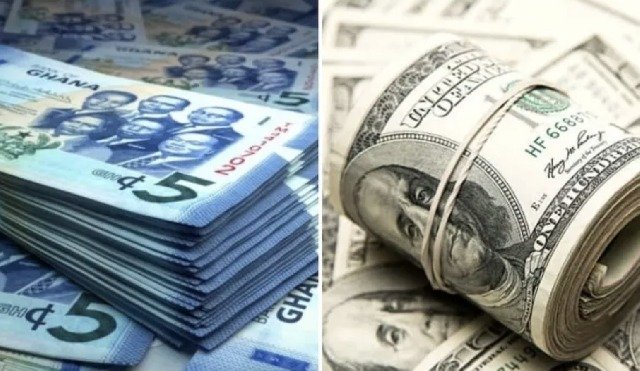
The Minority in Parliament has questioned the sustainability of the government’s foreign exchange interventions to support the cedi, pointing to a decline in Ghana’s international reserves despite significant dollar sales into the market.
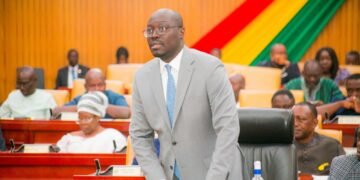
The Ranking Member on Parliament’s Finance Committee, Dr Mohammed Amin Adam, presented the Minority’s concerns during a media address on Tuesday, November 10, as part of its assessment of the economy ahead of the 2027 Budget.
He said market reports indicated that the Bank of Ghana sold approximately US$9.2 billion into the foreign exchange market between January and August 2026, including US$2.01 billion in June alone.
According to Dr Amin Adam, Ghana’s reserves declined from about US$14.5 billion in February to approximately US$11.1 billion in August, a development he said raised questions about the sustainability of the approach.
The Minority also questioned the growing role of small-scale gold purchases in generating foreign exchange. Dr Amin Adam cited GoldBod figures indicating that the agency recorded US$1.87 billion from small-scale gold trading in September.
He argued that the government must provide greater transparency about the sources of the gold being purchased and whether adequate traceability systems are in place. He also raised concerns about the potential relationship between the demand for small-scale gold and illegal mining, particularly its impact on the country’s water bodies.
The Caucus is demanding monthly disclosures of dollars sold into the forex market, the amount sourced from small-scale gold and a timetable for implementing full gold traceability.