






















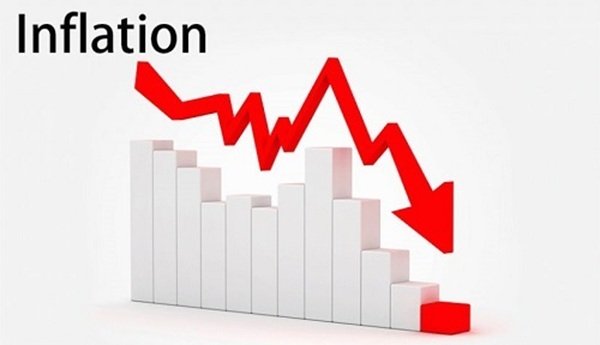
The Minority in Parliament has questioned the extent to which Ghana’s declining inflation rate has improved the financial circumstances of ordinary households, arguing that the headline figures do not adequately reflect the cost pressures facing consumers.
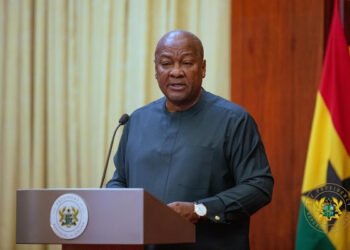
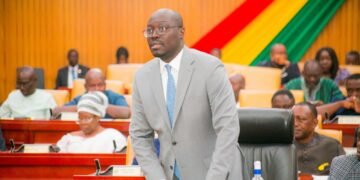
Ranking Member on Parliament’s Finance Committee, Dr Mohammed Amin Adam, raised the concerns when he addressed the media on behalf of the Minority on Tuesday, November 10, ahead of the presentation of the 2027 Budget.
He said economic performance should be measured by its impact on people’s purchasing power, real incomes and ability to afford essential services, rather than relying solely on improvements in national economic indicators.
To support its concerns, the Minority cited increases in electricity and water tariffs, petroleum prices and public transport fares. Dr Amin Adam referred to electricity tariff adjustments between April 2025 and July 2026, a 15.92 per cent increase in water tariffs in January 2026 and an 8 per cent increase in transport fares from September 26, 2026.
The Caucus also raised concerns about the government’s reduction of the cocoa producer price in February 2026, from GH¢3,625 to GH¢2,587 per bag, at a time when farmers were reportedly owed more than GH¢10 billion for cocoa already delivered.
Dr Amin Adam argued that the government must explain how improvements in headline inflation are translating into affordable food, transport, rent, utilities and other essential expenses.
The Minority is urging the Finance Minister to use the 2027 Budget to address the gap between the economic indicators being celebrated by government and the financial difficulties it says households continue to experience.