














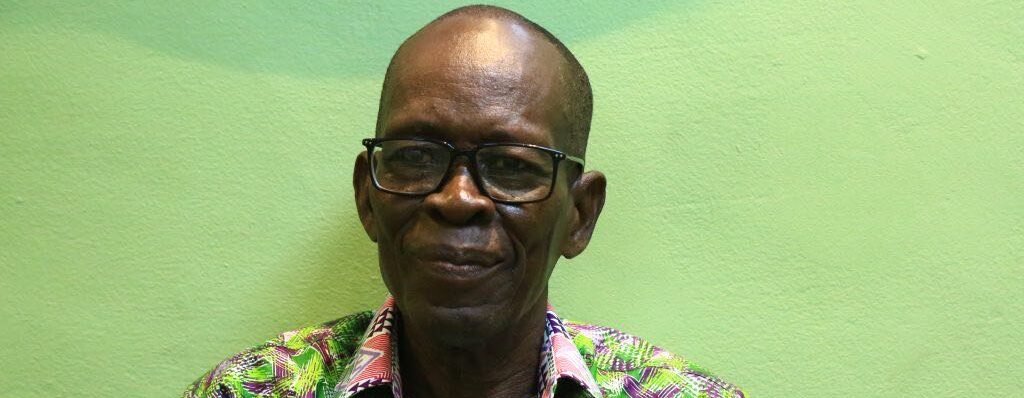
The Secretary-General of the Ghana Federation of Labour (GFL), Abraham Koomson, has called for a review of Ghana’s democratic system, warning that alleged vote buying could undermine national development by giving wealthy candidates an advantage over more competent individuals.
His comments follow reports by the media that some candidates contesting the National Democratic Congress (NDC) constituency elections in Suhum are allegedly distributing refrigerators, clothing, money and other items to influence delegates.
Speaking on Ahotor FM on Saturday, October 24, Mr Koomson described the reported practice as troubling, arguing that it could make financial resources more influential than competence in the selection of party leaders.
“Our democracy will create problems for us because listening and watching what is going on, it’s troubling.
That means no matter how brilliant or intelligent you are, if you don’t have money, forget, because you will not be voted for,” he said.
He expressed particular concern that the alleged attempts to influence voters were occurring during constituency-level party elections.
“Me, I am scared. This is just a constituency election. I can’t believe it. What is this, and where is this coming from?” he asked.
Although he commended the NDC for what he described as the effective organisation of its constituency elections, Mr Koomson said the reports raised serious questions about the influence of money in Ghana’s democratic process.
Mr Koomson argued that if electoral success increasingly depended on a candidate’s ability to spend money, individuals with the necessary skills and competence but limited financial resources could be disadvantaged.
He warned that such a trend could affect the quality of leadership emerging from elections and ultimately undermine Ghana’s development.
“It is very disturbing, and I blame the system. I feel that the democracy we are practising is not good for our development. I am telling you, it is not good for the development of this continent, especially Ghana, and Africa as a whole has a big problem,” he said.
He maintained that the concerns extended beyond Ghana, describing the influence of money in politics as a broader challenge for democratic governance and development across Africa.
To support his argument, Mr Koomson referred to political systems in Japan, China and the United States, suggesting that Ghana should reconsider aspects of its democratic arrangements to promote effective leadership and national development.
He also questioned the influence of wealth and political influence in the election of US President Donald Trump.
“If not because Trump has money and influence, how can Trump become the President of America? Because if you assess the candidates’ mental capacity and their actions, and you say everybody can vote, they can use their money to win while they are not mentally sound,” he said.
Mr Koomson further argued that the process of selecting leaders needed closer examination, warning that the influence of money and personal interests could have consequences for political stability.
“The system of selecting or picking leaders must be looked at again. Somebody like Trump wants to maintain his position, and if he uses his money and influence to win again, America might split, the states may break up, and we will not have the United States of America we have because of the mindset of the people that they elect to office,” he stated.
His comments reflect his concerns about the relationship between electoral systems, the influence of money and the quality of leadership produced through elections.