











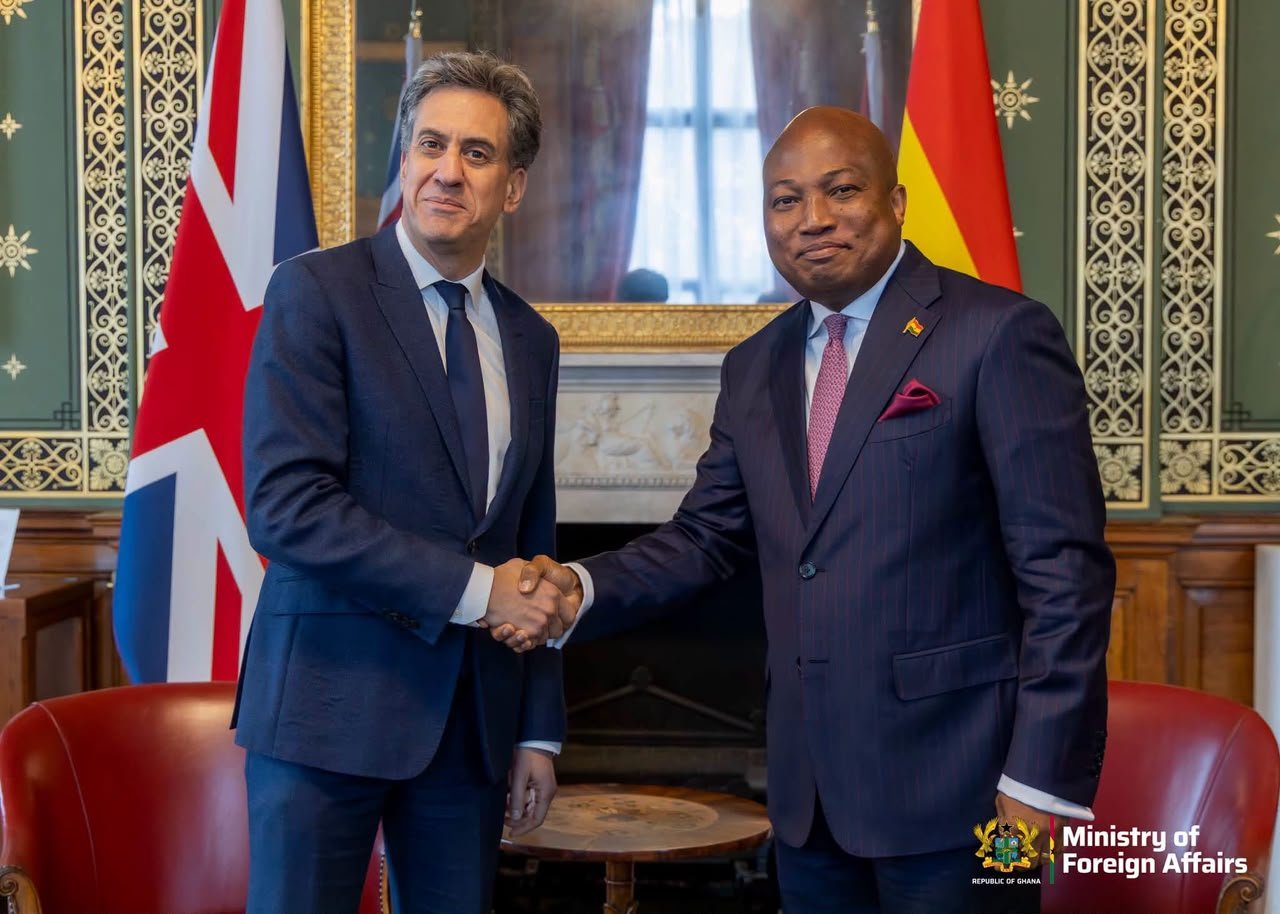
Ghana has made significant progress in negotiations with the United Kingdom to secure an exemption from International English Language Testing System (IELTS) examinations for Ghanaian students and professionals, Foreign Affairs Minister Samuel Okudzeto Ablakwa has announced.
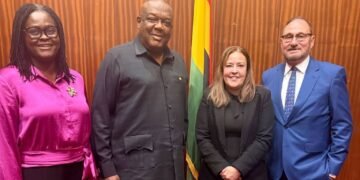
Ablakwa disclosed the development following a meeting with UK Foreign Secretary Edward Miliband, where the two officials discussed the proposed exemption alongside broader areas of cooperation between the two countries.
In a post following the meeting, the minister said Ghana had demonstrated that it met the minimum statistical threshold for English-language proficiency, placing the country in a favourable position for consideration by the UK.
“I am delighted to report that we have made significant progress in the negotiations I initiated for Ghanaians to be exempted from the International English Language Testing System (IELTS) examinations for students and professionals,” he stated.
He added that both countries remained optimistic about the outcome of the discussions.
“Thus far, we have demonstrated that Ghana meets the minimum statistical threshold in English proficiency for favourable consideration by our UK friends. Both sides remain highly optimistic.”
The proposed exemption could ease an important requirement for Ghanaians pursuing educational and professional opportunities in the UK, where English-language proficiency requirements may apply to university admissions, professional registration and immigration processes.
If approved, the exemption could reduce the financial and administrative burden associated with taking IELTS for eligible applicants. However, the announcement does not confirm that the UK has granted the exemption or specify when a final decision may be reached.
The negotiations form part of Mr Ablakwa’s efforts to secure recognition of Ghana’s English-language proficiency in the UK’s assessment requirements.
Beyond the IELTS negotiations, the meeting provided an opportunity for the two officials to review bilateral relations, including trade and investment.
Ablakwa welcomed the progress made in economic cooperation between the two countries.
“We welcomed the impressive upward trajectory in Ghana-UK trade and investments,” he said.
The discussions also covered President John Dramani Mahama’s vision for reparatory justice and prospects for broader dialogue following a Ghana-led United Nations resolution declaring the transatlantic enslavement of Africans the gravest crime against humanity.
The ministers further explored shared international priorities ahead of 2027, when Ghana is expected to chair the African Union while the UK assumes the G20 Presidency.
They also reviewed preparations for the Commonwealth Heads of Government Meeting (CHOGM), scheduled for November in Antigua and Barbuda.
Ablakwa thanked his British counterpart for hosting him and reiterated Ghana’s commitment to its longstanding relationship with the UK.
The proposed IELTS exemption remains under negotiation, with both sides expressing optimism about the prospect of a favourable outcome.