



















The Secretary-General of the Ghana Federation of Labour (GFL), Abraham Koomson, has called for credible evidence and a comprehensive forensic audit before conclusions are drawn over alleged financial losses involving the Ghana Gold Board (GoldBod).
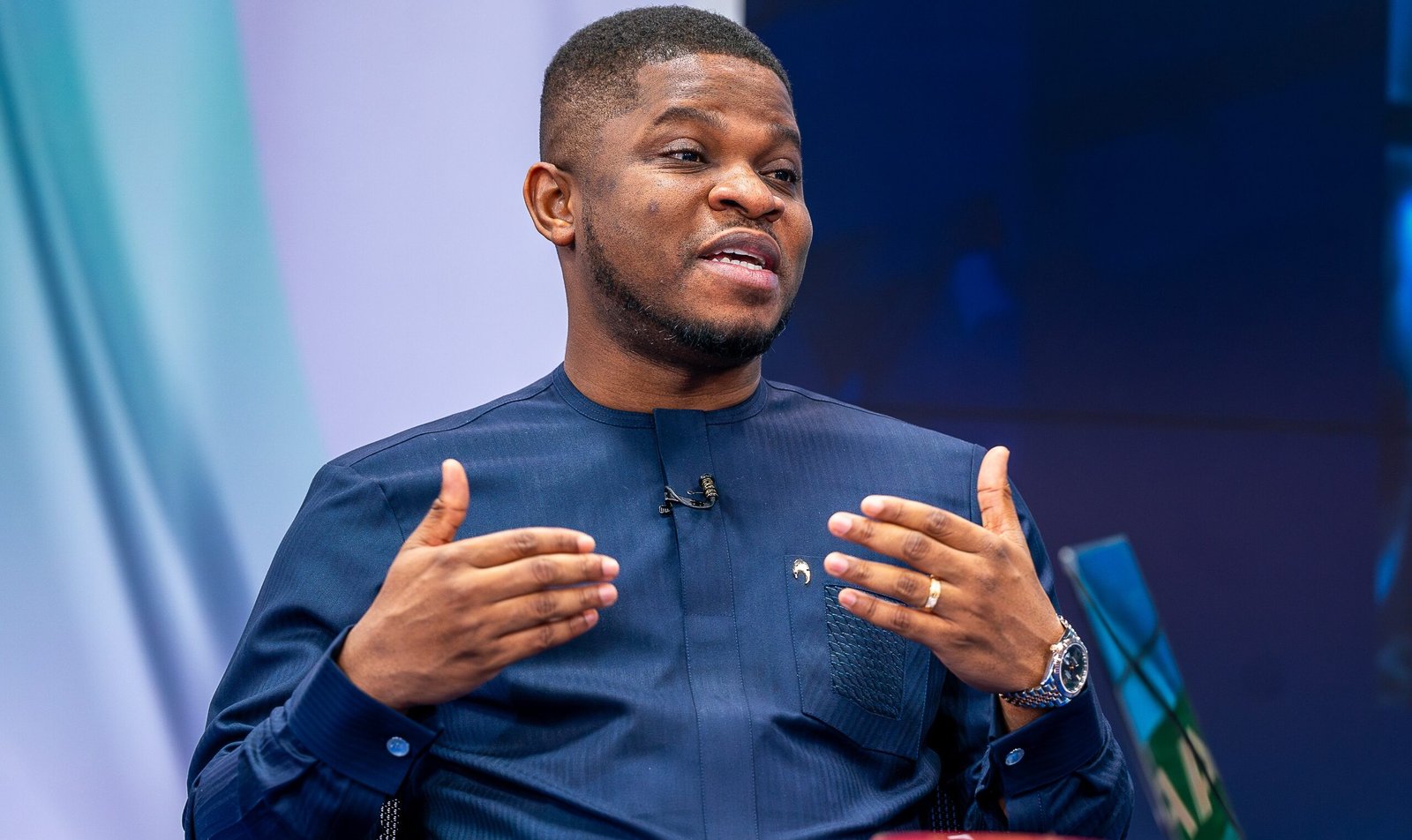
Mr Koomson, speaking on Ahotor FM, defended GoldBod Chief Executive Officer, Sammy Gyamfi, against criticisms over the management of Ghana’s gold sector.
He questioned claims of a GH¢1.7 billion loss allegedly associated with GoldBod, insisting that Ghanaians deserved a clear explanation of how the figure was calculated and what exactly it represented.
According to him, an international report alone should not be treated as conclusive evidence of financial wrongdoing without further examination by the relevant state institutions.
He said a comprehensive forensic audit was necessary to establish whether the reported amount represented an actual financial loss, mismanagement, an accounting issue or differences in valuation.
Mr Koomson therefore urged the appropriate state agencies to conduct a thorough investigation into GoldBod’s operations before any individual was blamed for alleged financial impropriety.
He, however, stressed that where credible evidence establishes wrongdoing, those found responsible must be held accountable.
The labour leader cautioned against condemning individuals based solely on allegations that had not been independently verified, emphasising the importance of due process and evidence-based accountability.
Mr Koomson also questioned what he described as the political dimension of the criticism against Mr Gyamfi and GoldBod.
He suggested that some of the attacks could be intended to undermine public confidence in the NDC government’s management of Ghana’s gold sector and affect its political fortunes.
While acknowledging the opposition’s responsibility to scrutinise government policies and institutions, he said such oversight should be grounded in facts, evidence and verifiable information rather than unsubstantiated political accusations.
Mr Koomson further raised concerns about Ghana’s debt situation, noting that financial obligations inherited by successive governments continue to put pressure on the national budget and constrain resources available for development.
He called for stronger national institutions, particularly in the areas of auditing, accountability and economic management.
According to him, Ghana must strengthen its own institutional systems and reduce excessive dependence on external institutions and loans to finance its development.
On political party organisation, Mr Koomson urged both the NDC and NPP to strengthen their internal structures and concentrate on developing and implementing policies capable of addressing the needs of Ghanaians.
He argued that political slogans alone could not sustain a party in power without effective policies, sound governance and tangible improvements in the lives of citizens.
Mr Koomson reiterated that the controversy surrounding GoldBod and Ghana’s gold sector should be resolved through transparency, accountability and credible evidence.
He maintained that any person found culpable after a proper and independent investigation should be held responsible for their actions.