









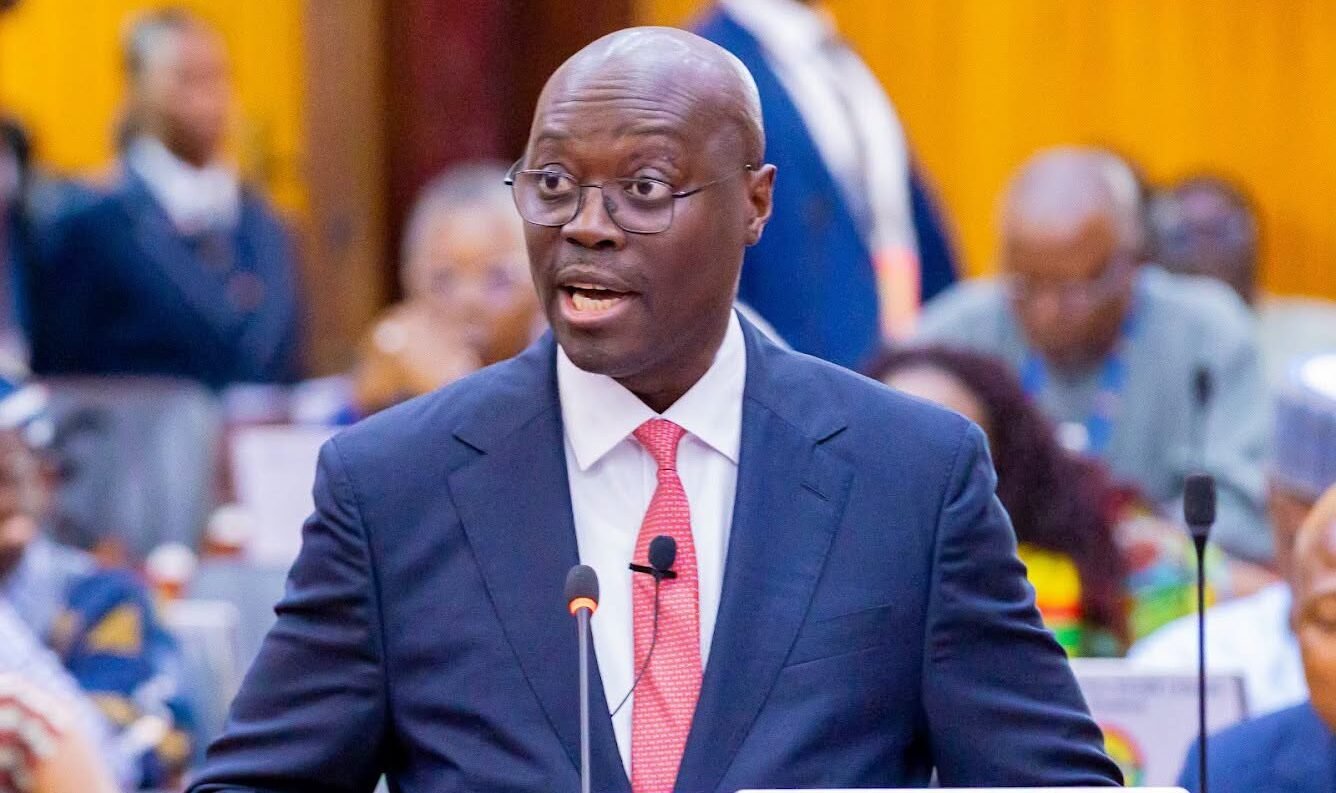
Finance Minister Dr. Cassiel Ato Forson has assured Ghanaians that the economy will never return to what he described as the “emergency room” under the current government, citing progress made in restoring economic stability.
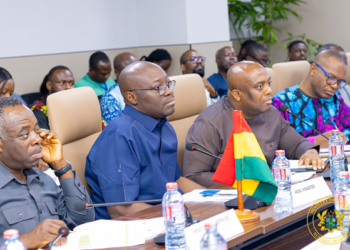
Speaking during the presentation of the 2026 Mid-Year Budget Review to Parliament on Thursday, July 23, Dr. Forson said the government had delivered on its commitment to move the economy from crisis towards recovery.
“Mr. Speaker, we promised to move this economy from the emergency room to the wellness centre. We have kept that promise. And I give this House my firm assurance: this economy will never return to the emergency room under our watch,” he said.
The Finance Minister, however, attributed the progress to the sacrifices made by Ghanaians rather than the government alone.
“Mr. Speaker, let me be clear, these achievements do not belong to Government. They belong to the people of Ghana,” he stated.
He singled out pensioners, businesses, workers and other citizens who endured the effects of the country’s economic difficulties and the measures introduced to restore stability.
“Behind every number in this statement is the sacrifice of an ordinary Ghanaian: the pensioner who accepted painful haircuts on a lifetime savings; the banks and businesses that absorbed extraordinary costs; millions of citizens who endured difficult adjustments so that their country could recover; and the market trader, the nurse, the teacher, the entrepreneur and the young graduate who lived through some of the hardest months in our recent history and never gave up on this country,” Dr Forson said.
He added that Ghana’s economic stabilisation was achieved through sacrifices across the country.
“Mr. Speaker, stabilisation was not won in this Chamber alone. It was won in homes, on farms, in workshops, in marketplaces, and through the patience and resilience of the Ghanaian people,” he said.
The comments come as the government seeks to consolidate Ghana’s recovery following years of severe economic difficulties that culminated in a domestic and external debt restructuring programme and financial support from the International Monetary Fund (IMF).
Ghana launched the Domestic Debt Exchange Programme in 2022 as part of efforts to restore debt sustainability, while an IMF-supported programme subsequently provided a framework for fiscal consolidation and broader economic reforms.
The government says its focus is now shifting from economic stabilisation to growth, job creation and economic transformation, with the 2026 Mid-Year Budget Review outlining measures intended to sustain the recovery.