
























The National Health Insurance Authority (NHIA) has extended training on the One-Time Attendance Code (OTAC) system to five additional districts in the Ahafo Region as part of the second phase of its pilot rollout under the National Health Insurance Scheme’s Electronic Health Facility Attendance Management System (NeHFAMS).
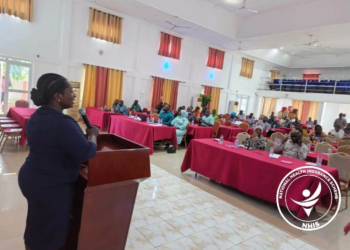
The two-day training programme targeted healthcare providers in the Asunafo South, Asutifi South, Asutifi North, Tano South and Tano North districts.
On the first day, held in Goaso on Monday, healthcare providers from Asunafo South, Asutifi South and Asutifi North were trained on the implementation and use of the OTAC system.
The second day of training took place in Duayaw Nkwanta on Tuesday for providers from Tano South and Tano North.
The sessions focused on sensitising health workers on the use of the OTAC platform, which is designed to strengthen patient authentication, improve claims management, and support the implementation of the Free Primary Healthcare programme.
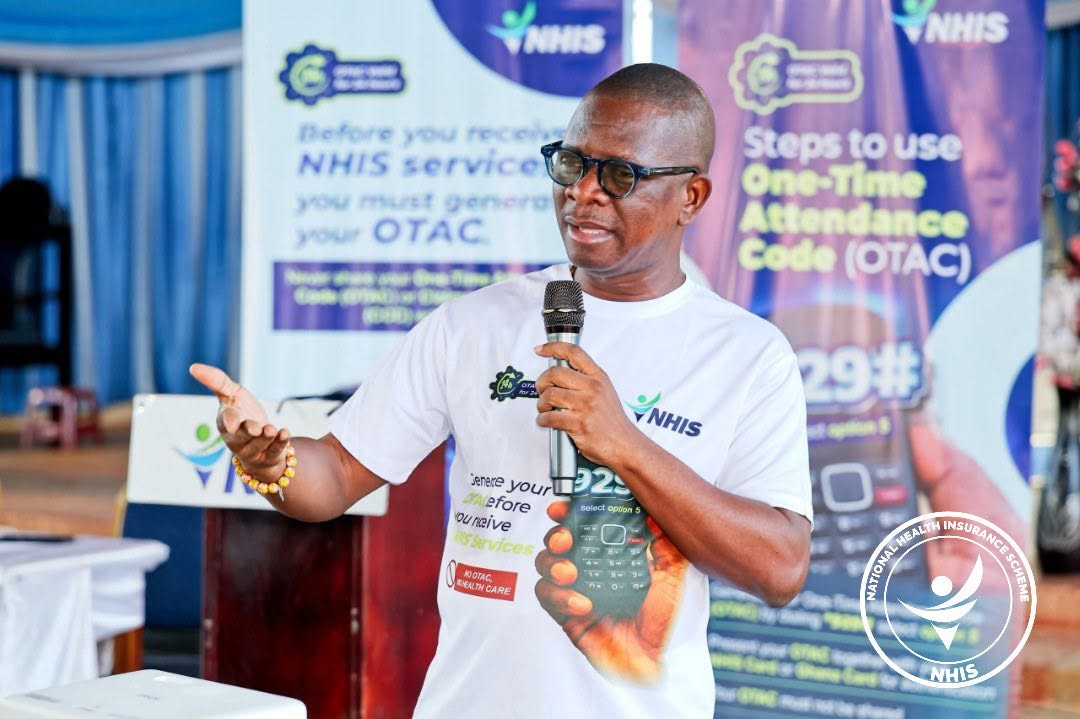
Addressing participants, the Acting Director of Management Information Systems (MIS) and Project Director, Mr. Joe Annor-Darkwah, explained that the initiative forms part of broader efforts by NHIA management to enhance efficiency in claims processing and support reforms in the health sector.
He disclosed that the Authority has proposed significant tariff adjustments, including increases of up to 100 percent, aimed at reducing illegal charges and co-payments within health facilities.
According to him, approval of the proposed tariff adjustments is tied to the NHIA’s ability to strengthen digital systems for claims verification and management.
Mr. Annor-Darkwah added that the OTAC pilot has already been successfully implemented in the Asunafo North District, where it has shown positive results in improving authentication and claims administration.
He urged healthcare providers in the Ahafo Region to support the rollout to ensure its successful adoption across all participating districts.
The Ahafo Regional Acting Director of the NHIA, Mr. George Mawuli, described the Authority as a key institution in Ghana’s pursuit of universal health coverage, stressing the importance of adopting technology-driven solutions to improve service delivery.
He noted that early results from the pilot phase have been encouraging and expressed confidence that the system would enhance claims processing efficiency and contribute to the sustainability of the National Health Insurance Scheme.
The Acting Director of Special Initiatives, Mr. Sam Buabasah, also emphasized the importance of preventive healthcare, urging health professionals to actively promote the Free Primary Healthcare agenda.
He expressed concern about the rising number of preventable deaths linked to late diagnosis of conditions such as hypertension and other Non-Communicable Diseases, stressing the need for early screening and intervention.
“We are all leaving this training as apostles of preventive healthcare,” he said, encouraging health workers to promote early detection and community education.
The Asutifi South District Director of the Ghana Health Service, Mr. Thomas Sovri, commended the NHIA for introducing innovative digital tools to strengthen healthcare delivery and pledged the commitment of health workers to support the initiative.
The Application Manager at the MIS Directorate, Mr. Enoch Afanyi, took participants through the operational procedures of the OTAC system, demonstrating how healthcare providers can authenticate patients and manage records under the new platform.