























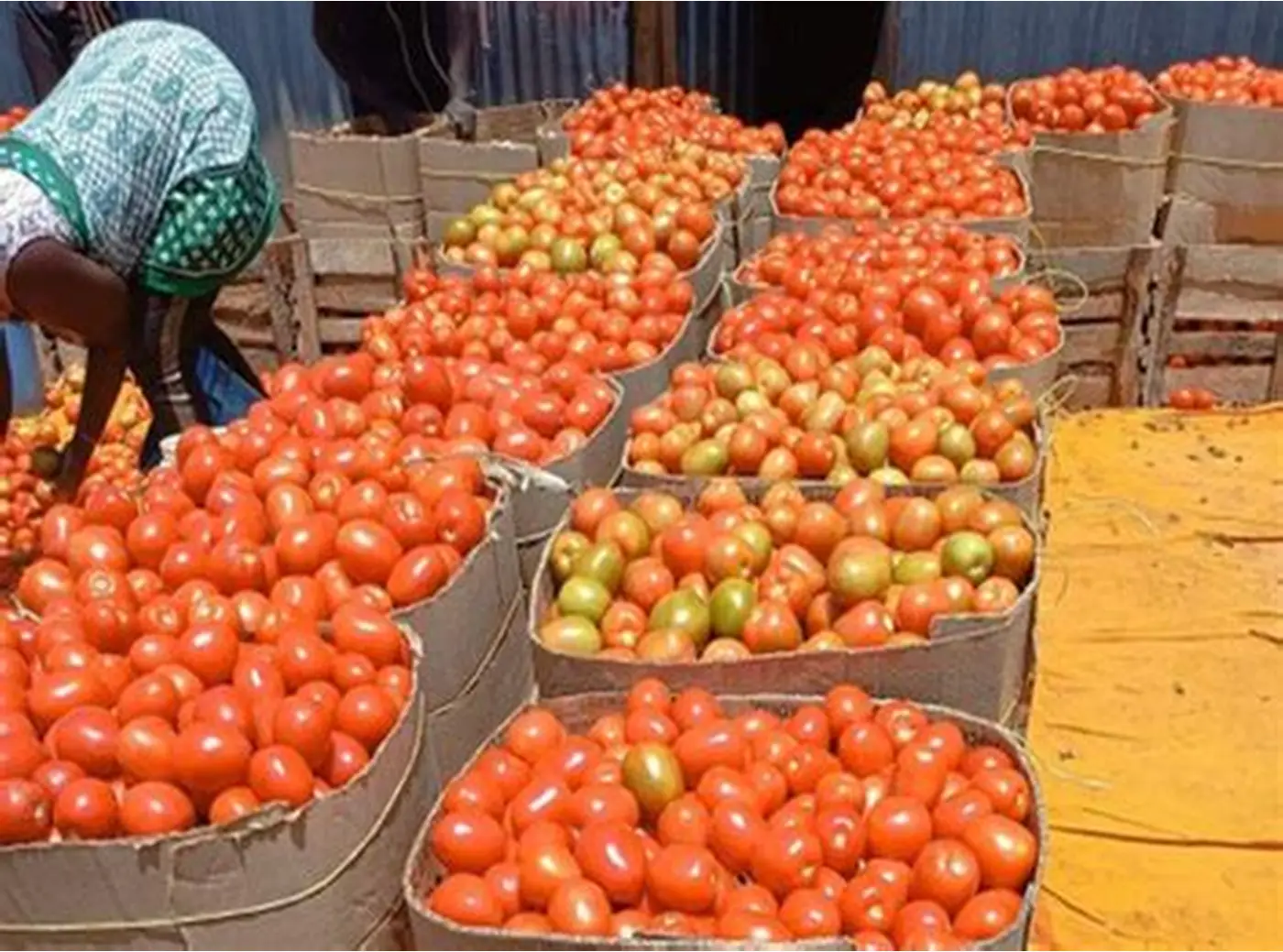
Burkina Faso has lifted its temporary ban on the export of fresh tomatoes, allowing traders to once again apply for Special Export Authorisations (ASE) following improved supply conditions for local processing industries.
The decision, announced in a joint communique by the Ministries of Industry, Trade and Craft, and Agriculture, Water, Animal Resources and Fisheries, comes after authorities earlier suspended export permits to ensure adequate supply for domestic processing plants.
The earlier restriction had also followed heightened cross-border tensions after reports of attacks on some Ghanaian tomato traders, with some fatalities recorded, prompting the Burkinabe government to tighten controls on tomato exports.
The situation raised concerns among traders and affected trade flows between Burkina Faso and Ghana, which rely heavily on cross-border tomato trade.
In the latest announcement, the government said conditions had improved enough to warrant the lifting of the suspension.
“Considering the satisfactory development of the supply situation of processing units, as well as the formal commitments signed by actors in the sector to guarantee the required quantities, the Government has decided to lift the suspension of the issuance of Special Export Authorisations (ASE) for fresh tomatoes,” the communique stated.
The communique further indicated that economic operators can now resume applications for export permits with immediate effect.
“Consequently, economic operators may submit their applications for Special Export Authorisations, effective from the date of signature of this communique,” it added.
The government, however, urged stakeholders to remain committed to supplying local processing units to maintain stability in the sector.
“The Government urges actors to strictly respect the commitments made to guarantee the priority supply of processing units,” the statement emphasized.
The decision is expected to ease trade restrictions and restore normal tomato export activities, particularly between Burkina Faso and neighboring countries such as Ghana, while maintaining a balance between local supply and export demand.