

























The Institute for Energy Security (IES) has defended the National Petroleum Authority’s (NPA) price floor policy, describing it as a vital safeguard for fair competition and long-term stability in Ghana’s deregulated petroleum market.
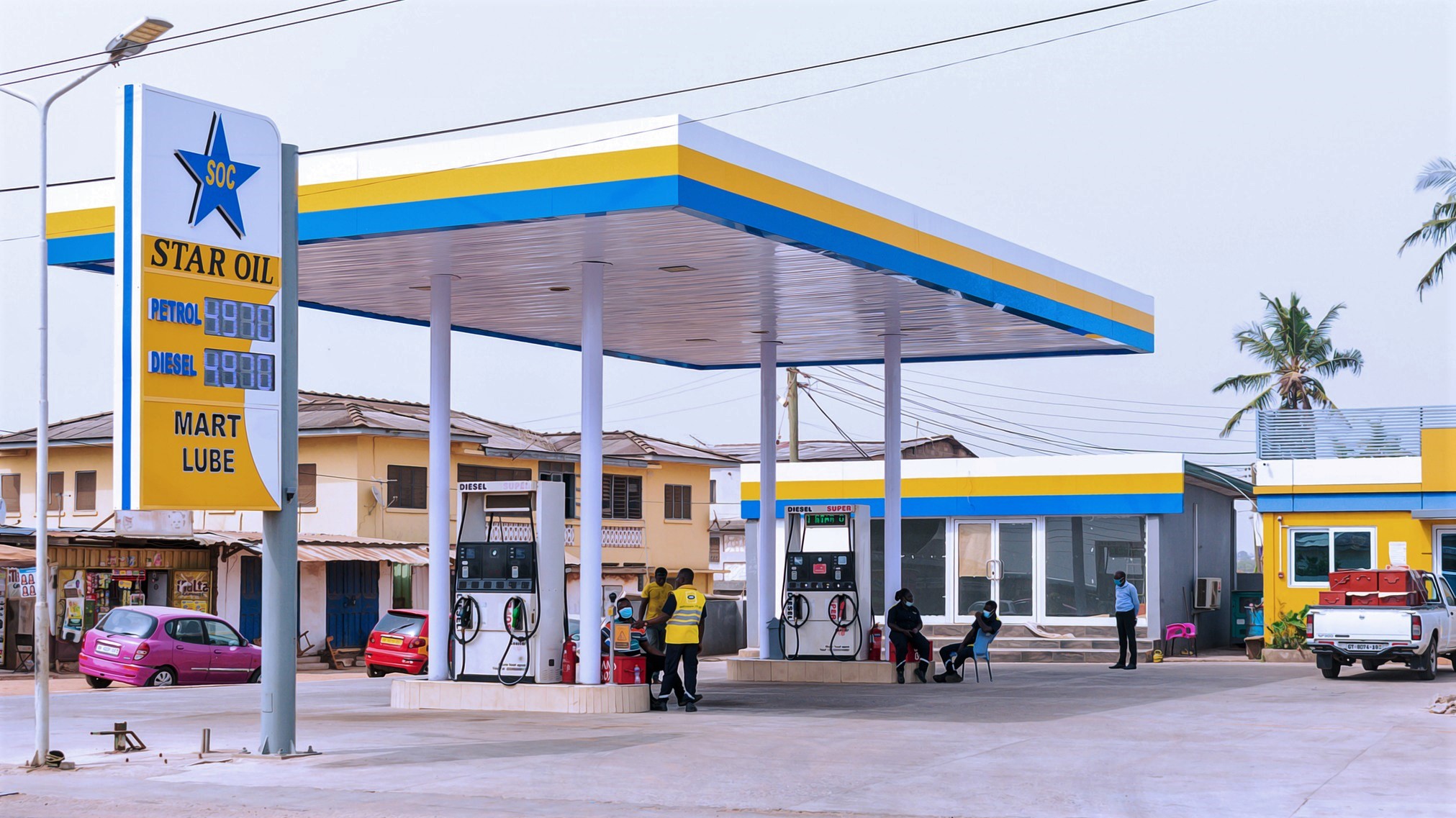
In a statement on Monday, January 19, 2026, the energy policy think tank responded to recent comments by the Chief Executive Officer of StarOil Ghana, who claimed the company could sell petrol at GHS 9.50 per litre during off-peak night hours if not for the price floor regime.
“The Institute for Energy Security (IES) has taken note of recent public statements by the Chief Executive Officer of StarOil Ghana, suggesting that the National Petroleum Authority’s (NPA) price floor regime prevents the company from offering petroleum products at significantly lower prices,” the statement said.
IES acknowledged that public debate on fuel pricing is healthy but cautioned against oversimplifying the issue.
According to the institute, the downstream petroleum sector is “capital-intensive, high-risk, and highly exposed to global price volatility and exchange rate fluctuations,” making regulatory safeguards necessary.
“The NPA price floor was introduced as a competition-stabilizing mechanism, not as a price-fixing tool,” IES stressed.
The institute outlined several reasons for maintaining the policy, including preventing predatory pricing, protecting smaller oil marketing companies (OMCs), ensuring supply continuity, and safeguarding long-term consumer welfare.
It warned that short-term price reductions could ultimately harm consumers if they lead to market concentration.
IES also raised concerns about the proposal for time-based fuel discounts, arguing that fuel retailing does not operate like digital services where costs fall at night.
“Fuel retailing is not a digital service where marginal costs disappear at night; storage, financing, distribution, and inventory risks remain constant,” it said.
The institute questioned whether selling below the regulatory floor would be economically sustainable, asking whether such pricing would be below cost, cross-subsidised, or capable of driving smaller competitors out of the market.
“These are precisely the market failures the price floor is designed to prevent,” IES stated.
It further pointed to pushback from industry players, including GOIL Ghana, whose Group CEO reportedly argued that some companies calling for lower prices struggle to compete even at the approved floor price of GHS 9.80 per litre.
IES has formally called on the NPA to probe StarOil’s claims. It urged the regulator to “investigate StarOil’s pricing claims and cost structures,” examine possible predatory pricing, assess compliance with existing regulations, and “reaffirm the principles underpinning the price floor regime in the interest of market stability.”