


























Cashew traders, exporters and farmer-led Associations in Techiman in the Bono East Region have petitioned the government to withdraw a proposed three-month restriction on raw cashew nut exports, warning that the measure could negatively affect farmers, traders and other stakeholders in the industry.
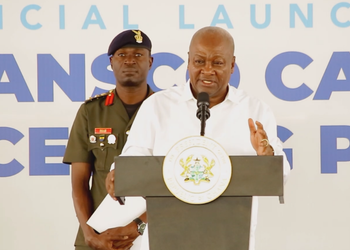
In a joint petition dated November 17, 2026, and addressed to President John Dramani Mahama, the Techiman North and South Cashew Traders and Exporters Association said the proposed restriction, announced alongside the opening of the NADKANSCO processing factory in Techiman on November 16, had raised concerns among industry players.
The petitioners said they supported the government’s commitment to promoting local cashew processing, industrialisation, job creation and value addition.
However, they argued that implementing the restriction without adequate consultation and safeguards could disrupt existing investments, contractual obligations and the livelihoods of thousands of people in the cashew value chain.
The Association said it represented more than 1,200 registered members, while its combined representation with traders and aggregators from Nkoranza North and South, Kintampo North and South, and farmer-led Associations across cashew-producing communities covered approximately 3,500 traders and aggregators.
Among their concerns, the petitioners said the proposed restriction could reduce competition among buyers, potentially weakening farmers’ bargaining power and farmgate prices.
They also warned of possible financial losses and disruption to existing investments, bank facilities and international supply contracts.
The petitioners further argued that domestic processing capacity might be insufficient to absorb Ghana’s raw cashew production, while the proposed export levy could impose additional financial burdens on traders and exporters.
The groups have asked the government to withdraw the proposed blanket three-month export restriction pending comprehensive stakeholder consultation and an assessment of its economic implications.
They also called for an urgent meeting involving farmers, traders, buying agents, aggregators, exporters, processors and relevant regulatory authorities.
While supporting the introduction of a fair and reasonable export levy or tax on raw cashew exports, the petitioners said its structure and implementation should be agreed through stakeholder consultation.
They believe such a measure could contribute to price stabilisation, protect farmers’ incomes and promote a more sustainable cashew industry.
The petition also urged government to protect existing stocks, commercial contracts, bank facilities and legitimate investments, as well as provide adequate financing and incentives for local processors to compete fairly for raw cashew nuts.
Additionally, the groups called for formal representation of recognised farmer, trader and exporter Associations in future cashew industry policy decisions.
The petitioners stressed that their position was not against local processing or industrialisation, but that Ghana should expand domestic processing while maintaining a competitive and sustainable raw cashew trading and export industry.
They therefore requested an urgent audience with the President or his designated representatives to present their concerns and propose alternatives that protect all stakeholders in the sector.