























The Social Security and National Insurance Trust (SSNIT) has approved a 10 per cent pension indexation for 2026, significantly boosting payments for low-income pensioners while maintaining the long-term sustainability of the Scheme.
The decision, taken in consultation with the National Pensions Regulatory Authority (NPRA) and in line with Section 80 of the National Pensions Act, 2008 (Act 766), places strong emphasis on protecting the purchasing power of pensioners, particularly those at the lower end of the pension scale.
Under the 2026 adjustments, the minimum monthly pension for new pensioners will rise from GH¢300 to GH¢400. Existing pensioners currently receiving the minimum GH¢300 will see their monthly payment increase to GH¢409.56, representing an effective rise of 36.52 per cent—well above the headline indexation rate.
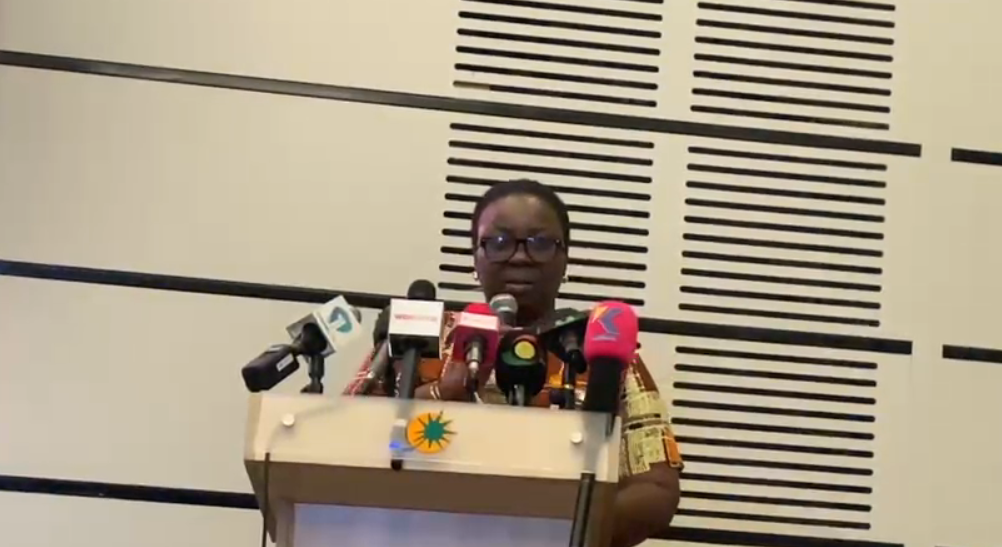
Addressing the media on Thursday, January 8, SSNIT’s Chief Actuary, Evelyn Adjei, explained that indexation is a statutory annual process aimed at safeguarding pensioners against inflation.
“Indexation is just a technique or a method that we use to increase pensions and payments of our pensioners… in order to preserve their purchasing power,” she said.
She noted that although the overall indexation rate is 10 per cent, the increase is not applied uniformly. Instead, SSNIT adopted a redistribution approach grounded in the solidarity principle of social security.
“We want to make sure that those on the lower pension bracket are receiving more and their pensions are going faster than those receiving the high pension,” she explained.
As part of this approach, all pensioners will receive a flat 6 per cent increase, plus an additional GH¢91.56 drawn from the remaining 4 per cent, resulting in higher effective increases for low-income earners and lower effective rates for high-income pensioners.
For example, pensioners receiving GH¢500 will now earn GH¢621.56, an effective increase of 24.31 per cent, while those on the average pension of about GH¢2,018 will receive roughly GH¢2,220, reflecting the full 10 per cent adjustment.
At the top end, the highest-earning pensioner will see monthly payments rise from GH¢201,792.37 to GH¢213,991.47—an effective increase of 6.05 per cent.
Mrs. Adjei said inflation trends, wage growth among contributors, and the financial health of the Fund were all key considerations. “We have to make sure whatever we do is not going to hurt the fund so much,” she said, stressing the need to keep the Scheme sustainable “for generations.”
She disclosed that SSNIT is projected to spend about GH¢6.3 billion on pensions in 2026 without indexation, but the 10 per cent adjustment will add approximately GH¢616 million to pension payments.
According to SSNIT, about 70 per cent of pensioners will receive effective increases of 10 per cent or more under the new structure. Monthly pensions will continue to be paid on the third Thursday of every month.