


























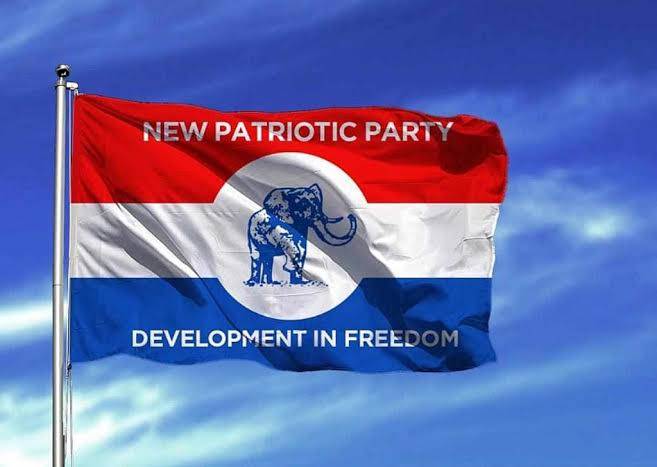
The New Patriotic Party (NPP) has approved a major restructuring of its national leadership, increasing the number of National Vice Chairpersons from three to six.
The move follows the election of the party’s three National Vice Chairpersons at the October 3 conference, where Kojo Fosu Boadu was elected First Vice Chairperson, Henry Nana Boakye Second Vice Chairperson, and Nana Akomea Third Vice Chairperson.
Under the revised constitution, the party will have three elected and three appointed National Vice Chairpersons. The appointed vice chairpersons, however, will not be eligible to succeed the National Chairman.
According to the amendment, the expansion is designed to “ease the workload of the National Chairman” while improving regional mobilisation and promoting “geographical, ethnic, religious and gender balance” in the party’s leadership.
The party has also changed the voting arrangement for the three elected positions.
The First, Second and Third National Vice Chairperson positions will now be independent elective offices, with each contested separately at the National Delegates Conference.
Candidates must indicate the particular office they intend to contest during the nomination process.
The changes were approved alongside 13 other constitutional amendments at the NPP’s National Delegates Conference in Kumasi.
The wider reforms are intended to strengthen the party’s internal structures, leadership, administration and electoral preparedness. The proposals were presented by the Constitutional Amendments Committee and subsequently adopted through voice votes.
The reforms also restore the President, when the NPP is in government, to the National Steering Committee.
The party says this will “facilitate coordination between the party and government and enable timely consultation on political and governance matters.”
In addition, the amendments give the NPP’s Women’s Wing a formal responsibility to promote women’s participation in politics in line with the Affirmative Action (Gender Equity) Act, 2024 (Act 1121).
The Women’s Wing will be expected to “promote, monitor and support increased participation of women in the party and political leadership.”
The reforms therefore cover several areas of the party’s organisation, including national leadership, campaign management, executive committees, administration and political participation.