

























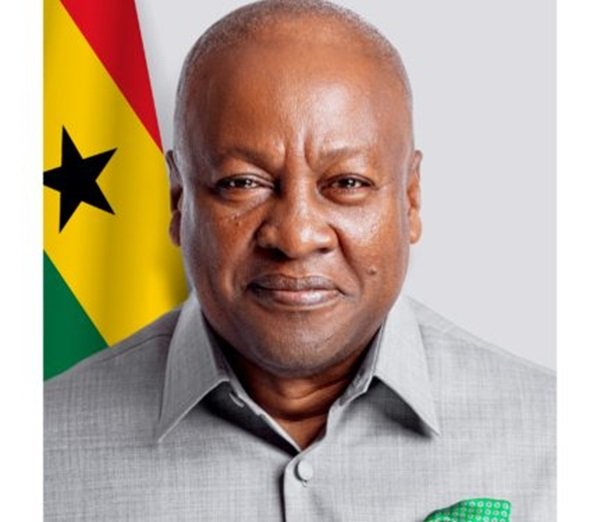
President John Dramani Mahama has ordered a nationwide assessment of all 261 Metropolitan, Municipal and District Chief Executives (MMDCEs), with the findings expected to determine the next steps regarding their performance in office.
The Ministry of Local Government, Chieftaincy and Religious Affairs will coordinate the exercise, which will examine the achievements of the appointees and how residents perceive their work since they assumed office.
The assessment is expected to end on December 15, 2026, while a comprehensive report will be submitted to the President by December 20 for consideration and action.
Minister for Local Government, Chieftaincy and Religious Affairs, Mahama Ayariga, said the exercise would rely on independent assessments, field inspections and feedback from citizens rather than solely on reports submitted by the MMDCEs.
Six key performance indicators will guide the evaluation. Development, local economic growth, service delivery and poverty reduction will carry the highest weighting of 35 per cent, followed by revenue mobilisation and financial management at 20 per cent.
Peace, security and chieftaincy relations will account for 15 per cent, as will governance and accountability. Citizen engagement and inclusiveness will carry 10 per cent, while implementation of presidential directives and national programmes will make up the remaining five per cent.
The assessment will examine the state of roads, drainage systems, sanitation, markets, lorry parks, schools and CHPS compounds in the various districts. It will also consider job creation, the promotion of local economic activities and the implementation of social intervention programmes.
On financial management, the ministry will assess the assemblies’ internally generated funds and whether they submit their District Assemblies Common Fund accounts on time.
Governance issues will include the frequency of General Assembly meetings, the performance of sub-committees and area councils, and compliance with procurement and public financial management laws.
The MMDCEs will also be assessed on their engagement with traditional and religious leaders, efforts to resolve chieftaincy and land disputes, and the management of District Security Council meetings.
Their responsiveness to public complaints, organisation of town hall meetings and engagement with women, young people and persons with disabilities will also form part of the review.
Under the assessment arrangements, each MMDCE must submit a performance report, together with supporting evidence, through a dedicated online portal by November 30, 2026.
Field teams will visit all 261 districts from December 1 to 15 to verify the submissions. The visits will involve inspections of projects, infrastructure and financial records, as well as engagements with Assembly Members, traditional leaders and ordinary residents.
Citizens will separately be invited to rate their MMDCEs through a dedicated online platform. The ministry may also obtain confidential assessments from intelligence agencies, Presiding Members and District Coordinating Directors.
The evaluation team will be led by the ministry and the Regional Coordinating Councils, with representatives from the Office of the Head of Local Government Service, the District Assemblies Common Fund office and the National Development Planning Commission.
The minister may also nominate two other individuals from the relevant region or district to participate.
The exercise forms part of President Mahama’s assessment of local-level administration, with the final report expected to provide an evidence-based picture of the performance of all MMDCEs.