



















Government has allocated GH¢245 million to the Nkoko Nkitinkiti initiative in the 2027 Budget as part of efforts to strengthen domestic poultry production and reduce Ghana’s dependence on imported chicken.
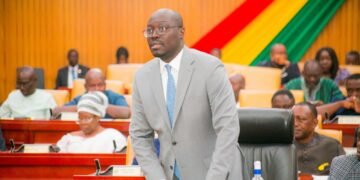
Finance Minister Dr Cassiel Ato Forson announced the allocation during the presentation of the 2027 Budget to Parliament on Thursday, November 12. The amount forms part of the GH¢2.9 billion allocated to the Ministry of Food and Agriculture.
The funding will support the Poultry Farm-to-Table project, which is designed to develop Ghana’s poultry industry across the entire production chain, including breeder farms, hatcheries, day-old chicks, animal feed, vaccines, veterinary laboratories, poultry houses, processing facilities and cold storage.
Under the initiative, large-scale anchor farms will work with small and medium-sized poultry producers and organised outgrowers to increase production.
The programme will also establish supply agreements with institutional buyers, retailers and businesses in the hospitality industry to create reliable markets for locally produced chicken.
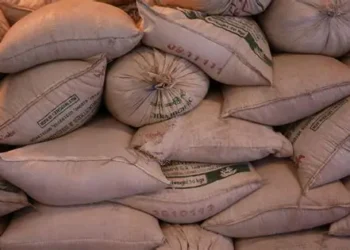
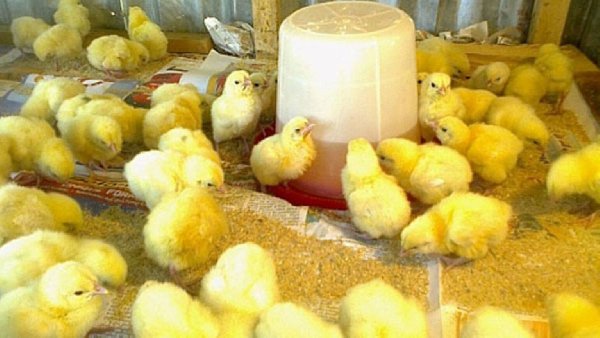
Figures contained in the 2027 Budget indicate that 2,144,303 day-old chicks and 100,521 bags of feed have been distributed to approximately 43,800 households.
In northern Ghana, 651 farmers have received 32,532 birds under a food security intervention, representing about 22 per cent of the targeted 150,000 birds.
Government has also procured 3.7 million day-old chicks, alongside feed and vaccines, for anchor poultry farms. Meanwhile, a poultry and meat processing facility at Bechem in the Ahafo Region is 60 per cent complete.
The intervention comes against the backdrop of Ghana’s relatively low domestic poultry production.
Deputy Minister for Food and Agriculture John Dumelo previously disclosed that the country produces only a small proportion of its poultry consumption needs.
“We know our consumption patterns, and currently we only produce about five to six percent of what we consume when it comes to poultry products,” he said.
He explained that the initiative was introduced to improve local supply, adding that “Once the programme fully takes off, poultry imports will reduce drastically.”
Another major component of the programme is addressing the high cost of poultry feed, which accounts for between 60 and 70 per cent of production expenses.
To tackle this challenge, government plans to establish commercial maize and soybean production clusters to link farmers directly with feed mills through structured supply agreements.
From 2027, Ghana Exim Bank will take over the financing of commercial poultry and feed production for four years, ending in 2030.
The bank is expected to dedicate at least 40 per cent of revenue from the Ghana Export-Import Bank Levy to the poultry sector after government uncaps the levies earmarked for the institution.
The National Coordinator of the Feed Ghana Programme, Bright Demordzi, has also reiterated government’s commitment to expanding local production and strengthening the poultry value chain.
“We remain committed to sustaining the momentum, increasing local production, and working closely with all stakeholders to build a resilient, competitive, and self-reliant poultry industry for Ghana,” he said.
President John Dramani Mahama has previously described Nkoko Nkitinkiti as “a national movement to restore food sufficiency”, highlighting its importance to the country’s broader agricultural transformation agenda.
Despite the GH¢245 million allocation, the 2027 Budget does not provide a specific production target for the number of birds or households expected to benefit from the programme.
It also does not indicate a completion date for the Bechem processing facility or specify the actual amount Ghana Exim Bank will commit from its levy revenue.
The allocation is the same amount provided for the poultry project in the previous year’s budget, with government expected to continue its efforts to build a stronger domestic poultry industry.