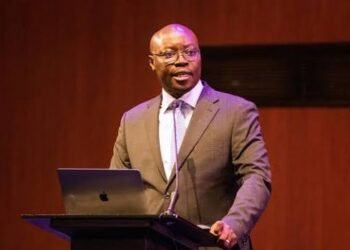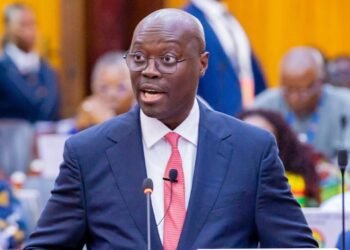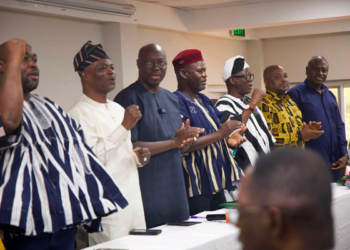


























The Minority Caucus in Parliament has accused the government of introducing new taxes despite assurances by Finance Minister Dr. Cassiel Ato Forson that the 2026 Mid-Year Budget Review contains no additional tax measures.
Addressing a press conference in Parliament, the Minority spokesperson on the economy and Member of Parliament for Ofoase-Ayirebi, Kojo Oppong Nkrumah, argued that several policy measures announced by the government effectively amount to new taxes that will increase the financial burden on businesses and consumers.
He cited the extension of the Growth and Sustainability Levy, the continuation of the Special Import Levy, the introduction of VAT on non-life insurance premiums, petroleum-related levies, and the withdrawal of tax exemptions on bunkering and marine gas oil as examples of measures that would impose additional costs on the economy.
According to Mr. Oppong Nkrumah, the Finance Minister’s assertion that no new taxes had been introduced was inconsistent with the measures outlined in the budget review.
He also criticised the Mid-Year Budget Review for failing to provide detailed updates on government revenue and expenditure performance against approved targets, accusing the government of relying on public relations rather than presenting a transparent account of the country’s fiscal position.
Former Deputy Finance Minister and Member of Parliament for Atiwa West, Abena Osei Asare, also questioned the government’s commitment to fiscal discipline.
She alleged that the Ghana Revenue Authority exceeded its approved 2025 budget by about GHS100 million, arguing that government agencies must comply with Parliament-approved spending limits if the administration is to maintain credibility on prudent financial management.
Ms. Osei Asare further questioned how the government intends to finance new projects announced in the Mid-Year Budget Review without first seeking parliamentary approval through a supplementary budget.
The Minority has therefore called on the government to provide greater clarity on its fiscal strategy and ensure that all new expenditure proposals comply with the country’s public financial management laws